Emergency Underwater Repair: What Asset Owners Need to Know Before It Happens
What Counts as an Emergency Underwater Repair?
Emergency underwater repair covers any unplanned underwater failure that threatens continued operation, safety, or compliance if left unaddressed. This includes structural damage from vessel impact, sudden leaks at submerged joints and seals, blocked intakes or screens at a treatment plant or power facility, storm or flood damage to quay walls and piles, and mechanical failure of underwater valves or gates. What separates these from routine maintenance is timing. There is no scheduled inspection window to work within, and the first priority is establishing exactly what has failed before any repair plan can be made.
Why Response Time Determines the Outcome
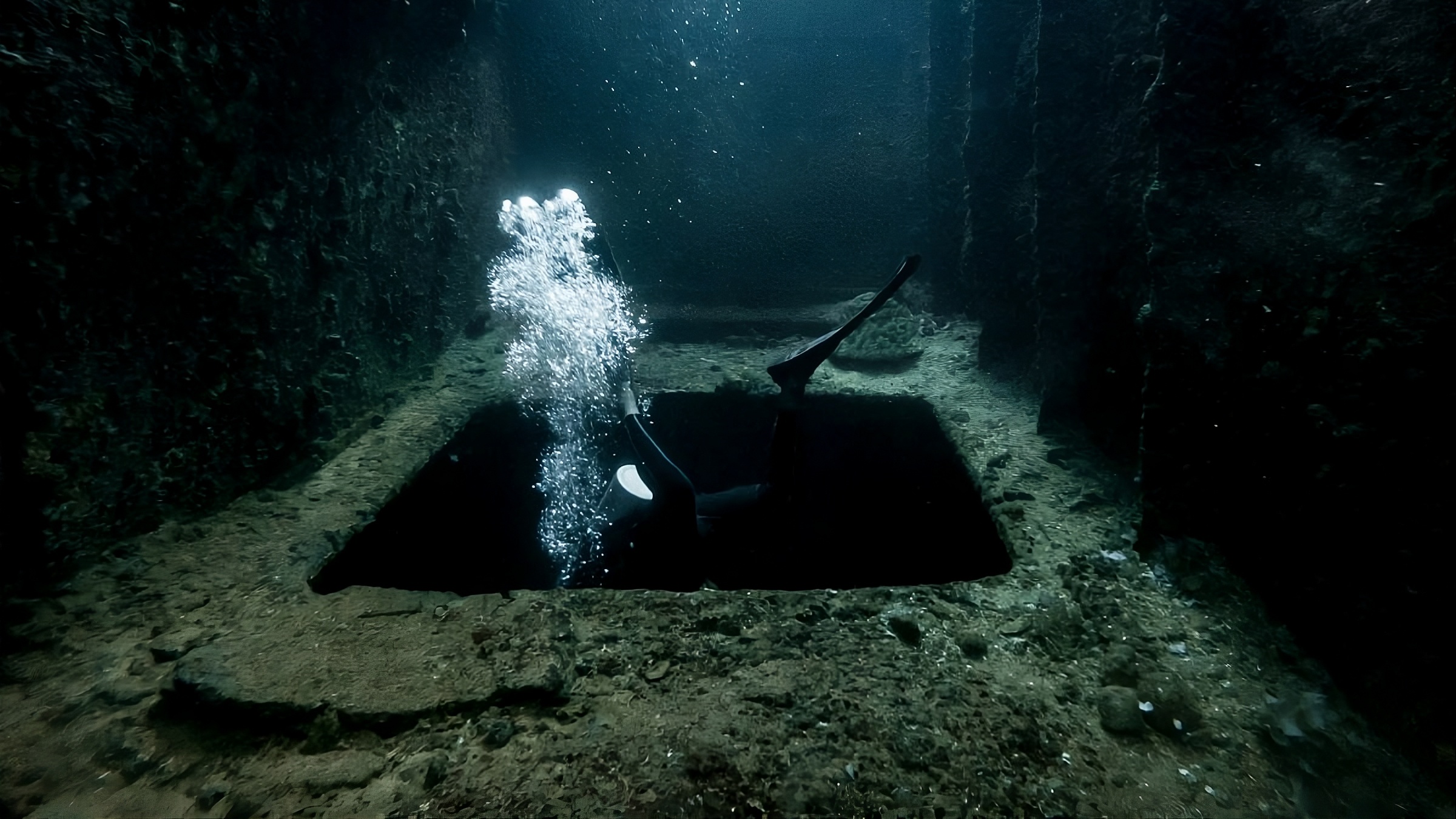
What a 24/7 Emergency Dive Team Actually Does
Industry Applications: Where TUF International Provides Emergency Response
TUF International provides ROV and diver-led inspection across a wide range of underwater infrastructure, drawing on 154+ countries of combined project experience:
- Facilities running continuous processes turn to our industrial and energy sector diving services, when an intake, tank, or process asset fails without warning.
- Civil infrastructure operators rely on our civil engineering and infrastructure diving services for urgent bridge, tunnel, and lock repairs.
- Sites handling hazardous or corrosive media depend on our chemical facility diving services for rapid containment assessment and repair.
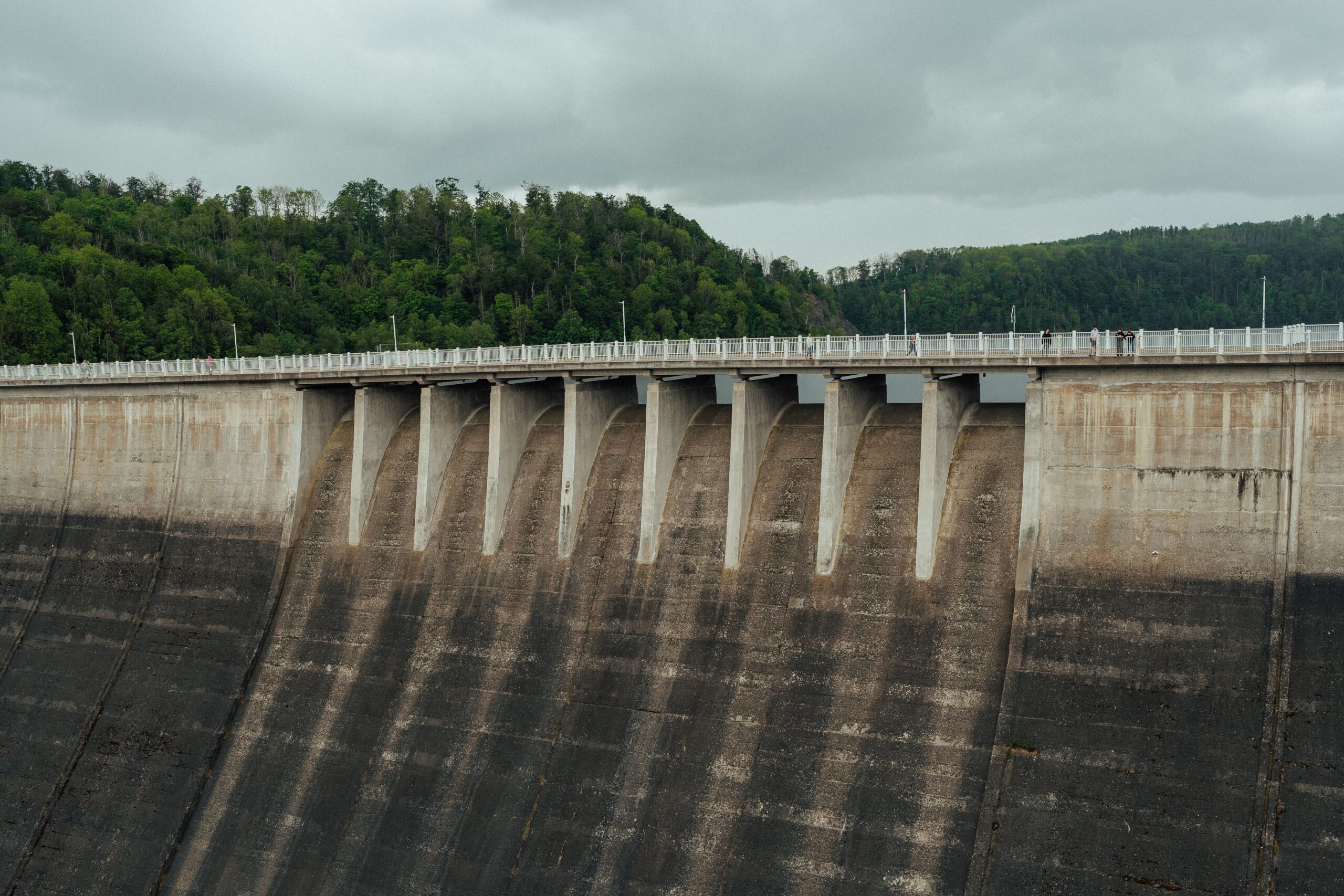
- Municipal utilities call on our water and wastewater utility diving services when a treatment plant or reservoir asset fails.
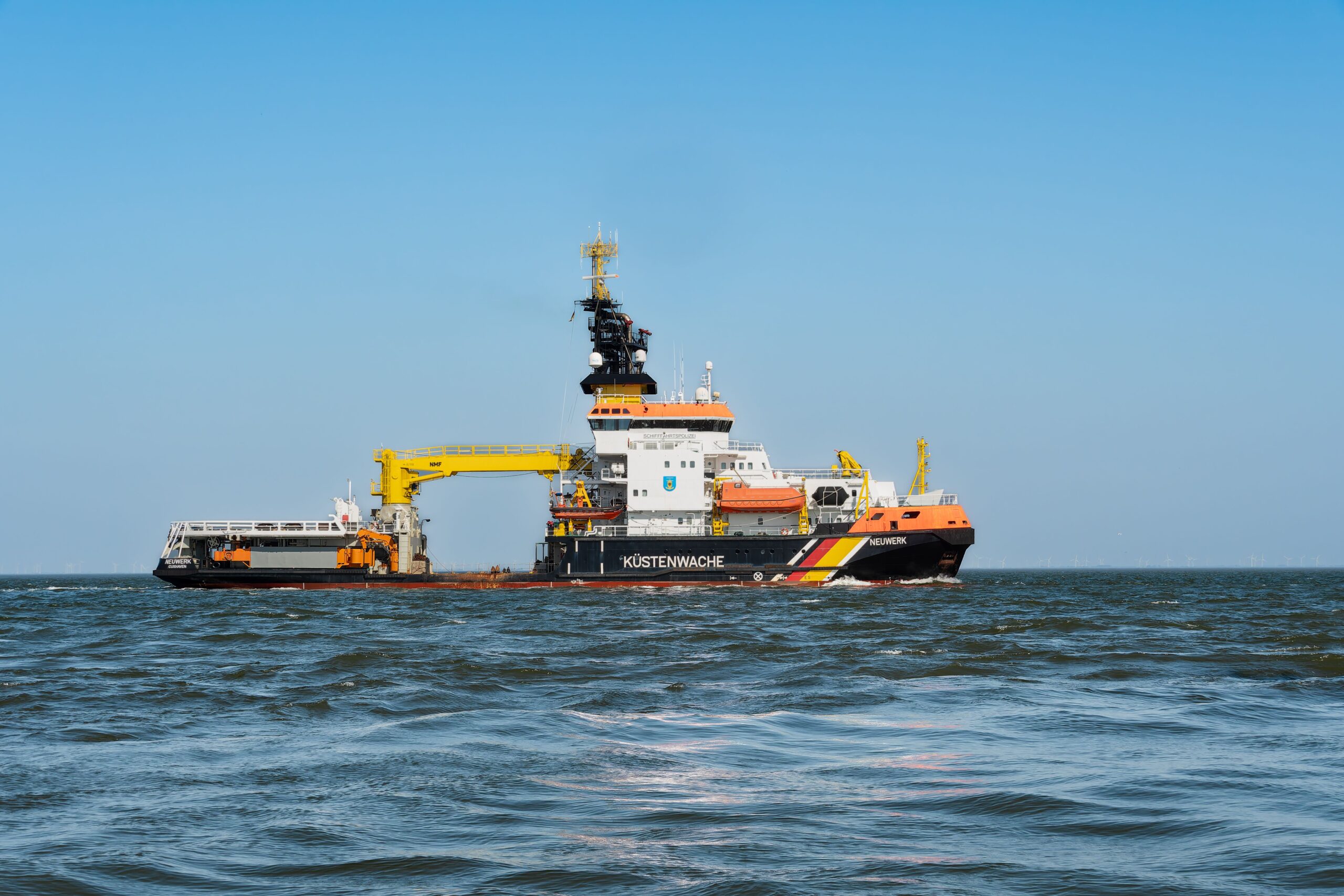
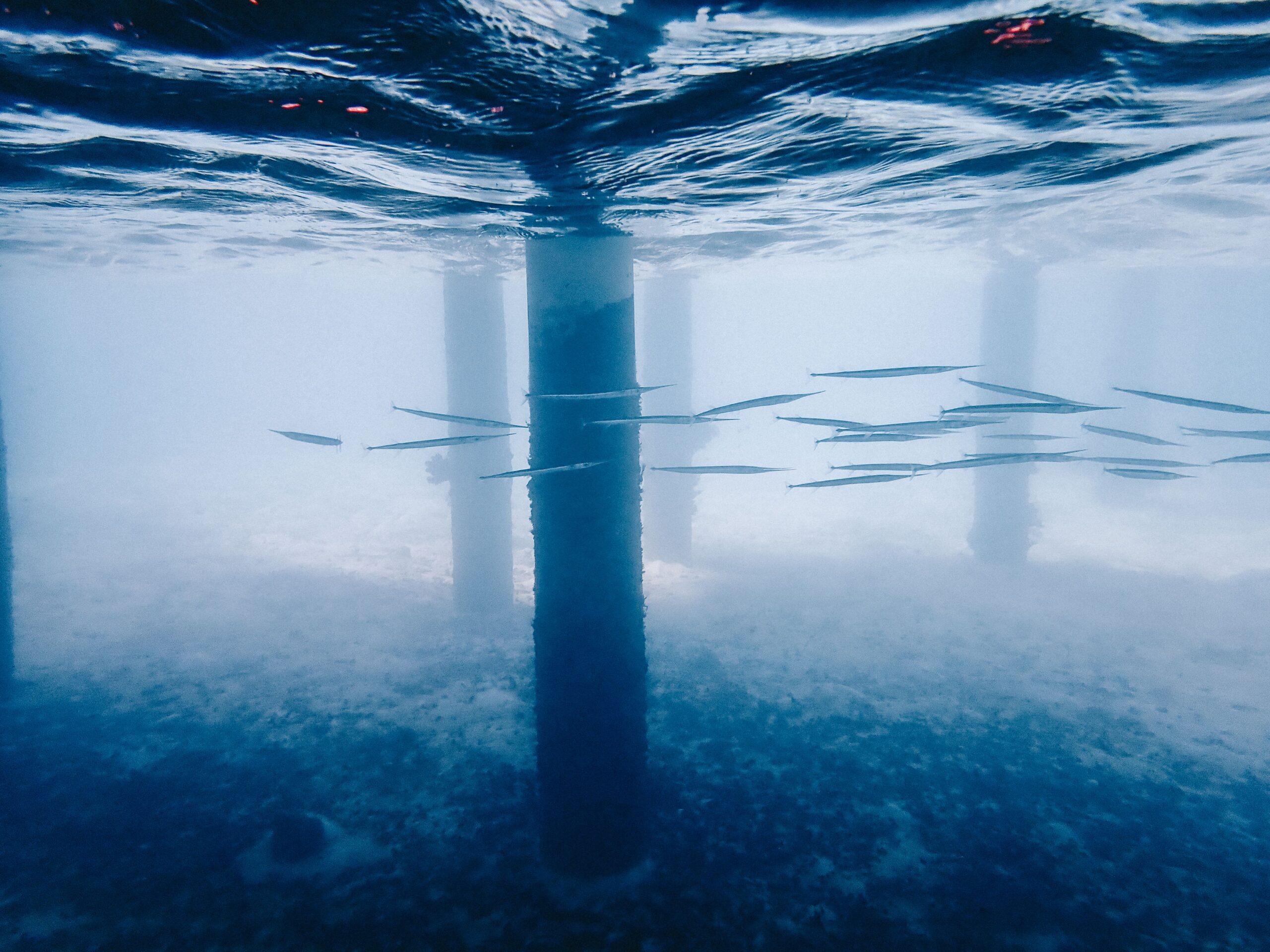
- Ports and harbor authorities engage our ports and harbor diving services after vessel impact or storm damage to quay walls and piles.
Preparing Before You Need Emergency Support
The best time to choose an emergency dive contractor is before you need one. Asset owners who identify a response partner in advance, and share basic site access and structural information ahead of time, consistently get divers in the water faster when an actual failure occurs. If your facility does not yet have a 24/7 underwater response contractor on file, [contact TUF International for a no-obligation consultation](https://tuf-international.com/contact/) to discuss what a response plan for your site would look like.