Sluice and Lock Chamber Diving Inspections: What Waterway Operators Need to Know
Sluices and lock chambers keep inland waterways moving, but the parts that fail first, gate seals, sill plates, chamber walls, sit permanently underwater and out of sight. A sluice diving inspection lets waterway authorities and canal operators assess that condition directly, without draining a chamber or taking a structure out of service. For operators managing ageing lock infrastructure, this is often the only practical way to catch wear before it becomes a closure.
Why Lock Chamber Diving Requires Specialist Divers
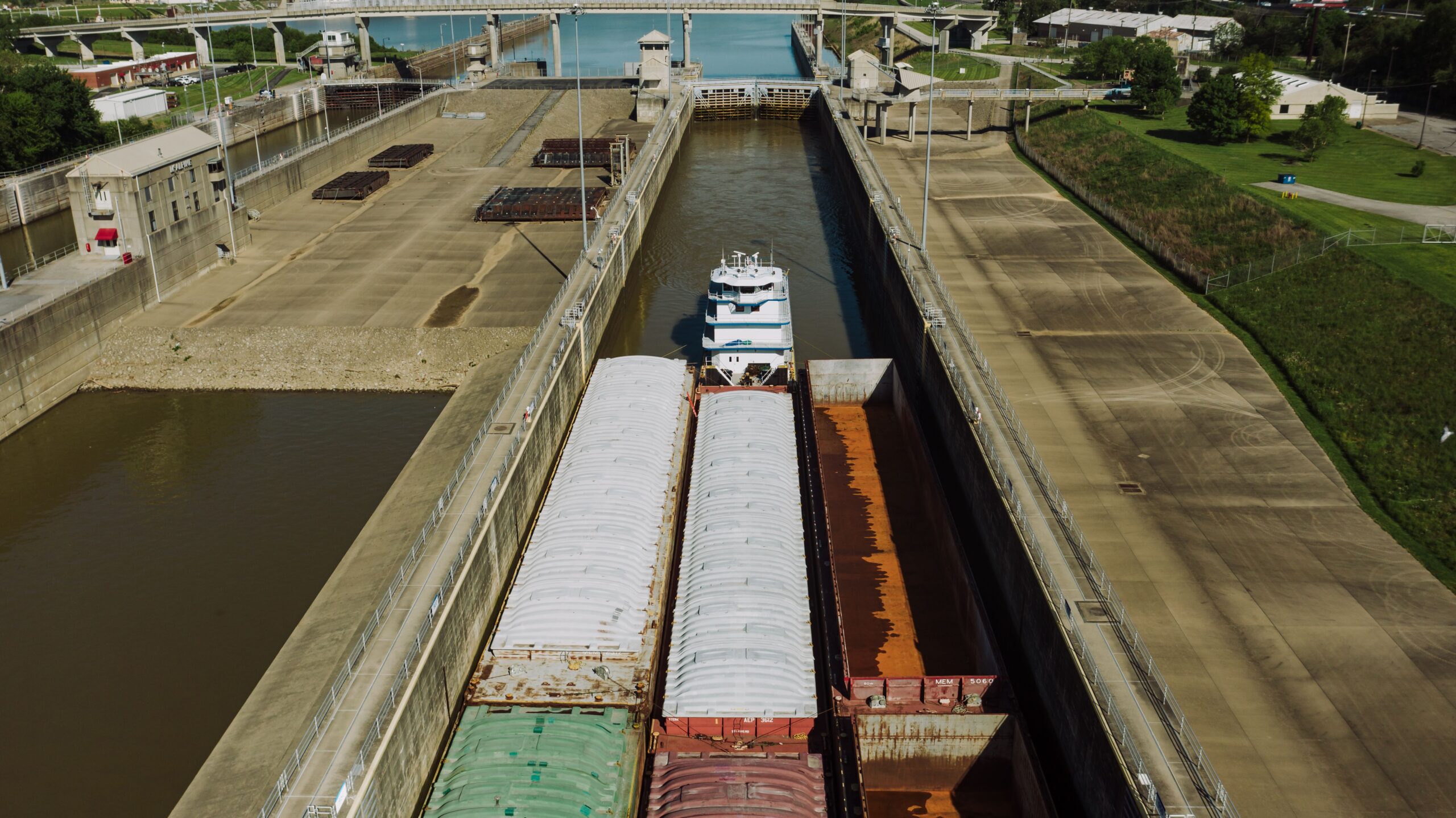
A lock chamber is a confined, moving-water environment. Gates can be under load, water levels can shift during the inspection, and visibility is frequently poor. This is not a task for general-purpose commercial diving. It requires divers trained specifically in confined-space and current-affected conditions, working to IMCA-aligned safety and competence standards, with surface-supplied communication and standby diver protocols in place throughout.
Because lock chambers are usually still in operation on either side of the works being inspected, coordination with the waterway authority’s own operating schedule is essential. A sluice diving inspection is planned around lock traffic, not the other way around, which is one of the reasons experienced contractors are worth the additional planning time upfront.
What a Professional Sluice Diving Inspection Covers
A thorough lock chamber diving inspection typically documents:
- Gate seals and mitre joints — checking for wear, gaps, or deformation that causes leakage and slows lock cycling
- Sill plates and gate recesses — assessing corrosion, scour, and debris accumulation at the base of the gate
- Chamber walls and coping — surveying for spalling concrete, cracking, or masonry displacement
- Anodes and cathodic protection systems — confirming that corrosion protection on steel gates and fittings is still functioning
- Sediment and debris levels — measuring build-up that can affect gate operation or chamber capacity
Findings are recorded with underwater photography and video, cross-referenced against the previous inspection cycle where records exist, and delivered as a structured report the operator’s engineering team can act on directly.
Industry Applications: Where TUF’s Diving Teams Work
Lock and sluice inspection is one part of a broader civil and industrial diving scope. TUF International’s teams support:
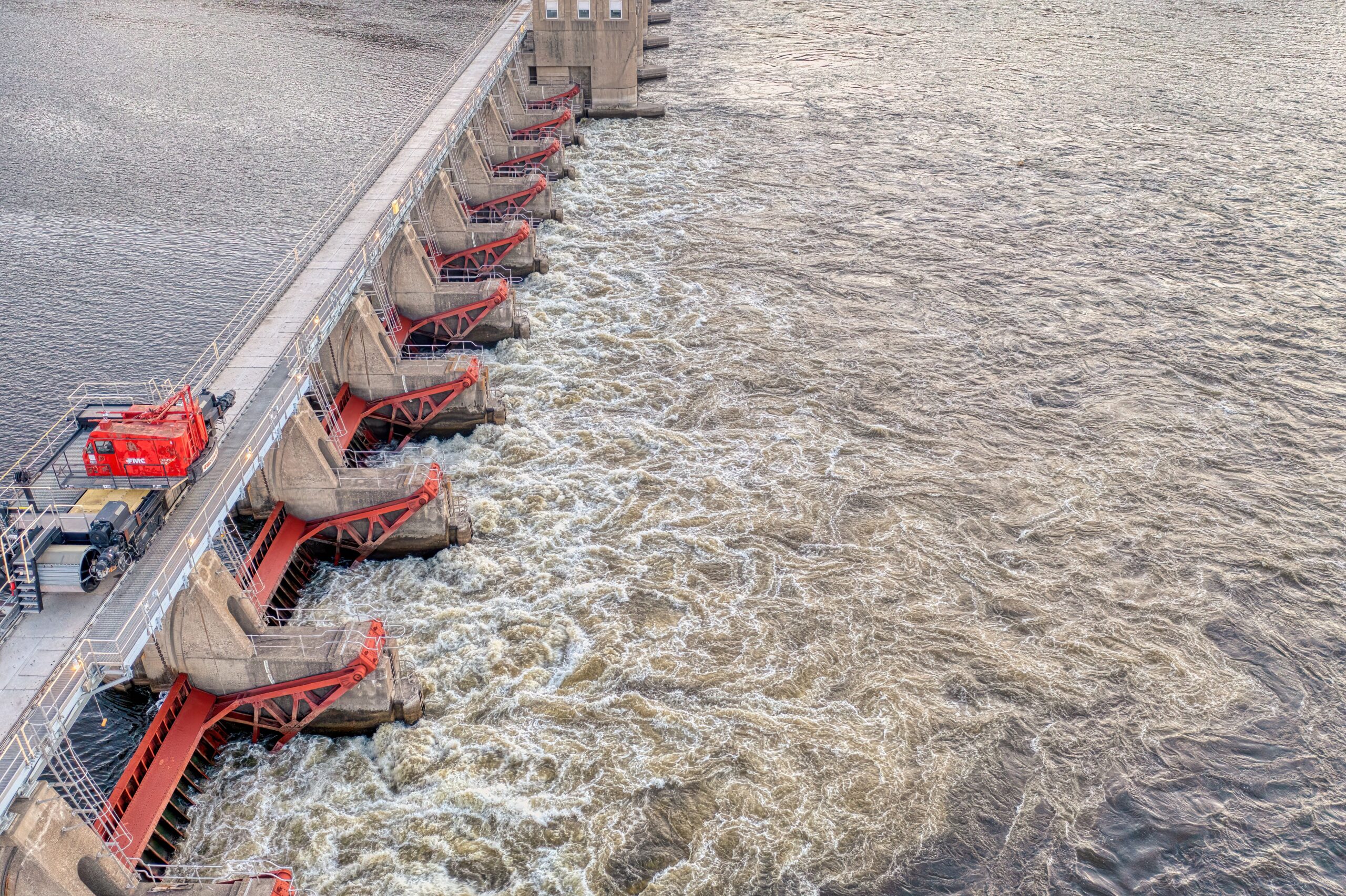
- Waterway authorities requiring canal lock and sluice gate inspection diving as part of scheduled structural maintenance programmes
- Port operators needing ports and harbour diving services for berth and quay wall assessment
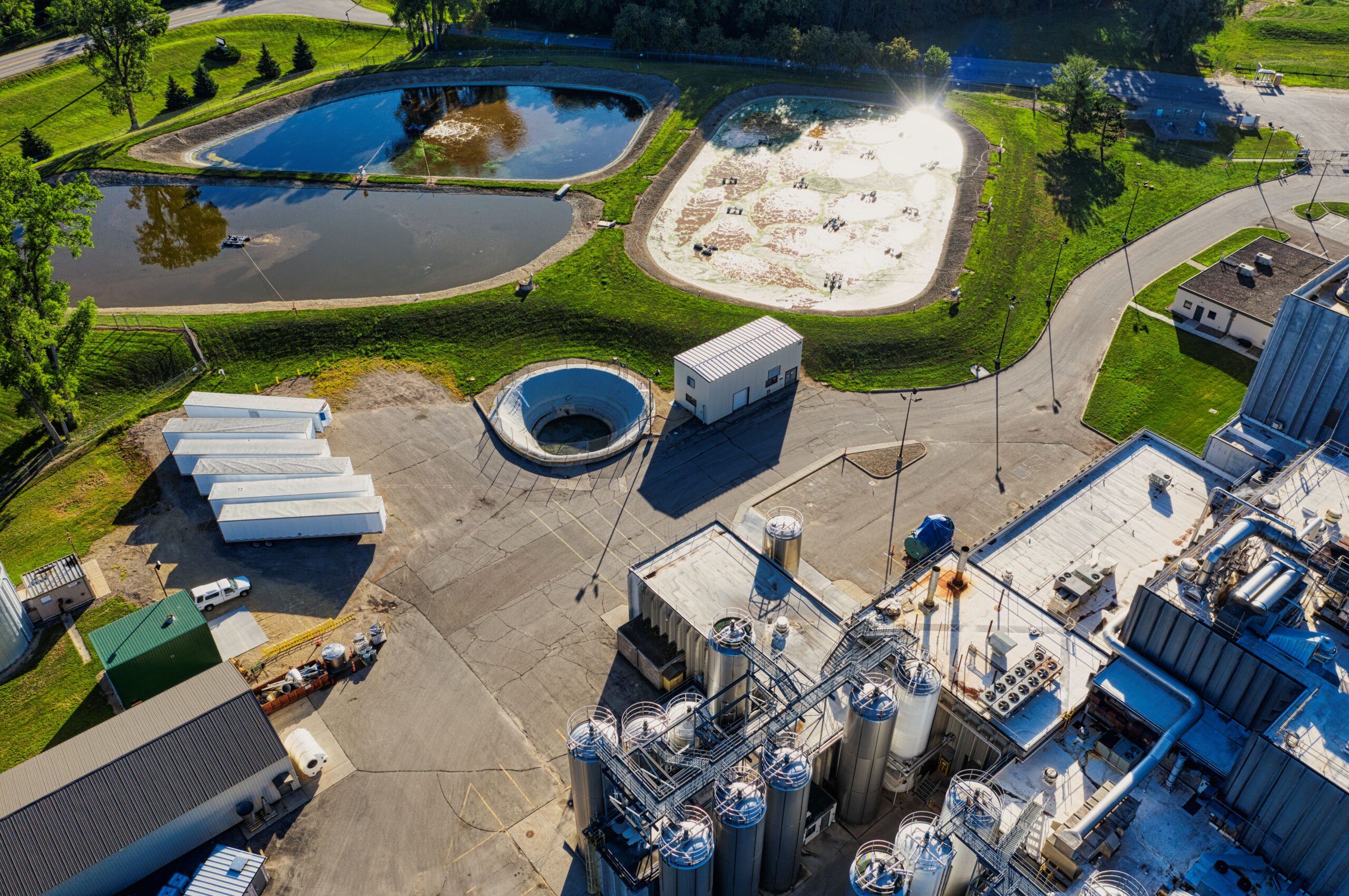
- Municipal utilities requiring water and wastewater utility diving services for intake and outfall structures
- Industrial sites needing chemical facility diving services for tank and cooling water intake work
- Energy and industrial operators requiring industrial and energy sector diving services for civil infrastructure tied to power and process facilities
IMCA-Aligned Standards and Safety in Confined Waterway Diving
Every sluice and lock chamber diving inspection TUF carries out follows IMCA-aligned diving practice: documented risk assessment specific to the site, standby diver cover, surface-supplied breathing systems where conditions call for them, and full dive logs supplied with the final report. In a confined chamber with moving water and mechanical gates nearby, this discipline is not optional. It is what allows the inspection to be carried out safely without taking the lock out of service for longer than necessary.
TUF International has carried out civil and industrial diving inspections in 154+ countries, giving waterway operators a contractor with the depth of experience to plan around live lock operations rather than working around them reactively.
Conclusion
Gate seals and sill plates that are quietly wearing away are far cheaper to repair when they are found early. A scheduled sluice diving inspection turns an unknown into a documented, engineer-ready condition report, without dewatering the chamber. If your waterway authority or facility is due for a lock chamber assessment, contact TUF International for a no-obligation consultation to discuss scope and scheduling around your lock’s operating calendar.