Diving Services for Wastewater Treatment Plants: Inspection and Maintenance Without a Shutdown
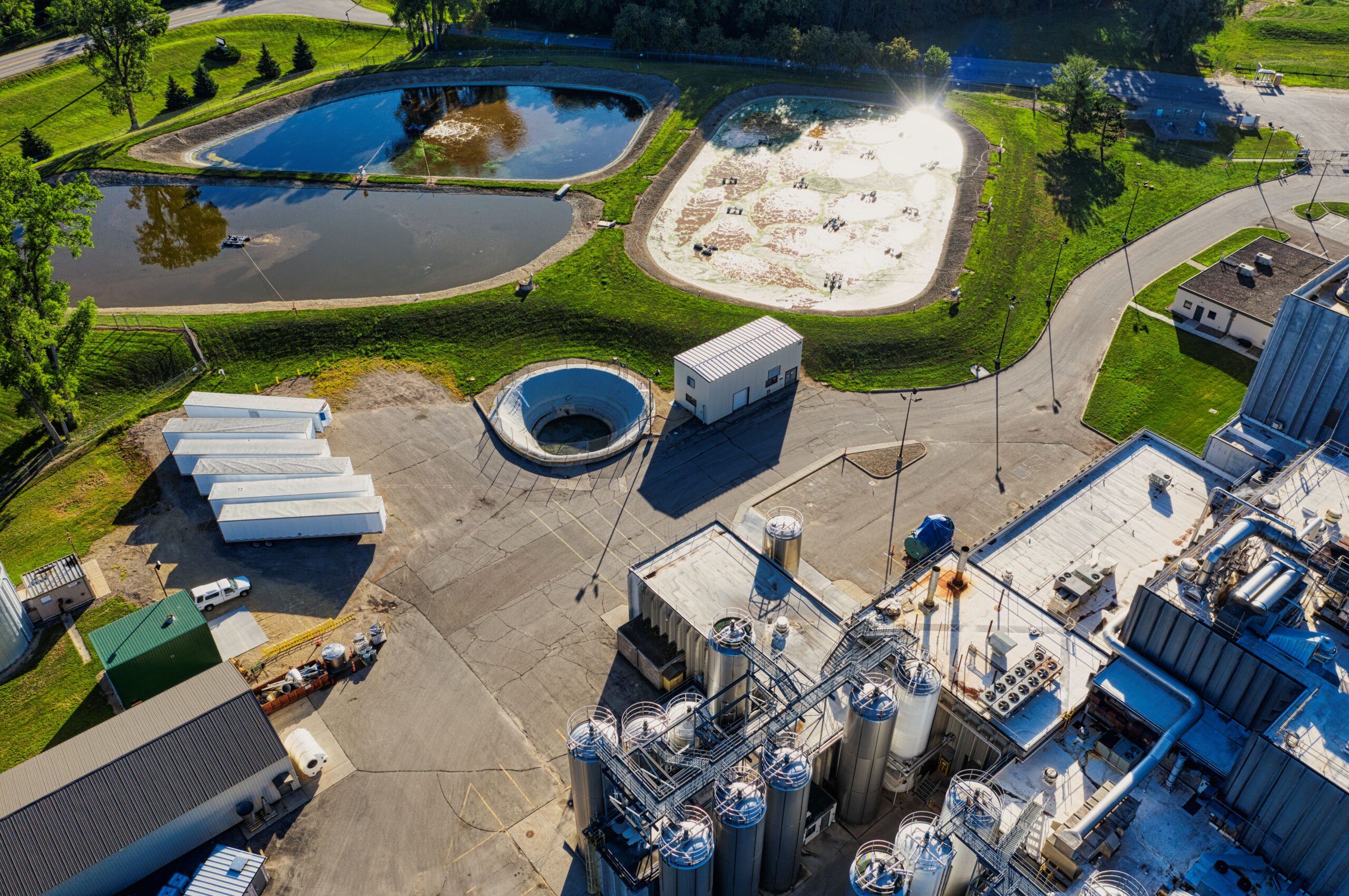
Draining a clarifier tank or an aeration basin to inspect it is expensive, disruptive, and often unnecessary. Diving services for wastewater treatment plants let plant operators inspect, clean, and repair submerged structures while the process keeps running, avoiding the cost and downtime of a full drain-down. For utilities managing ageing treatment infrastructure under the technical standards set out in the DWA-Regelwerk, this is quickly becoming the standard way to keep tanks and outfalls in known condition between capital works.
Why Wastewater Treatment Plant Diving Requires Specialist Divers
A treatment plant is not a typical dive environment. Divers may be working in confined tanks, near moving mechanical equipment such as scrapers and aerators, and in water with limited visibility and elevated contamination risk. This calls for divers trained specifically in confined-space and contaminated-water diving, following IMCA-aligned safety and hygiene protocols, with surface-supplied breathing systems, full decontamination procedures, and a standby diver on every job.
Work is planned around the plant’s process schedule so that inspection or repair work does not interrupt treatment capacity, and isolation procedures are agreed with plant staff before any diver enters a tank with active mechanical equipment nearby.
What Wastewater Treatment Plant Diving Services Cover
A typical scope for diving services for wastewater treatment plants includes:
- Clarifier and settlement tank inspection — checking scraper arms, weirs, and tank floors for wear, damage, or blockage
- Aeration basin diffuser inspection and cleaning — removing debris and biofilm build-up that reduces aeration efficiency
- Intake and outfall structure inspection — assessing screens, pipework, and headwalls for corrosion, damage, or obstruction
- Valve and gate maintenance — accessing submerged valves and penstocks for inspection, freeing, or minor repair without dewatering
- Sediment and grit removal — clearing accumulated material that reduces tank capacity or affects flow
Every inspection is documented with underwater photography and video and delivered as a report the plant’s engineering and compliance team can act on directly.
Industry Applications: Where TUF’s Diving Teams Work
Wastewater treatment plant diving is one part of TUF International’s civil and industrial diving scope. Its teams support:
- Municipal utilities requiring water and wastewater utility diving services for tank, clarifier, and outfall inspection
- Waterway authorities needing civil engineering diving contractor services for sluices, bridge piers, and other structures
- Port operators requiring ports and harbour diving services for berth and quay wall assessment
- Industrial and process sites needing chemical facility diving services for tank and cooling water intake work
- Energy and industrial operators requiring industrial and energy sector diving services for civil infrastructure tied to power and process facilities
IMCA-Aligned Standards and Safety in Contaminated-Water Diving
Every wastewater treatment plant dive TUF carries out follows IMCA-aligned diving practice: a documented, site-specific risk assessment covering water quality and mechanical isolation, surface-supplied breathing apparatus, full decontamination on exit, and a standby diver throughout. Diving in a treatment plant environment carries hygiene and confined-space risks that general commercial diving does not, and this discipline is what allows the work to be carried out safely without shutting down the process.
TUF International has carried out civil and industrial diving inspections in 154+ countries, giving utilities a contractor experienced in planning tank and outfall work around live plant operations rather than a full shutdown.
Conclusion
A clarifier, aeration basin, or outfall that has not been inspected in years carries an unknown maintenance risk. Diving services for wastewater treatment plants replace that unknown with a documented, engineer-ready condition report, without taking the tank out of service. If your utility or facility is due for a submerged asset inspection, contact TUF International for a no-obligation consultation to discuss scope and scheduling around your plant’s process cycle.