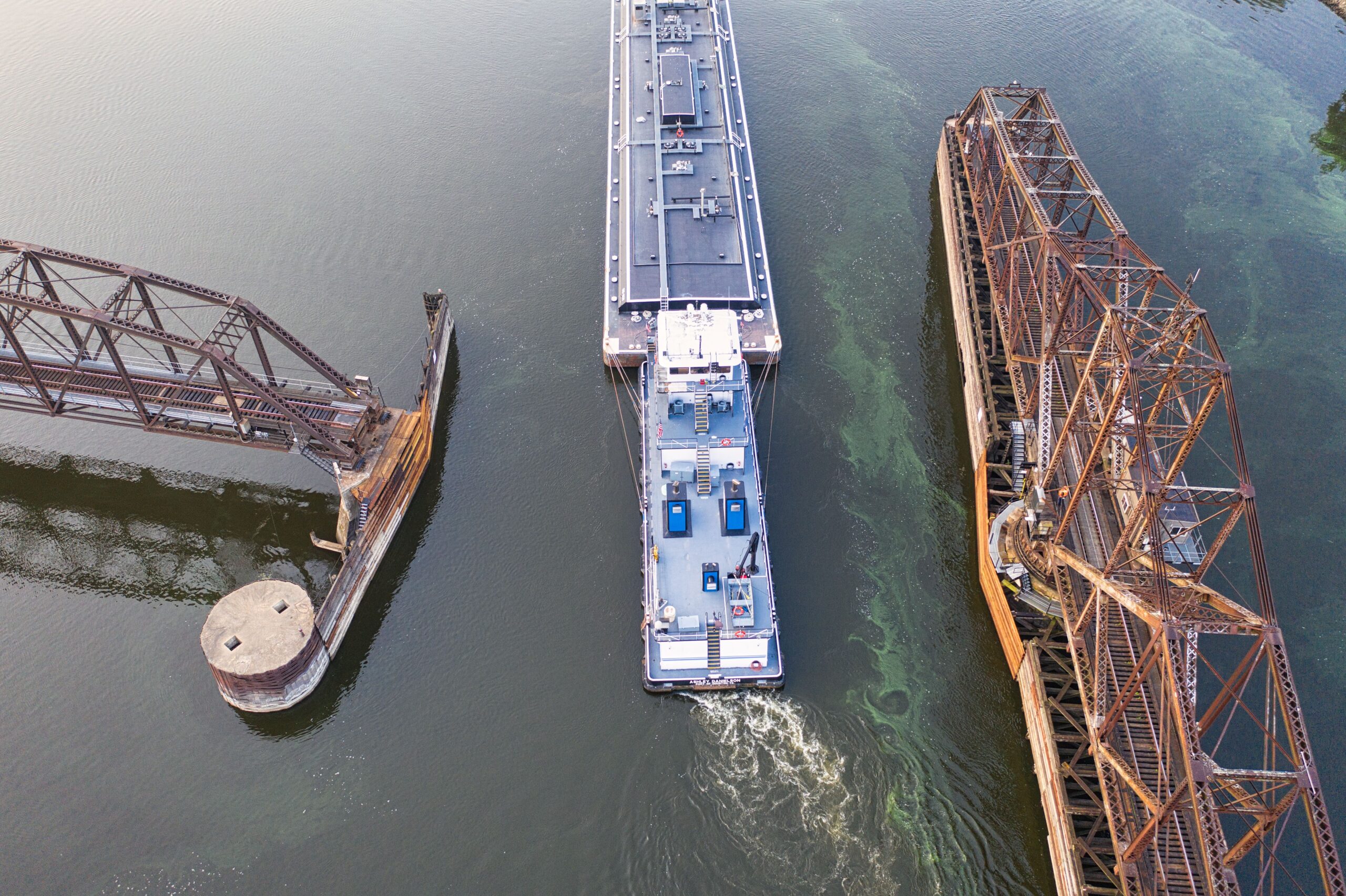
Bridge Pier Scour Inspection: Structural Fatigue Assessment for Civil Engineers
Bridge piers sit below the waterline for their entire service life, which means the part of the structure most exposed to scour, impact and corrosion is also the hardest part to see. A bridge pier diving inspection is how civil engineers get eyes on that hidden section without draining a river or closing a waterway. For project managers planning a structural assessment, knowing what a proper underwater inspection involves, and what separates a qualified contractor from a general-purpose dive shop, makes the difference between a report you can act on and one you can’t.
Why Bridge Pier Inspection Requires Specialist Underwater Diving Skills
Inspecting a bridge pier is not the same as recreational or even general commercial diving. Divers are often working in fast-flowing rivers, zero-visibility water and confined spaces around footings and scour protection, frequently while road or rail traffic continues overhead. This calls for divers trained specifically in underwater infrastructure inspection: controlled search patterns by touch when visibility is near zero, an understanding of concrete and steel degradation mechanisms, and the ability to document findings in a way that holds up for engineering sign-off. A contractor without this background can miss scour pockets, hairline cracking or exposed reinforcement that a generalist visual pass would walk straight past.
Scoping the Work: What a Bridge Pier Inspection Should Include
A proper scope covers the pier shaft, footing, and any scour protection in place, with findings referenced to a structural grid so results can be tracked across inspection cycles rather than read as a single isolated snapshot. The checklist itself is fairly standard across contractors. What actually separates a usable report from an unusable one is who is doing the work and how the findings are delivered, which is the real question civil engineers should be asking before signing a contract.
Questions Civil Engineers Should Ask Before Hiring a Diving Contractor
Before awarding a bridge pier inspection contract, it is worth asking a few direct questions. Does the dive team have documented experience on structural and civil engineering projects, not just general underwater work? What safety and competence standards does the contractor work to, and are its divers trained to IMCA-aligned practices? How is inspection data delivered, and can it be mapped directly onto existing structural drawings? What happens if damage is found mid-inspection, can the same contractor scope and execute repair work, or does the project need a second procurement round?
A contractor that can answer all of these clearly, and that operates internationally rather than only in one regional market, generally signals a team built for infrastructure work rather than one treating it as a side job.
Industry Applications — Where We Work
TUF International supports inspection and maintenance diving across several infrastructure sectors, including:
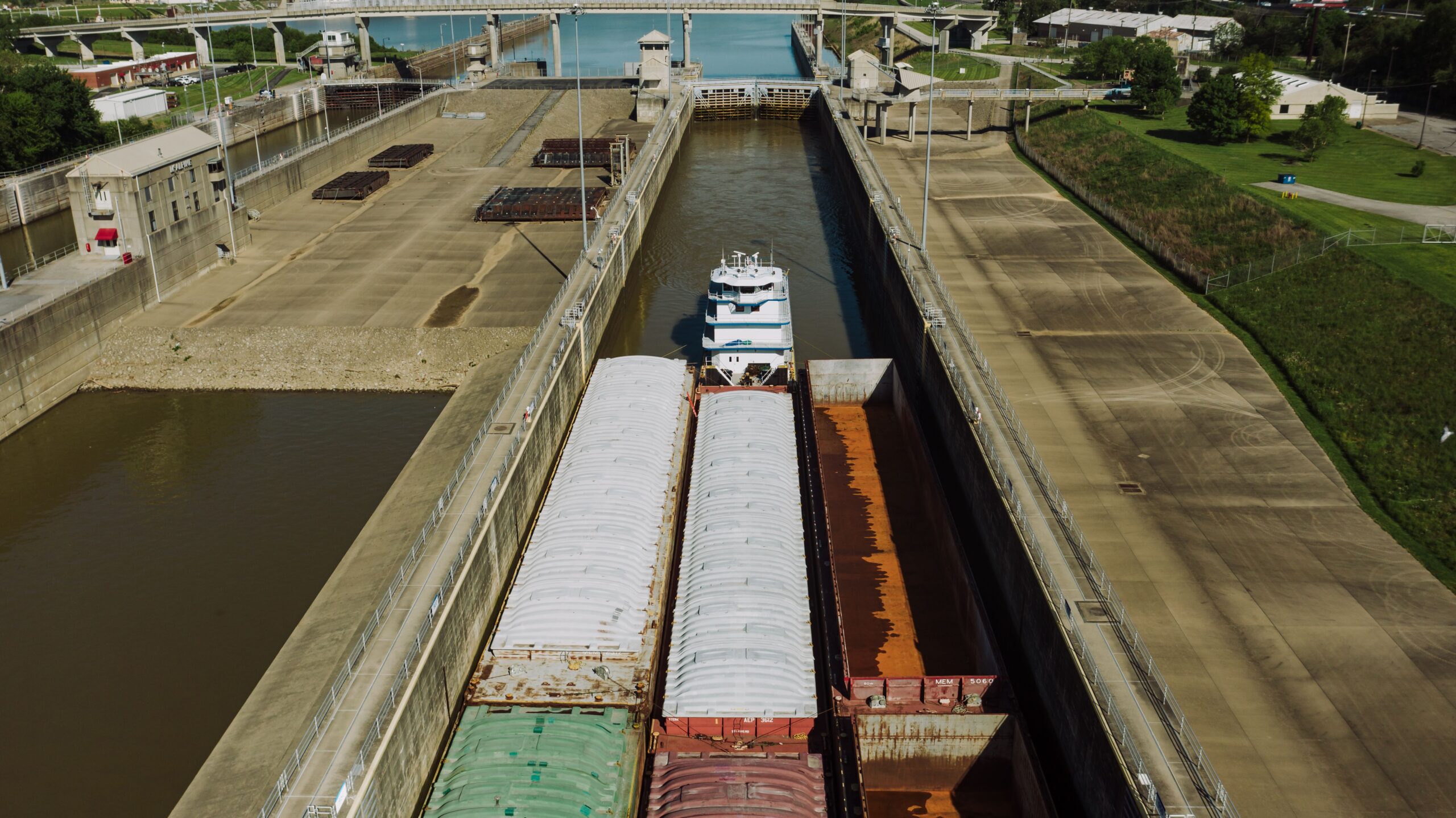
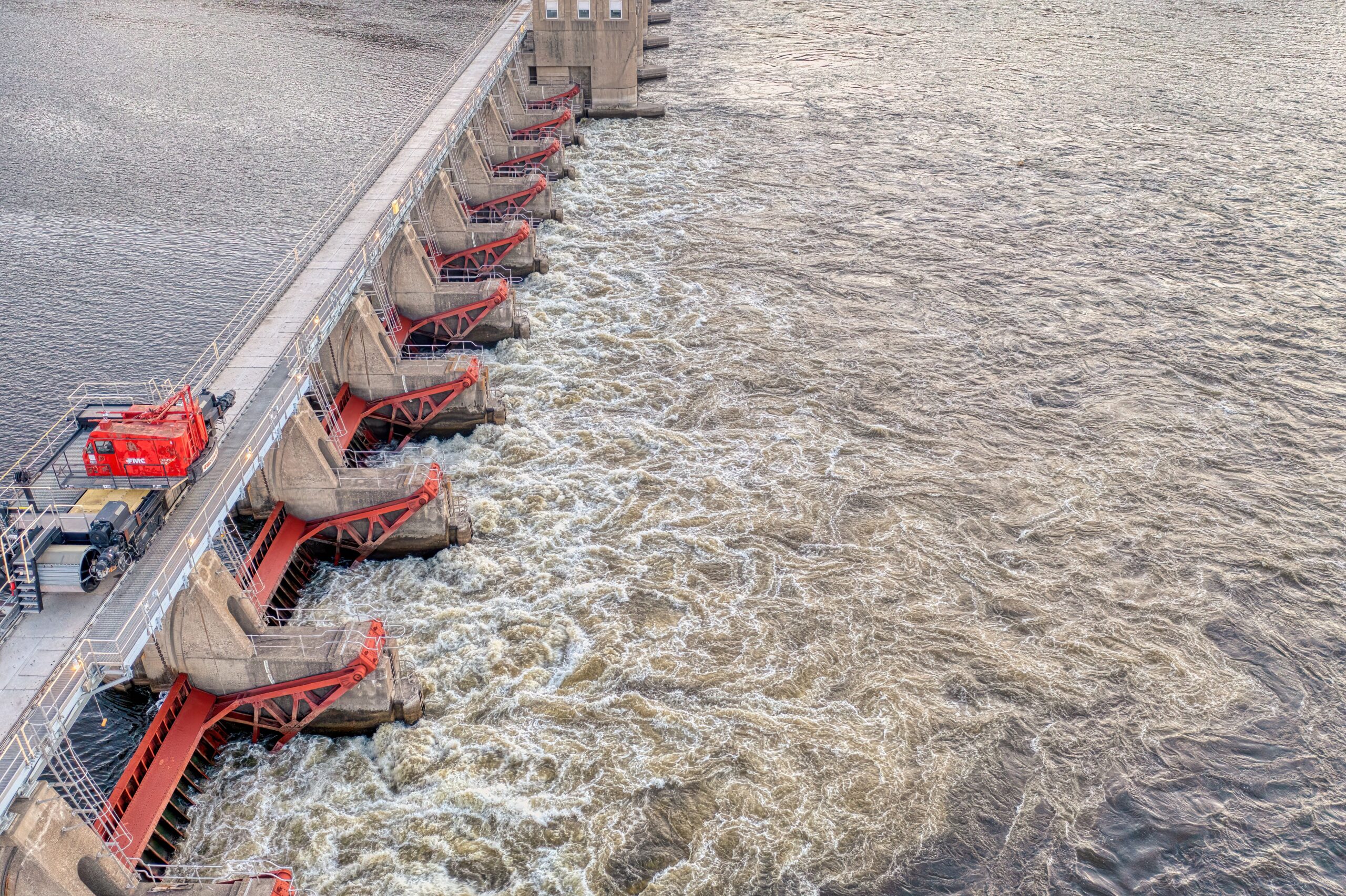
- Structural condition surveys and repair support through our civil engineering diving contractor services for bridges, dams and waterway structures
- Intake and outfall inspection work under our water utility pipeline diving services
- Quay wall, berth and navigation structure surveys via our ports and harbor diving services
- Tank, pipework and containment diving through our chemical facility diving services
- Cooling water and process water diving under our industrial and energy sector diving services
Conclusion
A bridge pier is only as reliable as the data behind its last inspection. Hiring a contractor with genuine underwater infrastructure inspection experience, rather than the lowest-cost local dive operator, is what keeps that data accurate and the structure safe between inspection cycles. To discuss a bridge pier inspection scope for your project, contact TUF International for a no-obligation consultation.