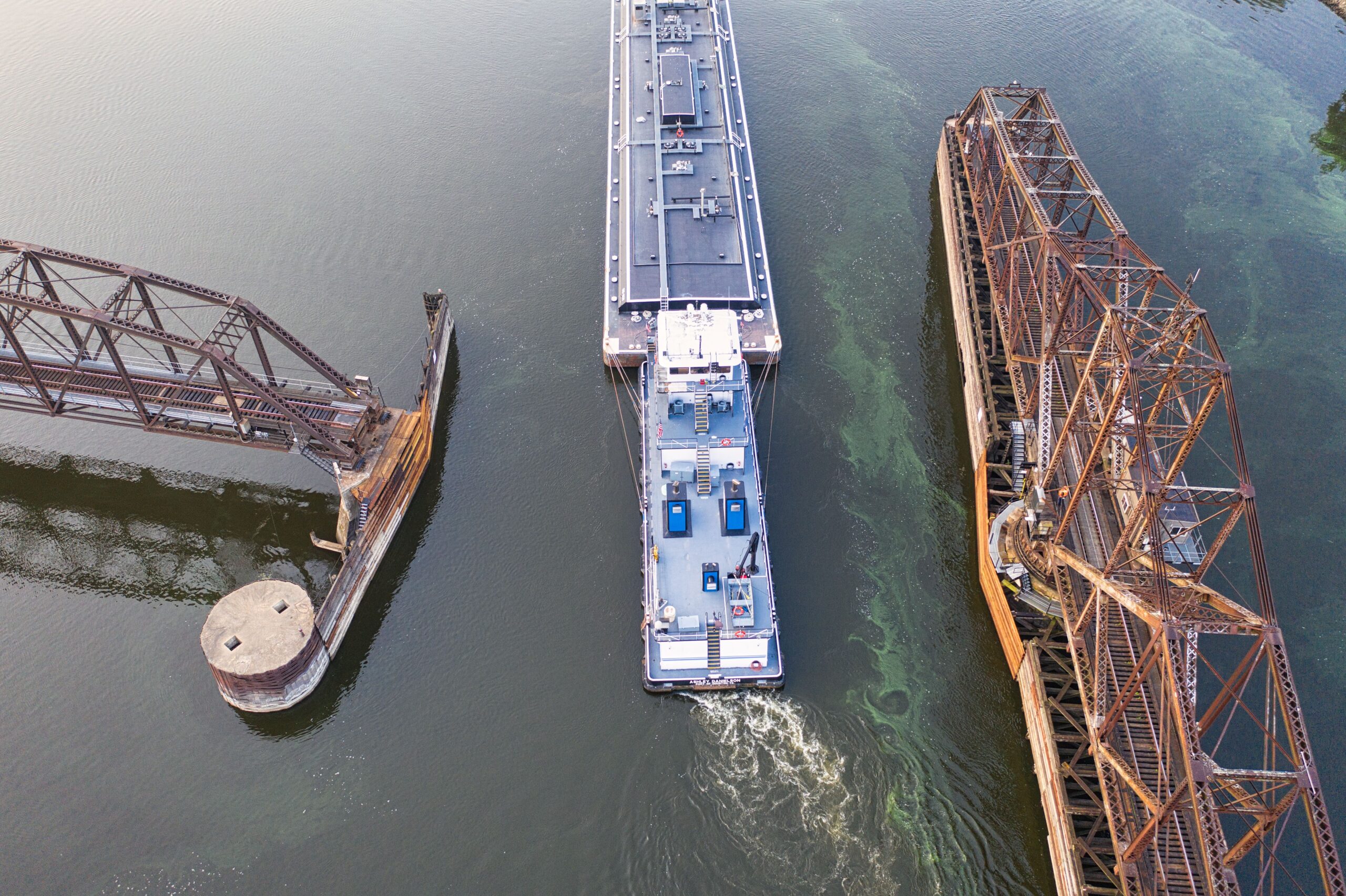
Bridge Pier Inspection by Divers: Assessing What You Cannot See From the Deck
A bridge deck can look perfectly sound while the piers holding it up are quietly failing below the waterline. Scour around a pier footing, cracking in submerged concrete, and corrosion on steel piling are the failure modes that cause the most serious structural incidents, and none of them are visible from above. Bridge pier inspection by divers is the only way to assess this part of the structure directly, and for highway authorities and rail operators managing ageing river crossings, it is becoming a standard part of the structural maintenance cycle defined under Germany’s DIN 1076 bridge inspection standard, rather than an occasional extra.
Why Underwater Bridge Pier Inspection Is a Different Discipline
Diving at a bridge pier is not the same as diving in a controlled industrial tank or a calm harbour basin. Piers sit in open river or estuary flow, often with poor visibility, variable current, and debris accumulation at the base. A diver working here needs training specific to current-affected structural inspection, working to IMCA-aligned safety protocols, with a dedicated standby diver and surface communication throughout the dive.
Inspections are also typically scheduled around river levels and, where the structure carries live traffic, around the authority’s own access windows. This is planning work as much as it is diving work, and it is where an experienced civil diving contractor earns its fee before a diver ever enters the water.
What a Professional Bridge Pier Inspection Covers
A structured underwater bridge pier inspection typically documents:
- Scour at the footing — measuring erosion around the base of the pier that undermines foundation stability
- Concrete condition — surveying for spalling, cracking, exposed reinforcement, and carbonation damage below the waterline
- Steel piling and bearings — checking for corrosion, section loss, and coating failure on steel components
- Debris and vessel impact damage — identifying accumulated debris load and any impact damage from vessels or floating material
- Previous repair condition — assessing how earlier underwater repairs or jacketing are holding up over time
Findings are documented with underwater photography and video, referenced against structure drawings where available, and delivered as a report the client’s structural engineers can use directly for a condition rating or repair scope.
Industry Applications: Where TUF’s Diving Teams Work
Bridge pier inspection sits within a wider civil and industrial diving capability. TUF International’s teams support:
- Highway and rail authorities requiring civil engineering diving contractor services for bridge pier, culvert, and structural inspection
- Port operators needing ports and harbour diving services for quay wall and berth assessment
- Municipal utilities requiring water and wastewater utility diving services for intake and outfall structures
- Industrial facilities needing chemical facility diving services for tank and cooling water intake work
- Energy and industrial operators requiring industrial and energy sector diving services for civil infrastructure tied to power and process facilities
IMCA-Aligned Standards and Safety in River and Estuary Diving
Every bridge pier inspection TUF carries out follows IMCA-aligned diving practice: a documented, site-specific risk assessment that accounts for current and river traffic, standby diver cover, surface-supplied breathing systems where flow conditions require it, and full dive logs supplied with the final report. Diving next to a live structure in moving water is one of the higher-risk categories of commercial diving, and this discipline is what keeps the inspection safe without unnecessary disruption to the crossing above.
TUF International has carried out civil and industrial diving inspections in 154+ countries, giving highway authorities and infrastructure owners a contractor experienced in planning bridge pier work around live traffic and variable river conditions rather than reacting to them.
Conclusion
Structural problems below the waterline develop quietly and are far cheaper to address when caught early through a scheduled inspection than after they surface as a visible deck or approach issue. A bridge pier inspection by divers turns an unseen risk into a documented, engineer-ready condition report. If your authority or asset owner is due for a pier assessment, contact TUF International for a no-obligation consultation to discuss scope and scheduling around your structure’s traffic and river conditions.