Innovations Driving Efficiency in Marine and Civil Engineering Projects
In today’s fast-evolving infrastructure landscape, underwater services in modern industrial projects are playing an increasingly vital role in ensuring efficiency, safety, and long-term performance. As marine and civil engineering projects expand into more complex and demanding environments, the need for reliable underwater solutions has grown significantly. From offshore platforms and subsea pipelines to bridges, ports, and underwater foundations, these services are essential for executing and maintaining critical infrastructure beneath the surface.
Understanding Underwater Services
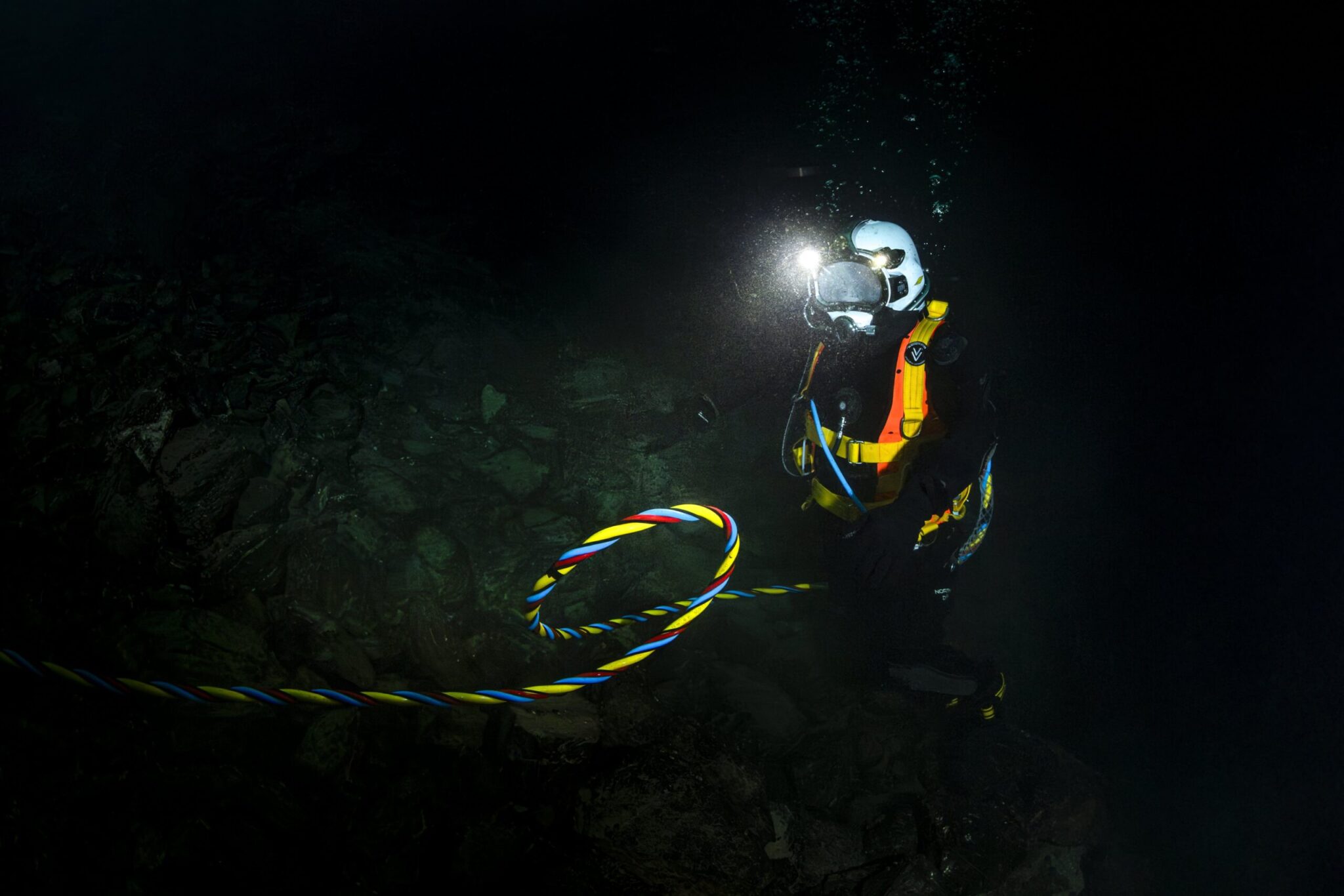
Underwater services encompass a wide range of operations carried out below the water’s surface, including inspection, maintenance, repair, installation, and surveying of subsea assets. Whether it involves assessing pipeline conditions, repairing submerged structures, or installing offshore equipment, these services ensure that critical infrastructure remains reliable and functional. At the same time, they play a crucial role in maintaining structural integrity and safety, as subsea assets are constantly exposed to harsh conditions such as corrosion, pressure, and marine growth. Regular inspections and timely interventions help detect issues early, preventing costly failures and significantly reducing risks for personnel by minimizing the need for human divers in hazardous environments.
Innovations Driving Efficiency in Underwater Operations
Technological innovation is at the core of improving efficiency in marine and civil engineering projects. Advanced tools such as remotely operated vehicles (ROVs) and autonomous underwater vehicles (AUVs) have transformed subsea operations by allowing engineers to perform complex tasks with high precision and minimal risk. These systems are equipped with high-definition cameras, sonar imaging, and robotic arms, enabling accurate inspections and repairs even in low-visibility environments.
In addition, real-time monitoring systems and digital data integration have significantly enhanced decision-making. Sensors embedded in underwater structures provide continuous feedback on pressure, temperature, and structural conditions, allowing operators to detect issues early and respond proactively. These innovations not only reduce downtime but also improve overall project efficiency.
Enhancing Safety and Reducing Operational Risks
Safety remains a top priority in all industrial projects, and underwater services contribute significantly by reducing human exposure to hazardous environments. By utilizing advanced technologies, many high-risk tasks can be performed remotely, minimizing the need for divers. This not only improves safety outcomes but also ensures greater precision and consistency in operations. As a result, companies can maintain high safety standards while achieving better project outcomes.
Conclusion
The role of underwater services in modern industrial projects continues to expand as industries push the boundaries of marine and civil engineering. Driven by innovation and advanced technology, these services are transforming how complex projects are executed and maintained beneath the water’s surface. By enhancing efficiency, improving safety, and supporting environmental responsibility, underwater services have become a cornerstone of modern infrastructure development. As technology continues to evolve, their impact on efficiency in marine and civil engineering projects will only become more significant.