Hiring a Commercial Diving Contractor: What to Look for in Diving Support Vessels and Crews
Underwater work on civil engineering, port, and industrial projects rarely happens without a diving support vessel behind it. Whether the job is a quay wall inspection, a pipeline repair, or construction support at a water treatment facility, the vessel and crew you hire directly determine whether the work gets done safely, on schedule, and to the standard your project requires. Choosing the wrong commercial diving contractor can mean delays, safety incidents, or work that has to be redone. Here’s what to actually check before you sign a contract.
What a Diving Support Vessel Does on Industrial and Civil Projects
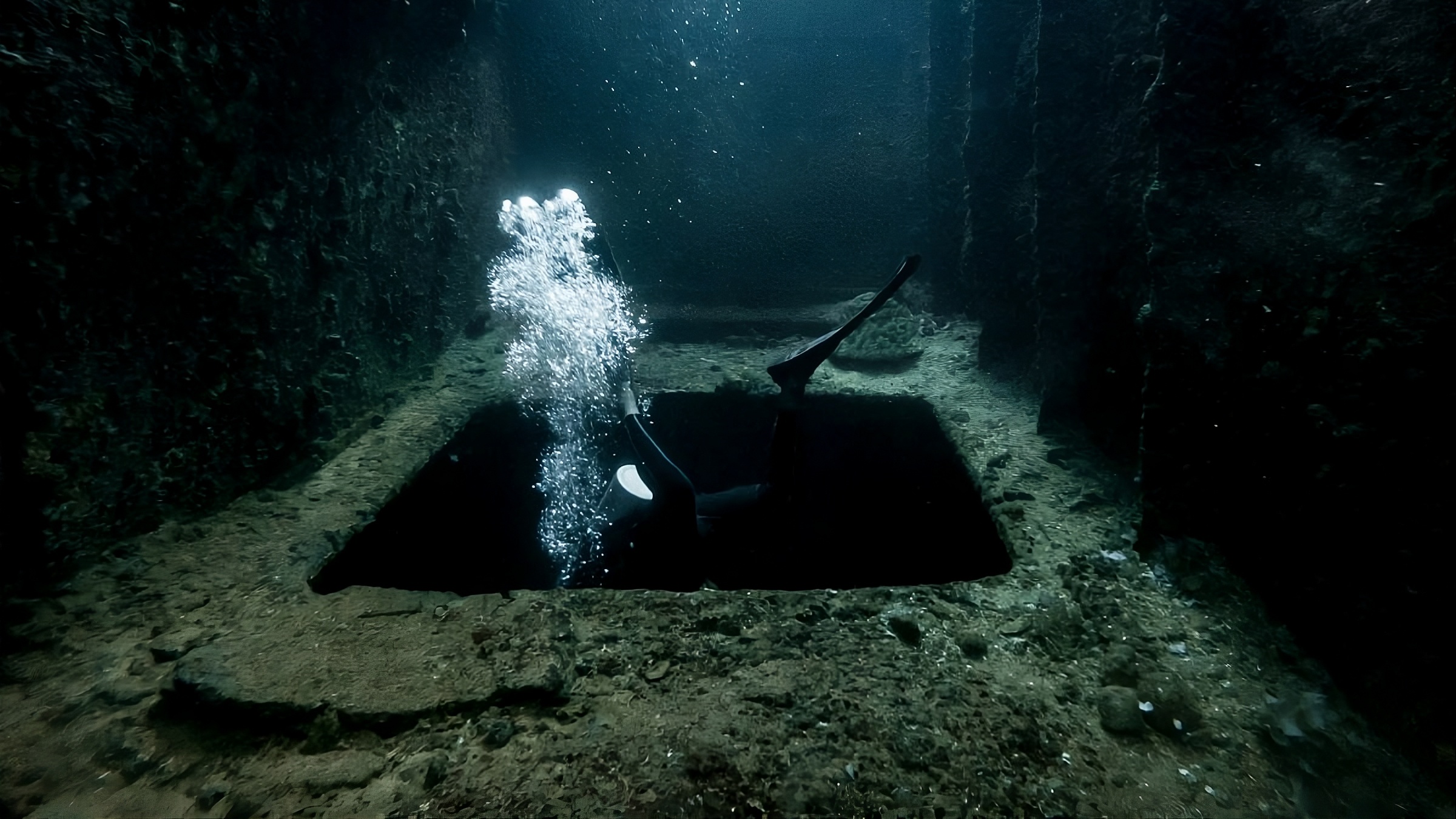
A diving support vessel is the platform from which commercial divers operate, providing surface supply air, decompression capability, lifting equipment, and a stable base for underwater operations. On civil engineering and industrial jobs, this typically means supporting work like quay wall and sheet pile inspections, underwater concrete repair, pipeline maintenance, or confined space diving at treatment plants. The vessel needs to be matched to the site conditions: a harbour inspection has very different requirements than a reservoir or inland waterway project. A contractor who can explain exactly how their vessel and crew configuration fits your specific site is already showing you they’ve done this kind of work before.
Certifications and Safety Standards to Verify
Before hiring, ask for documentation, not just assurances. At minimum, confirm:
- IMCA-aligned practices — commercial diving operations should follow International Marine Contractors Association guidelines for crew competence, equipment standards, and safety management
- DGUV §40 compliance — for work in Germany, this governs occupational diving safety and is non-negotiable for any legitimate contractor
- Crew certifications — dive supervisors and divers should hold recognised commercial qualifications, not just recreational or semi-professional credentials
- Equipment maintenance records — support vessels and diving equipment should have documented inspection and maintenance histories
A contractor who hesitates to provide this documentation, or treats it as a formality rather than a standard practice, is a warning sign.
It’s also worth asking how these standards are actually applied on site, not just documented on paper. A contractor should be able to describe their pre-dive safety briefing process, how they manage risk assessments for confined spaces or contaminated water, and how supervision is structured between the dive supervisor, support crew, and topside team. These operational details tend to reveal far more about a contractor’s actual safety culture than a certificate alone.
Evaluating Experience Across Industrial and Civil Engineering Work
Not all commercial diving experience transfers cleanly between sectors. A contractor with a strong track record in recreational or salvage diving may not have the specific experience needed for structural inspection at a dam, confined space work at a wastewater plant, or precision repair on a bridge pier. When evaluating a contractor, ask specifically:
- How many projects have they completed in your sector (ports, water utilities, civil infrastructure, industrial facilities)?
- Can they provide references from similar projects, not just similar-sounding ones?
- Do they have in-house expertise in the inspection or repair method your project needs, or will they be subcontracting critical work?
A contractor operating internationally across many countries brings a broader base of comparable project experience than one working only in a single regional market — worth asking about directly. This matters especially for less common project types, such as reservoir dam inspections or chemical facility diving, where a contractor’s global project history is often the best available indicator of genuine competence, given how few companies specialise in these specific areas.
Where We Work
TUF International provides commercial diving support across the sectors most likely to need diving support vessel operations:
- Structural inspection and repair for civil engineering and infrastructure projects, including bridges, dams, and retaining structures
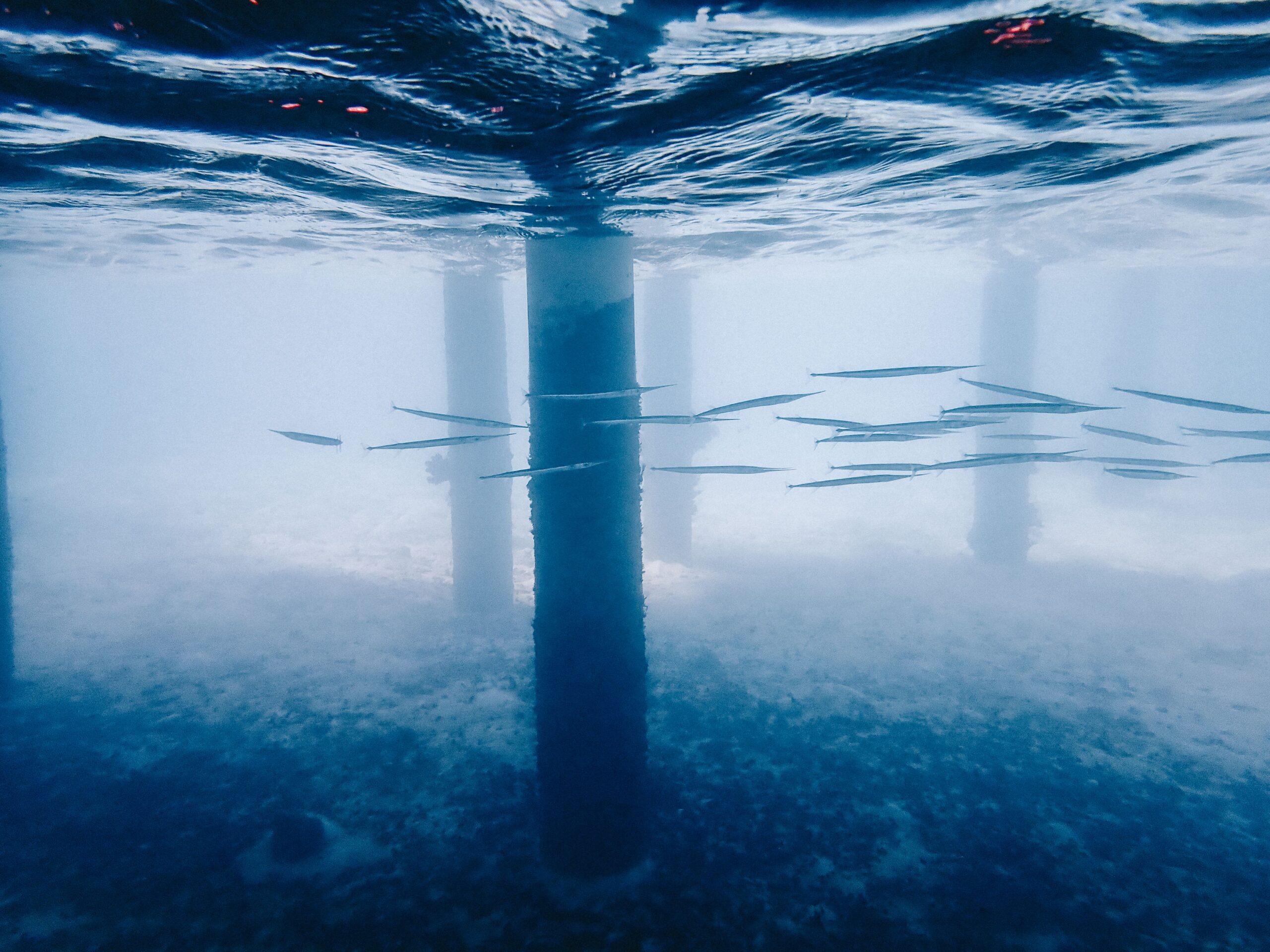
- Underwater maintenance and construction support for ports and harbor infrastructure, including quay walls and berths

- Diving services for water and wastewater utility facilities, including confined space and treatment plant work
- Industrial diving support for chemical facility operations requiring specialised safety protocols
- Underwater inspection and maintenance for industry and energy sector infrastructure
Choosing the Right Partner
The right commercial diving contractor should be able to walk you through their vessel and crew configuration for your specific site, provide documentation without hesitation, and point to direct experience in your sector rather than general diving credentials. If a contractor can’t answer these questions clearly during the hiring process, that’s the clearest signal of how the actual project is likely to go.
To discuss your project’s requirements, contact TUF International for a no-obligation consultation.