Confined Space Diving in Industrial and Municipal Facilities: Safety Protocols for Tank, Pipe, and Reservoir Inspections
Confined space diving is one of the highest-risk categories of commercial diving work, and also one of the most common in industrial and municipal settings. Storage tanks, clarifiers at wastewater treatment plants, pipelines, and reservoirs all require underwater inspection or maintenance at some point — but unlike open water diving, these environments come with restricted entry and exit points, limited visibility, and often contaminated or chemically treated water. Getting confined space diving wrong carries serious consequences, which is why the protocols governing it exist and why they should never be treated as optional.
What Makes Confined Space Diving Different From Open Water Work
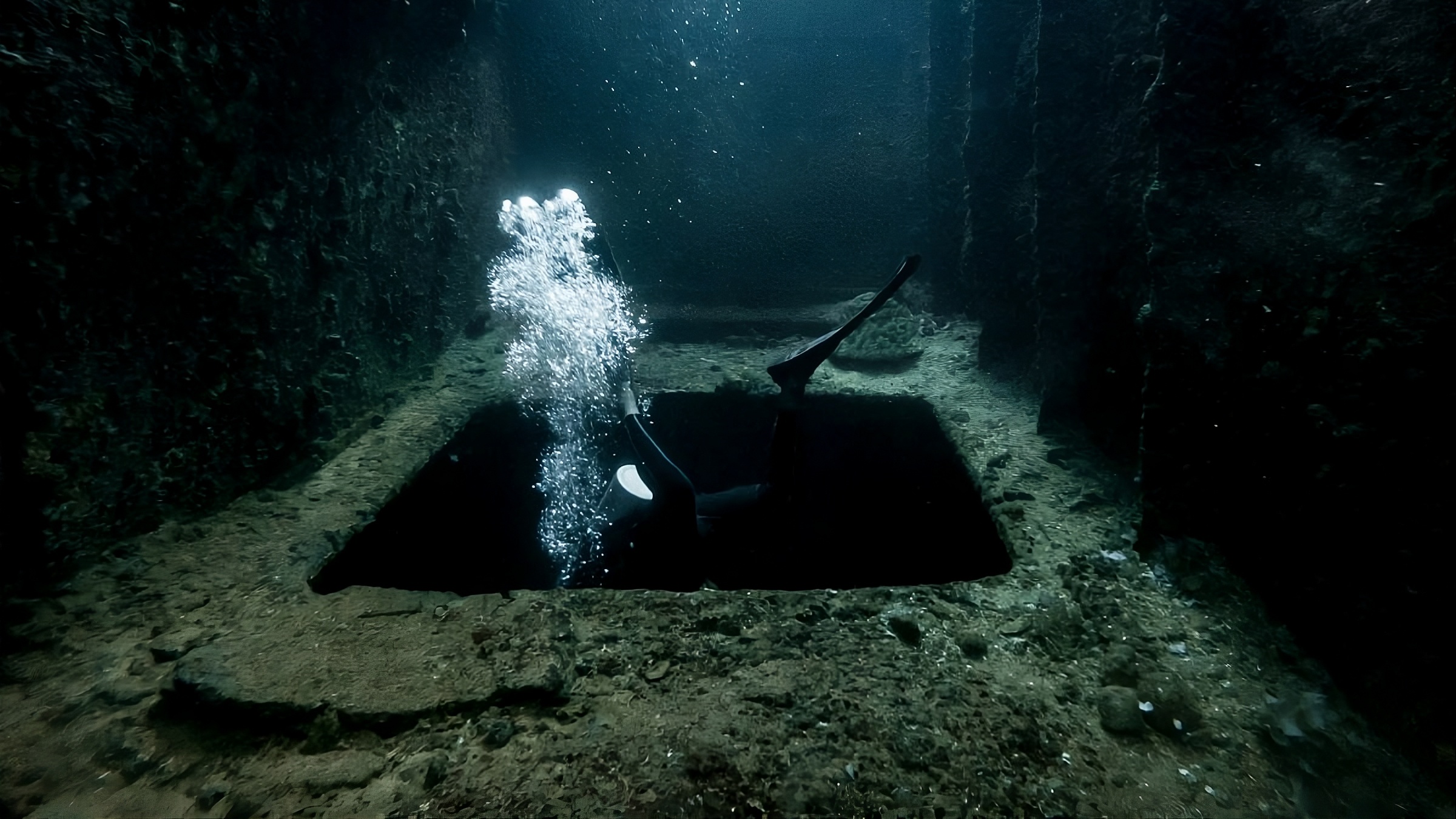
In open water, a diver in difficulty has a relatively direct route to the surface and support. In a confined space — a tank, a pipe, a clarifier basin — that’s often not the case. Entry and exit points may be narrow, the diver may be working meters from the nearest access point, and zero or near-zero visibility is common rather than exceptional. This changes nearly every aspect of how the dive is planned and executed: communication with the surface team becomes continuous rather than periodic, tending lines and umbilicals need careful management to avoid entanglement, and emergency retrieval procedures have to account for the physical layout of the space itself, not just general diver rescue protocols.
Common Confined Space Applications in Industrial and Municipal Facilities
Confined space diving covers a range of recurring maintenance and inspection needs:
- Storage tank inspection and cleaning, including fuel, water, and process tanks where internal access is otherwise impossible without draining
- Wastewater treatment plant work, particularly clarifiers and settling tanks, where diving allows inspection and maintenance without taking the tank fully offline
- Pipeline and culvert inspection, especially sections too small or inaccessible for ROV deployment
- Reservoir and water tower assessment, checking for structural issues, sediment buildup, or contamination sources
Each of these presents its own combination of visibility, contamination, and access challenges, and a contractor should be able to speak specifically to experience in the exact facility type involved, not just confined space diving in general
Safety Protocols and Standards That Should Never Be Skipped
Given the elevated risk profile, confined space diving demands a stricter safety framework than standard commercial diving work. At minimum, this should include:
- Atmosphere and water contamination testing before and during the dive, particularly in industrial tanks or wastewater environments where chemical or biological hazards may be present
- Continuous communication between diver and surface team, with a dedicated tender managing the diver’s line at all times
- Documented emergency retrieval procedures specific to the space being entered, rehearsed in advance rather than improvised
- DGUV §40 compliance for confined space and contaminated water diving conducted under German occupational safety regulations
- IMCA-aligned operational standards, adapted appropriately for confined space rather than open water contexts
A contractor should be willing to walk through their specific confined space risk assessment process before work begins, not simply reference general safety certifications. Facility operators commissioning this work should treat a vague or generic answer here as a reason to look elsewhere.
Where We Work
TUF International provides confined space diving services across the facility types where this work is most needed:
- Diving services for water and wastewater utility facilities, including clarifiers, tanks, and treatment infrastructure
- Confined space and industrial diving support for chemical facility operations requiring strict contamination protocols
- Structural inspection for civil engineering and infrastructure projects, including reservoirs and culverts
- Underwater maintenance for ports and harbor infrastructure requiring confined access work
- Diving support for industry and energy sector facilities with tank and process vessel inspection needs
Getting Confined Space Diving Right
Confined space diving in industrial and municipal facilities isn’t a variation on standard commercial diving — it’s a distinct discipline with its own risk profile, protocols, and required expertise. Facility operators should look for a contractor who treats it that way: with dedicated safety procedures, documented contamination handling, and direct experience in the specific type of confined space involved, rather than general diving credentials applied to a higher-risk environment.
To discuss confined space diving requirements for your facility, contact TUF International for a no-obligation consultation.