Qu'est-ce que la plongée commerciale alignée sur l'IMCA ? Un guide pour les chefs de projet
Lors de la commande de travaux sous-marins, les chefs de projet sont confrontés à un défi commun : comment évaluer la compétence d'un entrepreneur en plongée si l'on n'est pas soi-même plongeur ? Les certifications, les listes d'équipement et les déclarations de sécurité sont faciles à mettre sur un site web. Ce qui est plus difficile à falsifier, c'est l'alignement réel avec une norme industrielle reconnue internationalement.
IMCA — l’Association internationale des entreprises de travaux maritimes — fournit précisément cette norme grâce à ce que l'industrie appelle la plongée conforme à l'IMCA : un cadre structuré pour la compétence, la sécurité et les opérations. Pour les chefs de projet dans les secteurs de l'infrastructure, de l'énergie, des services publics et de l'industrie, comprendre ce que signifie la conformité à l'IMCA en pratique est l'un des moyens les plus fiables de distinguer les entrepreneurs compétents des sous-qualifiés.
Qu'est-ce que l'IMCA ?
L'International Marine Contractors Association est l'association professionnelle mondiale représentant l'industrie de l'ingénierie offshore, maritime et sous-marine. Fondée en 1995 et dont le siège est à Londres, l'IMCA développe et maintient des normes techniques, des codes de pratiques et des documents d'orientation qui définissent la conduite professionnelle dans les domaines de la plongée commerciale et des contrats maritimes dans le monde entier.
L'IMCA ne délivre pas de licences de plongée. Ce qu'elle fait, c'est définir le cadre — sur la manière dont les opérations de plongée doivent être gérées, la manière dont la compétence doit être évaluée, la manière dont les incidents doivent être signalés, et la manière dont l'équipement doit être entretenu et inspecté.
Les normes de l'IMCA sont utilisées par les principaux opérateurs des secteurs pétrolier et gazier, éolien offshore, des infrastructures civiles et des services publics comme référence pour la qualification des sous-traitants. Dans de nombreux processus d'appel d'offres, l'adhésion à l'IMCA ou des procédures alignées sur l'IMCA constituent une exigence explicite.
Que signifie "aligné sur l'IMCA" en pratique ?
Lorsqu'un entrepreneur en plongée décrit ses opérations comme étant alignées sur l'IMCA, cela signifie que ses procédures, ses cadres de compétences du personnel et ses systèmes de gestion de la sécurité reflètent les codes de bonnes pratiques publiés par l'IMCA – principalement les IMCA D 014 série (Code de bonnes pratiques pour la plongée en mer) et documents connexes couvrant la plongée côtière et intérieure.
Concrètement, cela se traduit par :
Évaluation structurée des compétences : Les entrepreneurs alignés sur l'IMCA utilisent le cadre de compétence des plongeurs de l'IMCA pour évaluer et enregistrer les compétences des plongeurs à des étapes définies — pas seulement lors de la certification initiale, mais de manière continue tout au long de la carrière d'un plongeur.
Systèmes de gestion de la sécurité documentés : Les opérations sont régies par des procédures écrites couvrant la planification préalable à la plongée, l'identification des dangers, les interventions d'urgence et les rapports post-plongée. Celles-ci ne sont pas ponctuelles — elles suivent une structure définie qui peut être auditée.
Culture de signalement des incidents : L'IMCA gère un système de signalement volontaire de la sécurité (IMCA DROPS et le système de signalement des incidents de sécurité de plongée). Les entrepreneurs véritablement alignés sur l'IMCA y participent — contribuant aux données de sécurité de l'ensemble du secteur et en tirant des enseignements.
Registres d'inspection et de maintenance des équipements : Les directives de l'IMCA définissent les attentes en matière d'entretien, d'inspection et de certification des équipements de plongée. Un entrepreneur aligné maintient des registres traçables pour tout l'équipement essentiel à la sécurité. Pour les opérations plus profondes ou plus complexes, les directives de l'IMCA couvrent également les normes des entrepreneurs en plongée à saturation, définissant les compétences, l'équipement et les exigences du système de cloche supplémentaires qui s'appliquent.
Normes de surveillance : Chaque opération de plongée alignée sur l'IMCA est gérée par un superviseur de plongée compétent dont le rôle, les responsabilités et l'autorité sont clairement définis – et non pas seulement attribués nominalement.
Pourquoi cela est important pour les chefs de projet
En tant que chef de projet, vous êtes responsable de la sélection des contractants et de la coordination de la sécurité sur site. L'alignement IMCA vous fournit une base structurée pour évaluer si les systèmes d'un contractant de plongée sont adaptés à l'usage prévu — avant le début des travaux.
Voici où cela a une pertinence directe pour votre rôle :
Évaluation des soumissions Lors de la comparaison des prestataires, l'alignement IMCA est un facteur de différenciation significatif. Il indique que les systèmes internes d'un prestataire ont été conçus selon une norme externe, et non pas inventés en interne.
Répartition des risques : Si un incident se produit et que vous avez fait appel à un entrepreneur sans référentiels de compétence vérifiables, votre exposition augmente. L'alignement IMCA fait partie d'un dossier de diligence raisonnable défendable.
Interface avec vos propres systèmes de sécurité : Les entrepreneurs alignés sur l'IMCA sont habitués à travailler dans le cadre des systèmes de gestion HSE des clients — soumission d'énoncés de méthode, processus de permis de travail, causeries de sécurité et rapports post-travail. Cela réduit les frictions sur le site.
Projets transfrontaliers : Les normes de l'IMCA sont reconnues à l'échelle internationale. Si votre projet implique des sous-traitants ou des équipes de clients issus de plusieurs pays, l'adhésion aux normes de l'IMCA offre un cadre de référence commun qui transcende les différences réglementaires nationales.
Alignement de la SCIM dans tous les secteurs
La plongée commerciale alignée sur l'IMCA est applicable partout où des travaux professionnels sous-marins sont effectués, et pas seulement dans les environnements offshore. TUF International applique les procédures alignées sur l'IMCA dans tous les secteurs :
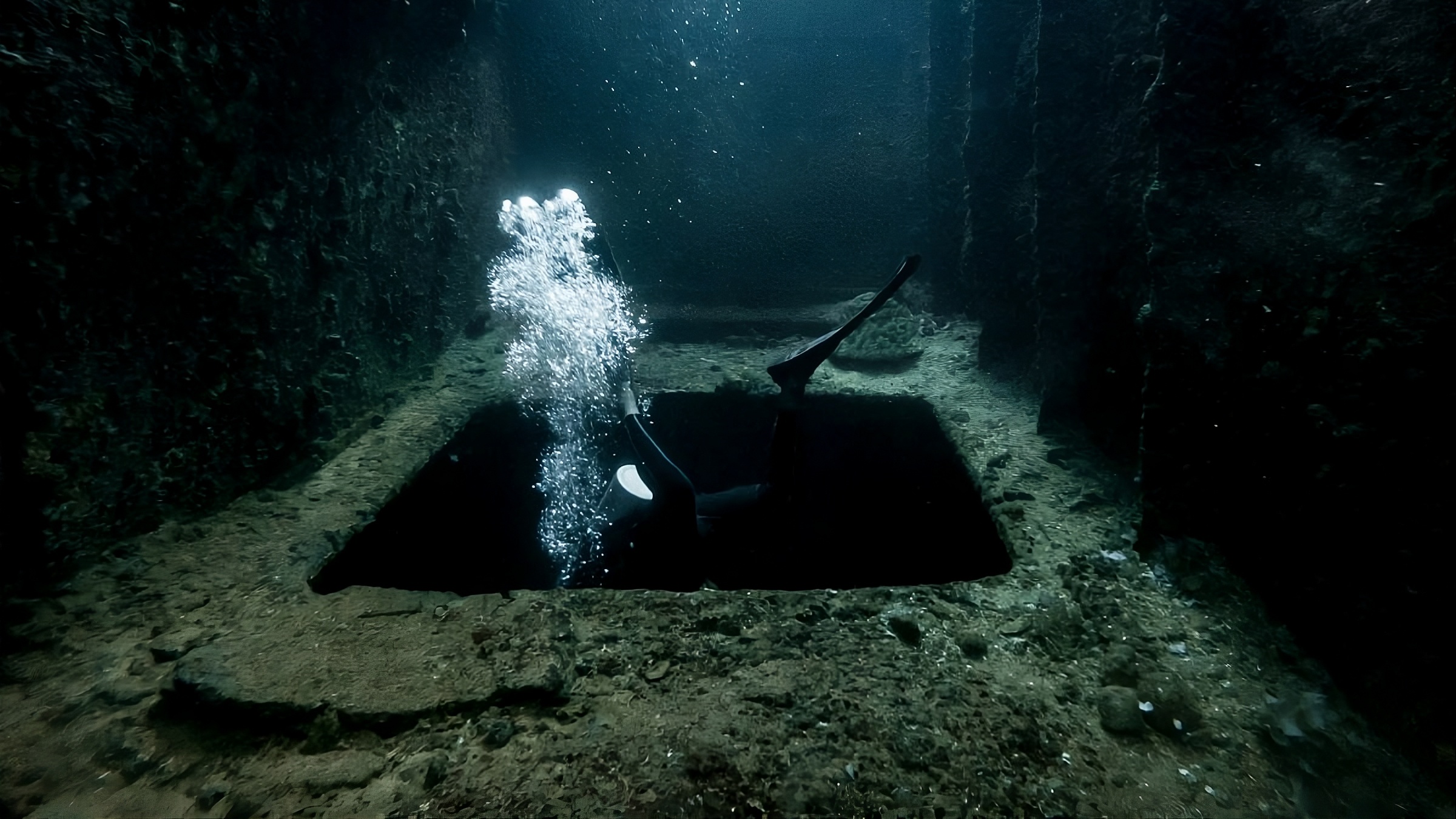

- Industrie & Énergie : Inspections sous-marines, maintenance de systèmes de refroidissement et interventions subaquatiques dans les installations industrielles et énergétiques Services de plongée commerciale dans les secteurs de l'industrie et de l'énergie — TUF International
- Génie civil et infrastructures : Inspections structurelles des ponts, des fondations, des palplanches et des ouvrages hydrauliques subaquatiques → Génie civil et services de plongée en infrastructure — TUF International
- Installations chimiques : Opérations de plongée en environnements dangereux et contaminés avec contrôles HSE complets et procédures d'urgence documentées Services de plongée sous-marine pour installations chimiques — TUF International

- Services d'eau et d'assainissement : Inspections en cours d'exploitation des infrastructures de traitement, des actifs de stockage et des réseaux de distribution Services de plongée pour les services d'eau et d'eaux usées — TUF International
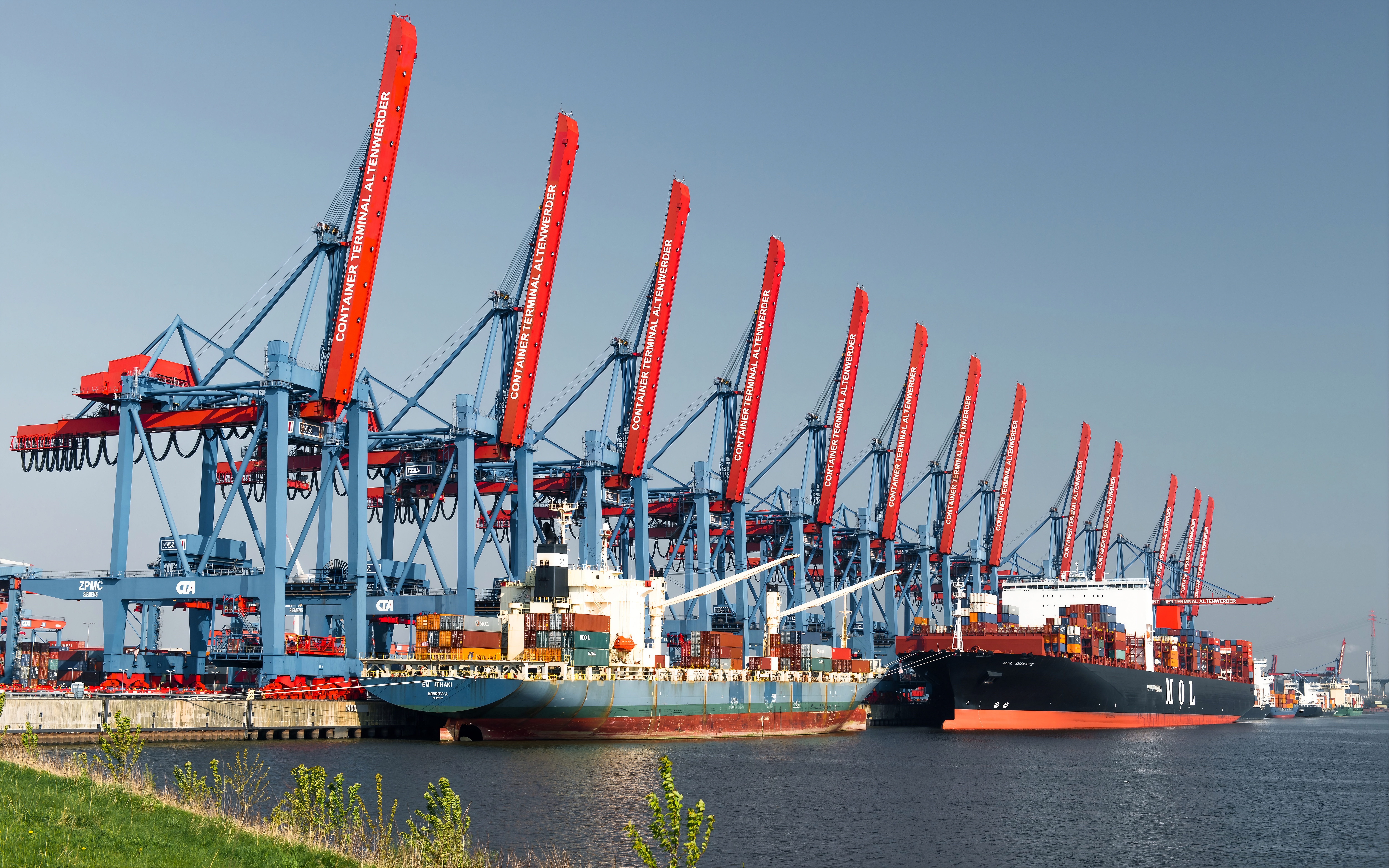
- Ports et havres Construction, inspection et maintenance sous-marines des installations portuaires et des havres Services de plongée pour la construction de ports et de havres — TUF International
Ce qu'il faut demander à un entrepreneur concernant l'alignement IMCA
L'alignement IMCA n'est pas une certification binaire — il existe sur un spectre. Lors de l'évaluation d'un sous-traitant, posez des questions spécifiques plutôt que d'accepter une déclaration générale :
- Utilisez-vous le cadre de compétence des plongeurs IMCA pour évaluer votre personnel ?
- Pourriez-vous fournir une copie de votre système de gestion de la sécurité de la plongée ?
- Participez-vous au programme de déclaration des incidents de sécurité de l'IMCA ?
- Vos superviseurs de plongée sont-ils évalués selon les critères de compétence de l'IMCA ?
- Comment vos enregistrements d'inspection et de maintenance des équipements sont-ils structurés ?
Un entrepreneur avec un alignement IMCA authentique répondra à ces questions avec de la documentation, pas seulement avec des mots.
Le point principal
L'alignement IMCA n'est pas un badge marketing — c'est un engagement structurel à exploiter la plongée commerciale selon une norme internationale définie. Pour les chefs de projet qui doivent prendre des décisions de sélection d'entrepreneurs défendables, il fournit un cadre d'évaluation fiable qui va au-delà du prix et de la disponibilité.
TUF International opère en accord avec les codes de pratique de l'IMCA pour tous les types de projets et secteurs, ainsi qu'en conformité avec les réglementations nationales applicables, y compris la DGUV Vorschrift 40 en Allemagne.
Pour discuter des besoins de votre projet, Contacter TUF International pour une consultation sans engagement.