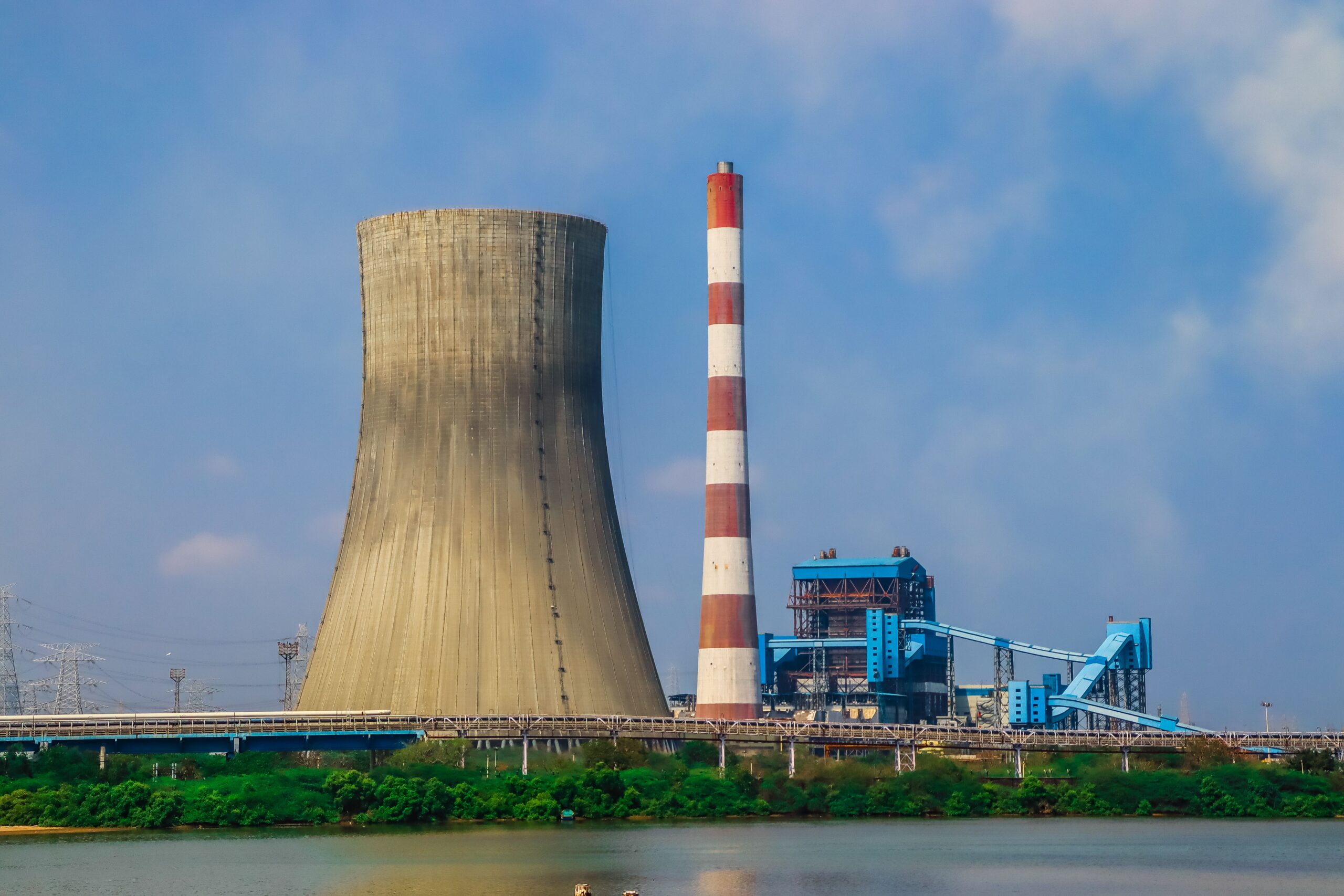
Power Plant Cooling Water Intake Diving: Inspection and Maintenance Essentials
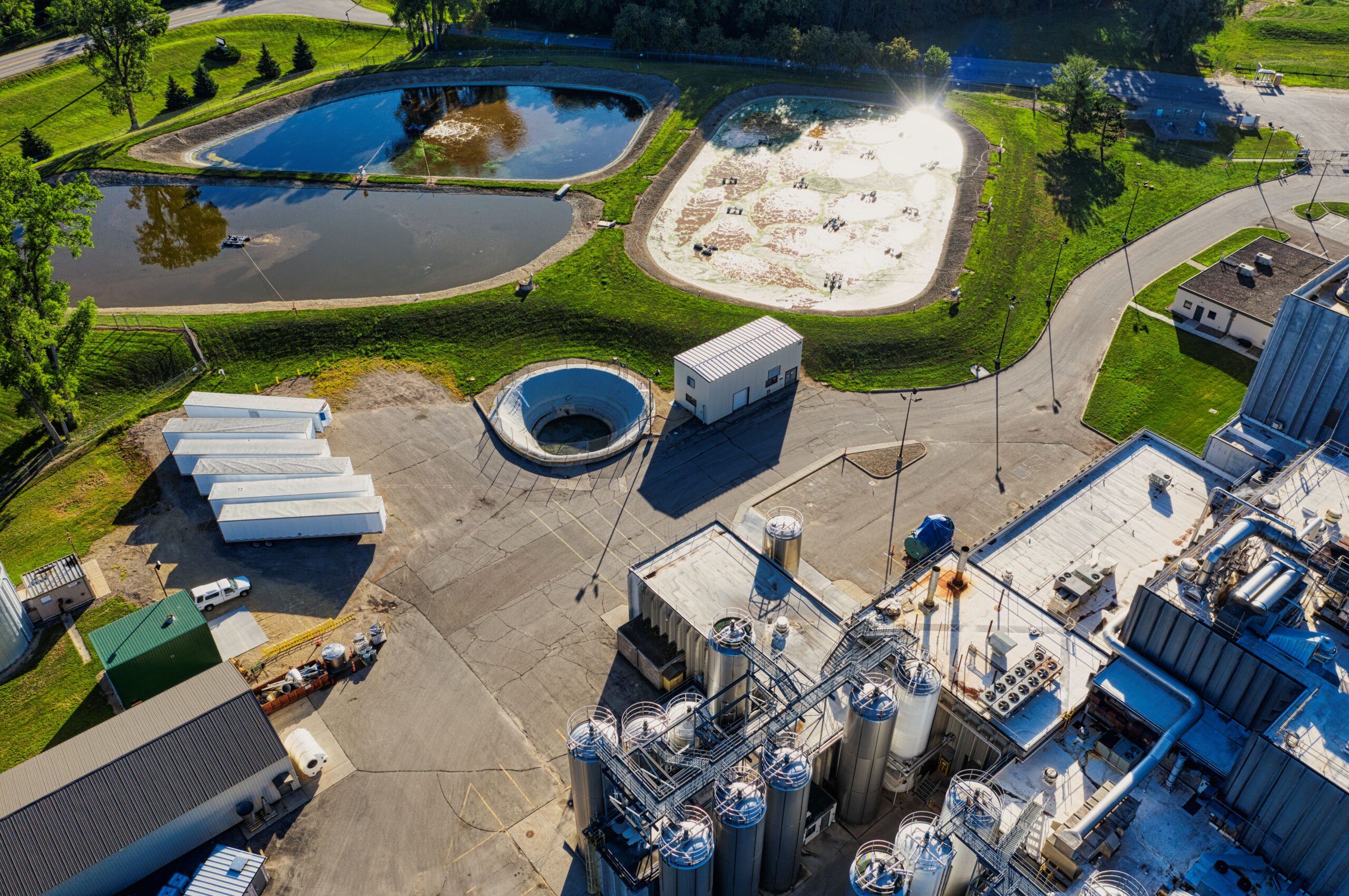
Every power plant that draws cooling water from a river, canal or reservoir depends on an intake structure that almost nobody ever sees. Trash racks, intake screens, culverts and discharge channels sit permanently submerged, and their condition directly affects plant efficiency, environmental compliance and unplanned downtime risk. Power plant cooling water intake diving is how plant operators inspect and maintain that infrastructure without draining the intake or interrupting the cooling cycle the plant depends on. For engineering and maintenance teams responsible for this kind of asset, knowing what a proper inspection covers and what maintenance work can realistically be done underwater helps avoid both unnecessary outages and overlooked defects.
Why Cooling Water Intake Diving Is a Specialist Discipline
Cooling water intake structures face a specific combination of operating conditions that most general underwater work does not. Continuous flow through the intake can create strong currents directly at the point divers need to work, trash racks and screens accumulate biological growth and debris that must be cleared without damaging the structure, and intake culverts are frequently narrow, low-visibility spaces that demand controlled, methodical search techniques.
On top of that, most of this work has to happen while the plant continues operating, which means the dive team must coordinate closely with plant control staff and work around systems that cannot simply be switched off for convenience. Divers working on live industrial sites also need to follow the plant’s own permit-to-work and lockout procedures, which adds a layer of coordination that general commercial diving contractors do not always have experience managing.
What Inspection and Maintenance Covers
A typical scope for power plant cooling water intake diving includes trash rack and screen condition surveys, debris and biofouling removal from intake structures, culvert and tunnel inspection using diver video and still photography, corrosion assessment on steel trash racks, gates and support structures, and sediment depth checks that can affect intake flow capacity over time. Where damage or heavy fouling is found, many of these issues can be addressed directly by the same dive team, such as clearing blocked screens or carrying out localised repairs, rather than requiring a separate contractor mobilisation once the inspection is complete.
Why Deferred Maintenance Costs More Than It Looks
Deferred maintenance on intake structures tends to show up first as reduced plant efficiency rather than an obvious failure. A partially blocked trash rack increases the pressure drop across the intake, which can reduce cooling water flow and, over time, affect plant output or increase pumping energy costs. Left unaddressed for long enough, fouling or structural degradation can also create conditions for a more serious unplanned shutdown. Because these effects build up gradually, a scheduled underwater inspection programme, rather than waiting for a measurable performance drop to trigger action, is what keeps intake-related losses from becoming a recurring line item in plant maintenance budgets.
Reporting matters as much as the dive work itself on these projects. Plant engineering teams need inspection findings tied to specific structural elements and compared against prior survey data, so that a gradual trend such as rising sediment levels or progressive corrosion is visible before it becomes a problem rather than only after. A contractor that documents each inspection consistently, using the same reference points and condition rating system every time, makes it possible to track asset condition over years rather than treating each visit as a standalone event.
Plant engineers evaluating a diving contractor for this kind of work should look for a team with documented experience on industrial and energy sector sites specifically, since working safely around an operating plant requires coordination protocols that general commercial diving contractors may not be set up for. It is also worth confirming that the contractor can handle both the inspection and any follow-up remedial work in the same mobilisation, since splitting those two scopes across separate contractors usually adds cost and delay without adding value.
Industry Applications — Where We Work
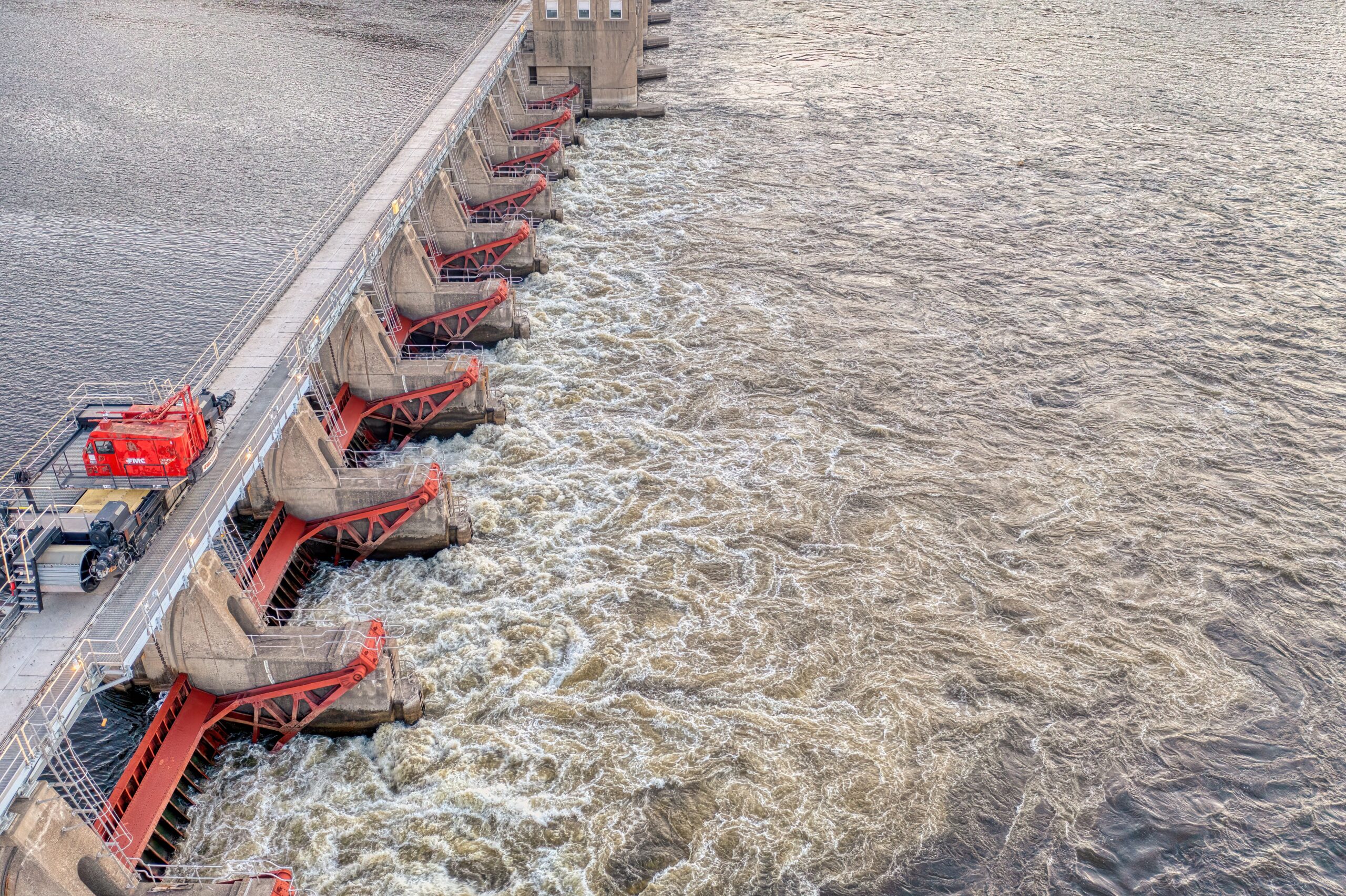
TUF International supports inspection and maintenance diving across infrastructure sectors including power plant cooling water intake diving and process water diving for industrial and energy sector clients through our industrial and energy sector diving services, structural condition surveys and repair support for bridges, dams and waterway structures through our civil engineering diving contractor services, intake and outfall inspection work through our water utility pipeline diving services, quay wall, berth and navigation structure surveys via our ports and harbor diving services, and tank, pipework and containment diving through our chemical facility diving services.
Conclusion
A cooling water intake is only as reliable as the structure sitting below the waterline, and that structure cannot be assessed from the surface. Regular power plant cooling water intake diving keeps trash racks, screens and culverts clear and gives engineering teams the condition data they need before a small issue becomes a plant efficiency problem. To discuss an inspection or maintenance scope for your facility, contact TUF International for a no-obligation consultation.