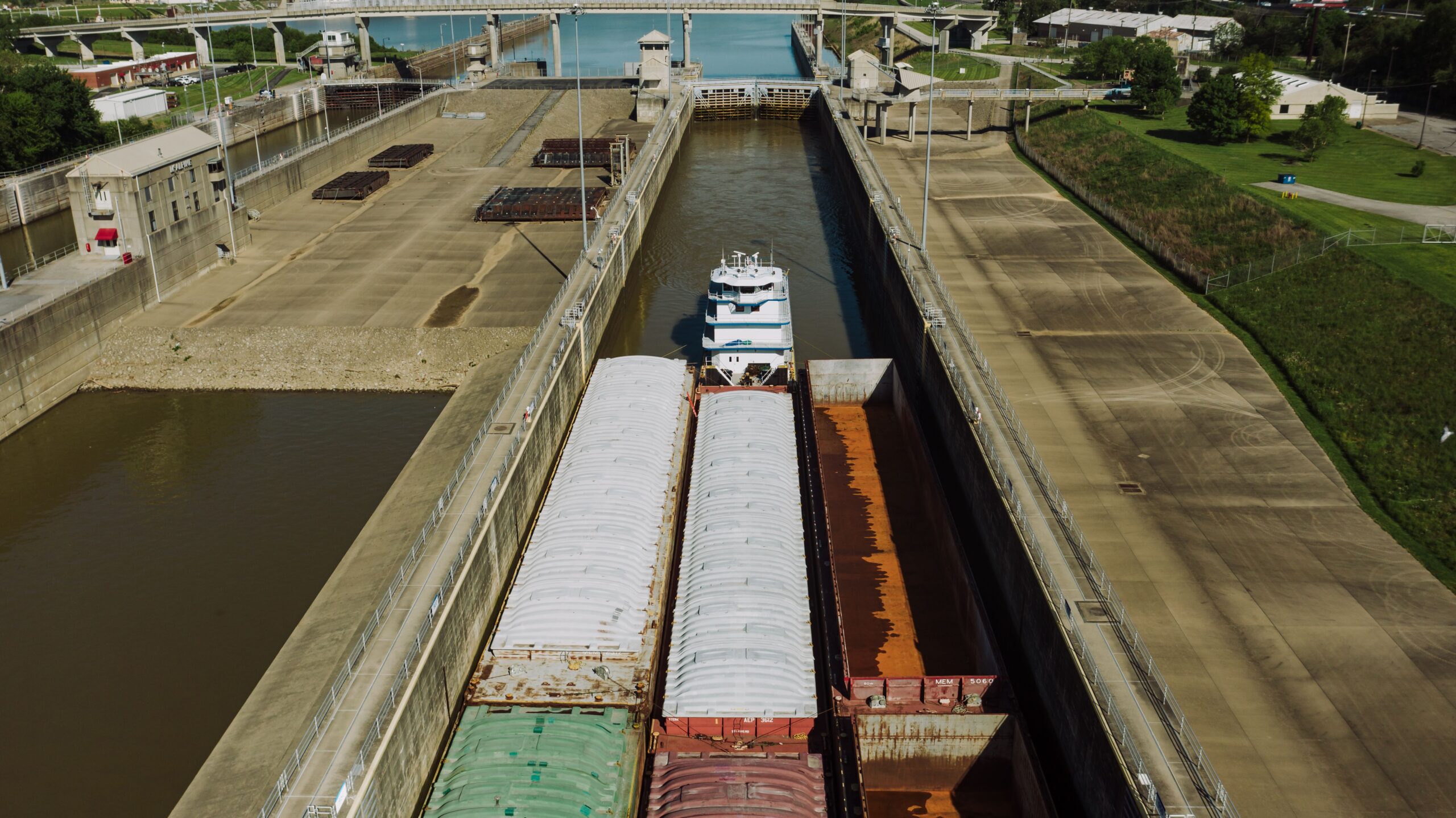
Canal and Lock Gate Diving Maintenance for Germany’s Inland Waterways
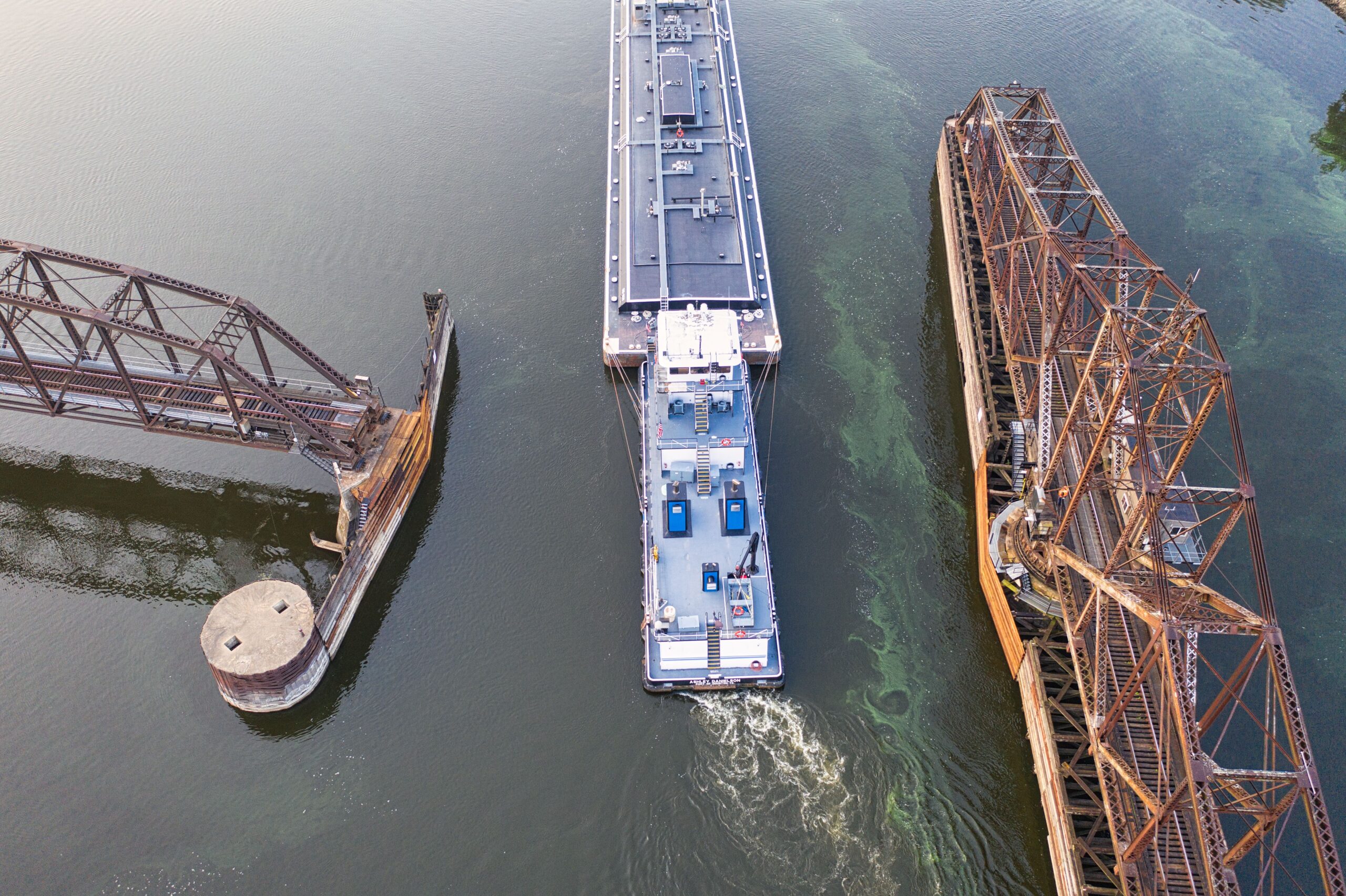
Germany’s inland waterway network moves a significant share of the country’s industrial freight, and almost none of that depends on open rivers alone. Locks, weirs and canal sections carry barge traffic across elevation changes and between river systems, and every one of those structures has underwater components that cannot be maintained from the bank. Lock and canal diving services are what keep gates, sills, fenders and lock chambers functioning without taking the waterway out of service for weeks at a time. For operators and civil engineers responsible for this infrastructure, understanding what underwater maintenance actually involves helps in planning realistic inspection cycles and budgeting for the right contractor.
Why Germany’s Inland Waterways Depend on Underwater Maintenance
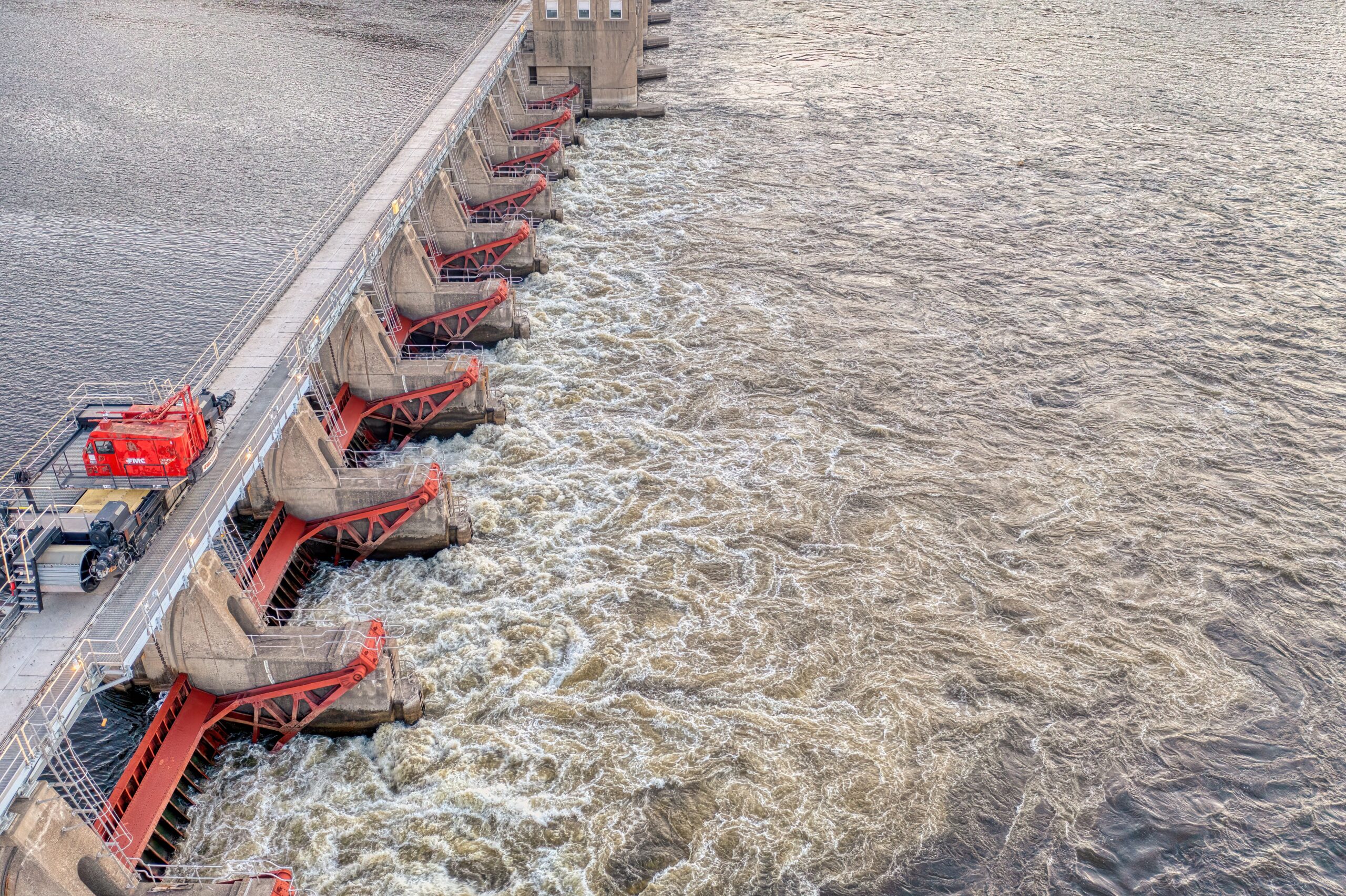
A lock is a mechanically active structure operating below the waterline every time a vessel passes through it. Gate seals wear, sills accumulate sediment and debris, and hydraulic components can be damaged by grounding or impact from barge traffic. Canal sections themselves also need periodic condition checks on bank revetments, culverts and any submerged utility crossings. Because locks typically cannot be fully drained without major disruption to freight schedules, in-water diving inspection and intervention is the only practical way to assess and maintain most of these components on a working timeline, particularly on waterways that run close to capacity for much of the year.
What Lock and Canal Diving Services Cover
In practice, this covers the same core scope as any lock chamber diving inspection: gate seals, sill plates, chamber walls, and the mechanical gear that keeps a lock cycling. What matters more for a waterway operator planning years ahead is not the inspection checklist itself, but how that work fits into a broader asset management plan, which is the real challenge covered below.
Maintenance Challenges Specific to Locks and Canals
Locks and canals present a distinct set of operational challenges compared with open-water diving. Visibility is frequently poor due to sediment disturbance from vessel traffic, currents through gate openings can be strong and unpredictable, and divers often work in confined spaces between gate leaves or around mechanical gear that must remain isolated during the dive.
Scheduling is also tighter than on most infrastructure projects, since lock operators want inspection windows that minimise disruption to commercial traffic, which usually means working around a live operating schedule rather than a full shutdown. A contractor unfamiliar with lock environments can both underestimate the time required and create safety risks around energised or pressurised systems that a specialist team would isolate as standard practice before any diver enters the water.
Germany’s canal network is also ageing in parts, with many structures originally built decades ago and now carrying far higher traffic volumes than they were designed for. That combination makes consistent underwater monitoring more important, not less, since small issues such as a worn gate seal or a developing scour pocket at a sill can escalate into an unplanned closure if left unchecked between inspection cycles. A structured annual or biennial diving inspection programme, rather than reactive callouts only after a fault appears, gives operators far more control over maintenance budgets and outage planning, and gives engineering teams a documented condition history to support long-term asset management decisions.
When selecting a contractor for this kind of work, operators should look for teams that combine civil engineering diving experience with specific exposure to active lock and canal environments, since the two are not interchangeable. A contractor’s ability to work around a live traffic schedule, isolate mechanical systems safely, and deliver inspection data referenced to the structure’s own drawings matters as much as general diving competence.
Industry Applications — Where We Work
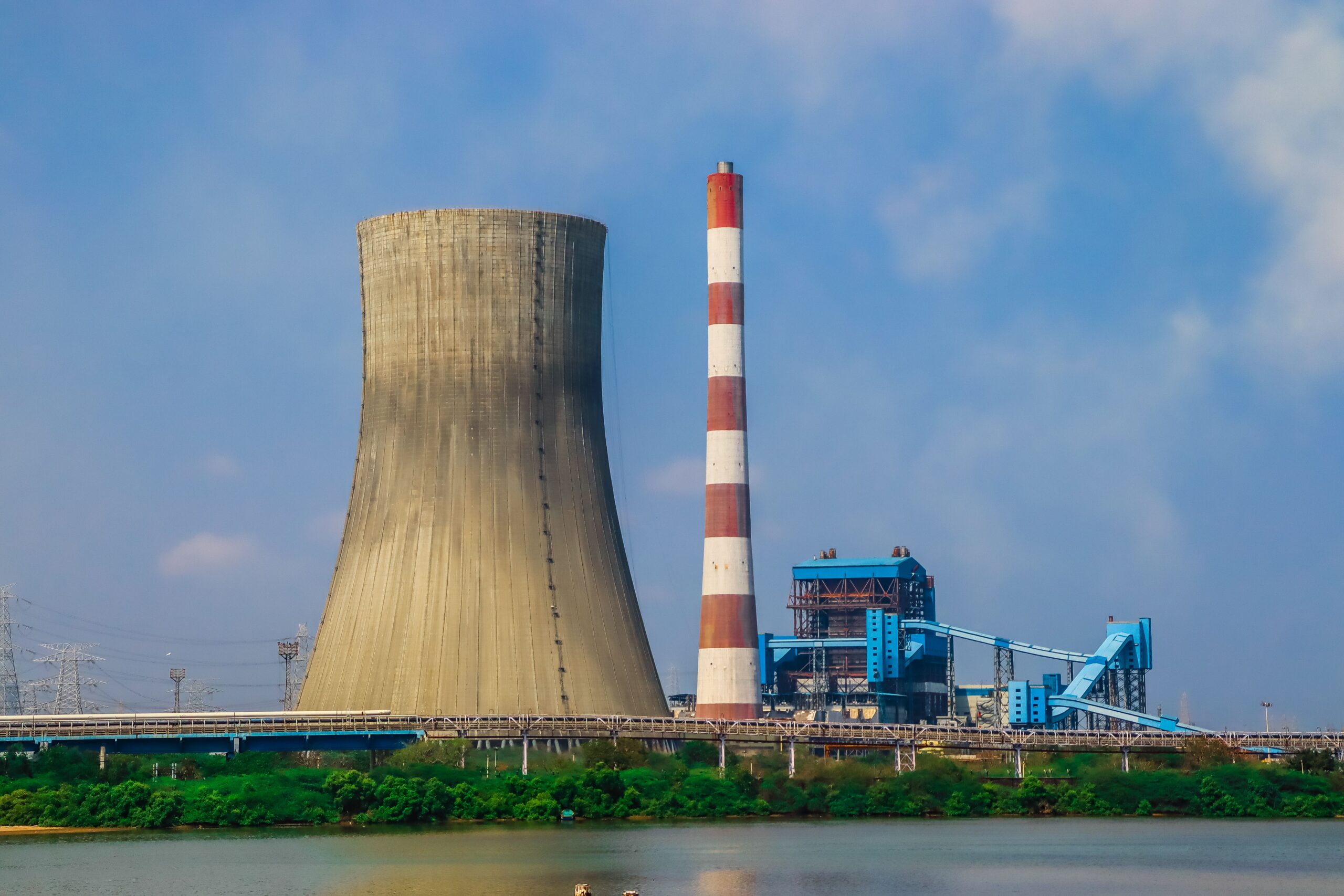
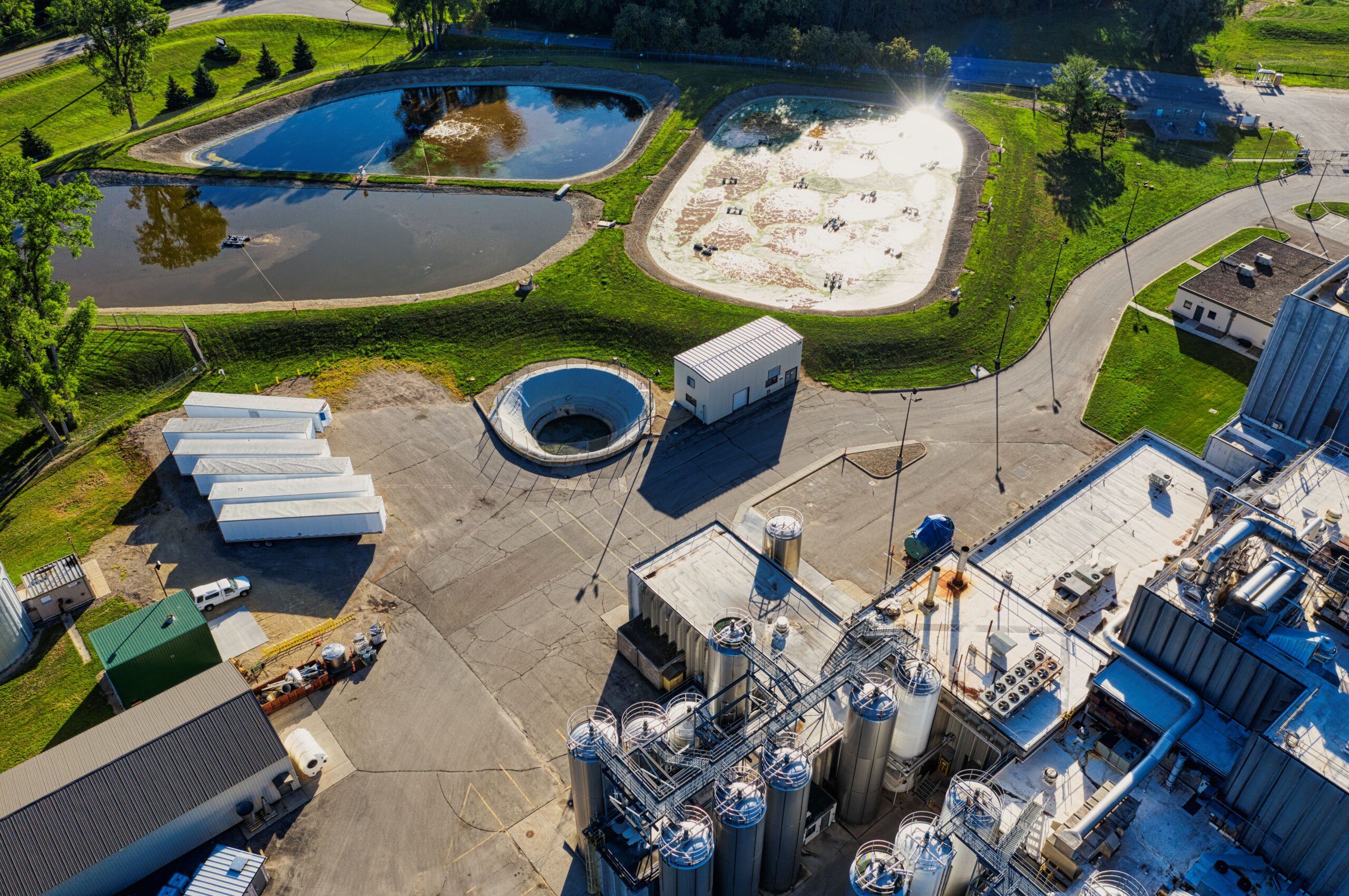
TUF International provides underwater inspection and maintenance diving across infrastructure sectors including structural condition surveys and repair support for bridges, dams, locks and waterway structures through our civil engineering diving contractor services, intake and outfall inspection work through our water utility pipeline diving services, quay wall, berth and navigation structure surveys via our ports and harbor diving services, tank, pipework and containment diving through our chemical facility diving services, and cooling water and process water diving under our industrial and energy sector diving services.
Conclusion
Keeping Germany’s locks and canals running depends on maintenance that happens below the surface, where problems are easy to miss until they become expensive. A structured lock and canal diving services programme catches those issues early and keeps freight moving. To discuss an inspection or maintenance scope for your waterway infrastructure, contact TUF International for a no-obligation consultation.