Dam and Hydropower Plant Inspection by Divers: What Operators Need to Know
Why Hydropower Plants Need Regular Diver Inspections
Underwater components at dams and hydropower plants are permanently exposed to water, sediment, and mechanical stress. Corrosion on steel components, erosion on concrete surfaces, and buildup at intake screens and cooling water channels develop gradually and are difficult to detect without an underwater inspection. Trash racks and intake grilles in particular tend to accumulate debris and sediment that restrict flow long before any change is visible from the shore or control room.
If such damage only becomes visible once it affects operational safety, the repair is typically far more extensive and costly than early intervention would have been. A small area of corrosion on a gate seal, left unchecked, can eventually compromise the seal’s ability to hold back pressure. Regular diver inspections provide the basis for identifying this kind of damage before it becomes a safety or operational risk, and for planning maintenance windows around actual condition rather than guesswork.
The Process of a Hydropower Plant Underwater Inspection
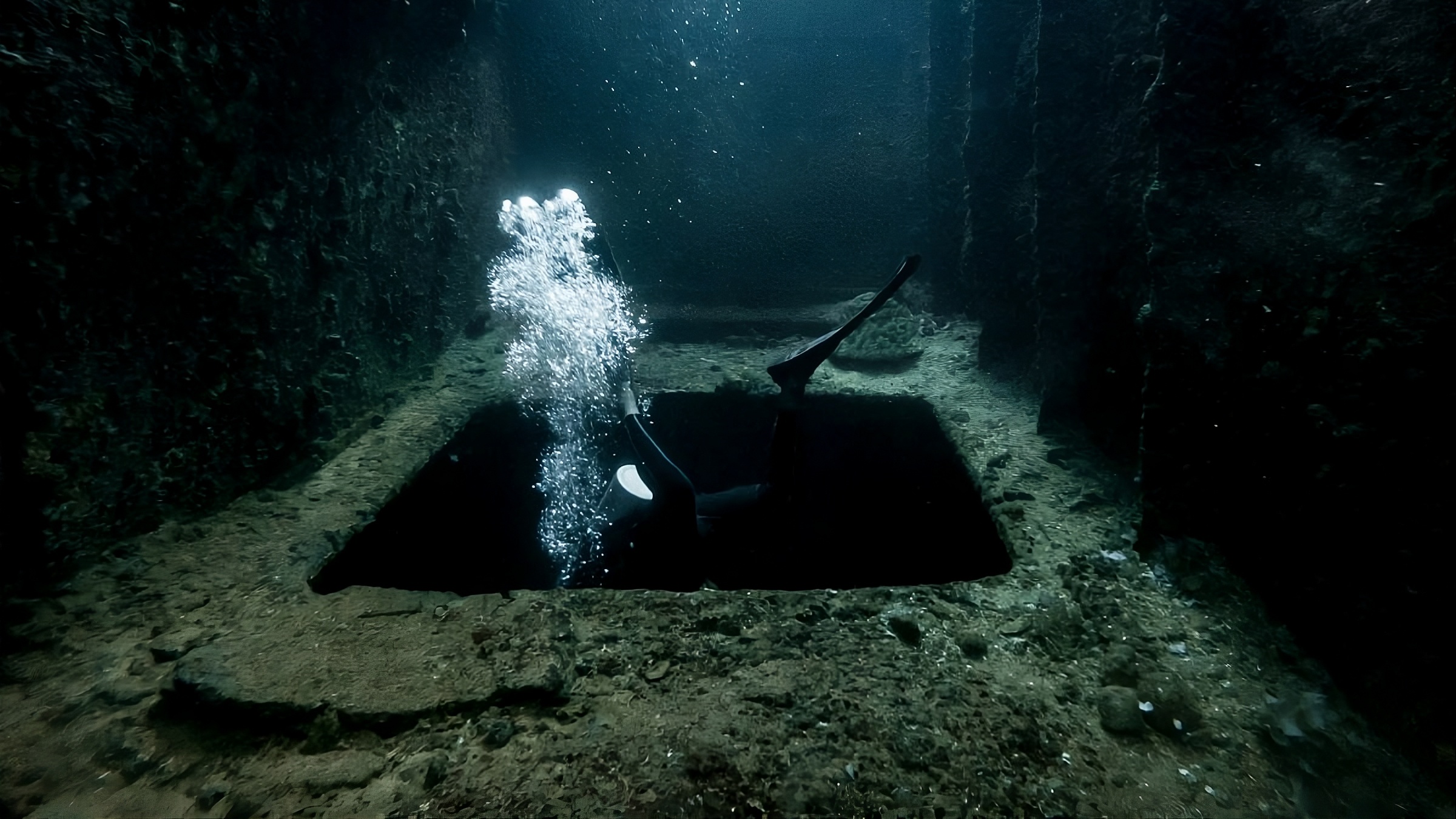
A typical plant inspection begins with a visual survey of accessible underwater components, often supported by video and photo documentation for later review by engineers and inspectors. This gives operators a baseline record that can be compared against future inspections to track how a structure changes over time.
This initial survey is followed by targeted detail checks, such as exposing and examining welds, checking seals on gates and closures, or clearing buildup at intake structures to reveal hidden damage. Divers may also take manual thickness readings on steel components, or use touch and feel to assess concrete surfaces in low-visibility conditions where a camera alone cannot confirm structural condition.
Depending on the findings, the dive team then carries out repair work such as underwater welding, sealing, or cleaning of cooling water channels directly, or documents the findings for a scheduled repair during a planned outage. The choice between immediate repair and scheduled maintenance usually comes down to whether the defect poses an active risk to the facility’s safe operation.
Legal Requirements and Safety Standards
Commercial diving work in Germany is subject to the requirements of DGUV §40. TUF International meets these requirements and additionally operates to IMCA-aligned safety standards, giving operators a defensible basis for inspection reports submitted to regulators, insurers, and internal technical review.
Dam structures also carry facility-specific structural safety requirements, which is why every dive inspection’s documentation should be prepared so it can be directly incorporated into existing inspection reports and safety certifications. For many operators, these underwater inspections form part of a broader periodic dam safety review, and having documentation that slots directly into that review saves engineering time and avoids gaps in the compliance record.
Where TUF International Provides Diving Services
TUF International carries out diver inspections and underwater work in 154+ countries, covering a broad range of infrastructure:
- Energy producers and industrial operators use our industrial and energy sector diving services for intake structures, cooling water channels, and process infrastructure.
- Structures such as bridges, tunnels, and locks are supported by our civil engineering and infrastructure diving services.
- Facilities handling aggressive or hazardous media rely on our chemical facility diving services for tank and containment inspection.
- Municipal operators depend on our water and wastewater utility diving services for treatment plant and reservoir inspection.
- Port authorities and waterway operators commission our ports and harbor diving services for quay wall and sheet pile inspection.
The Right Partner for Hydropower Plant Inspection
Reliable hydropower plant inspection starts with a diving contractor who understands both the technical requirements of the facility and the applicable legal inspection requirements, and reflects that in documentation operators can use directly. The right partner also mobilizes quickly for both scheduled inspection cycles and unplanned condition checks after unusual events such as flood conditions or a suspected impact to a submerged structure.
If you are planning a diver inspection for your hydropower plant or dam, contact TUF International for a no-obligation consultation and let’s define the right scope for your facility together.