Quay Wall and Sheet Pile Inspection: Why Regular Diver Inspections Are Mandatory
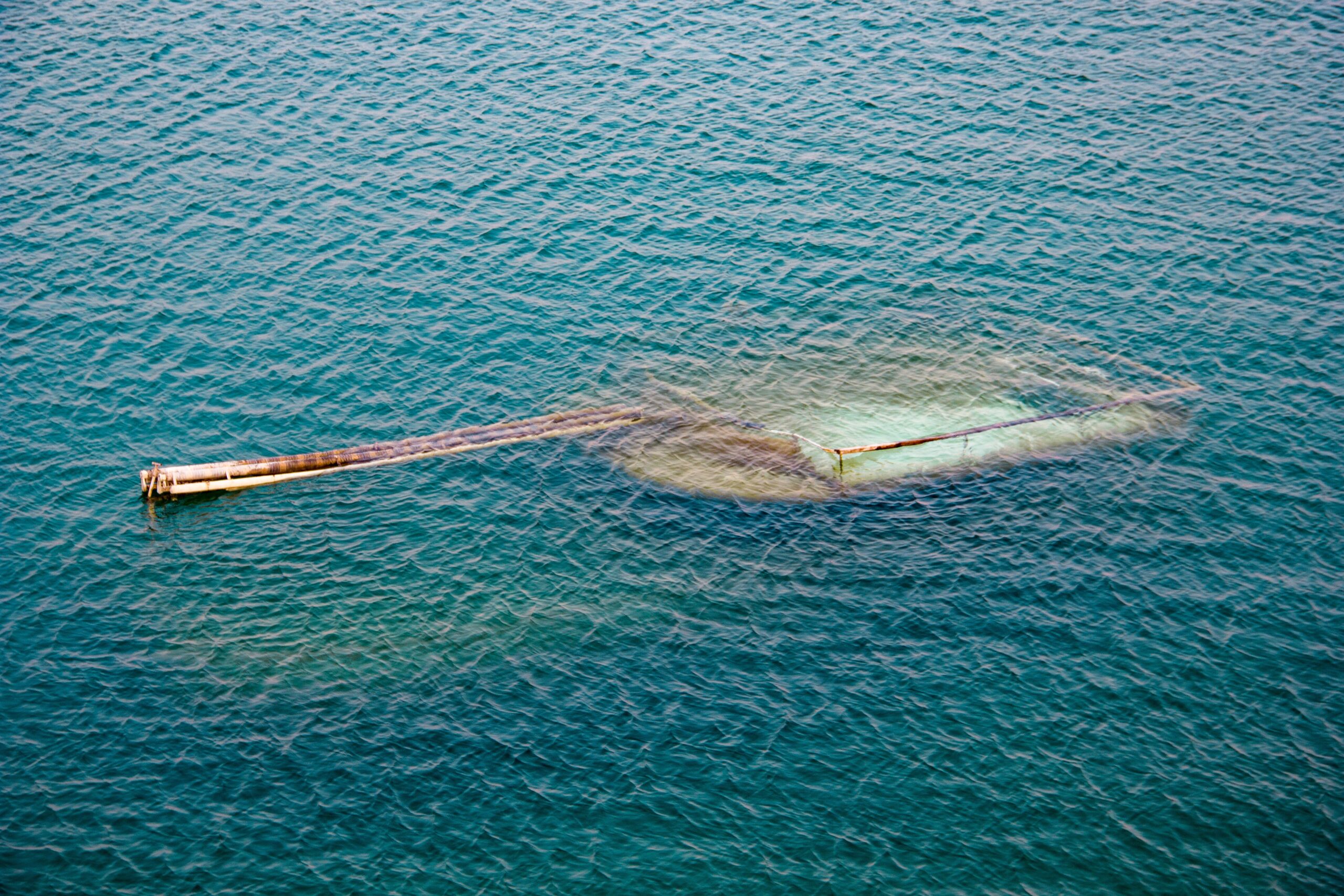
What looks intact above the waterline may already be compromised below. Quay walls, sheet piles, and pile structures are permanently exposed to mechanical stress, corrosion, and biological fouling, damage that isn’t visible from the surface. Anyone who operates and maintains these structures cannot avoid diver inspections. Not by choice, but because regulations require it, and because the alternative is more expensive.
What a diver inspection at port facilities actually covers
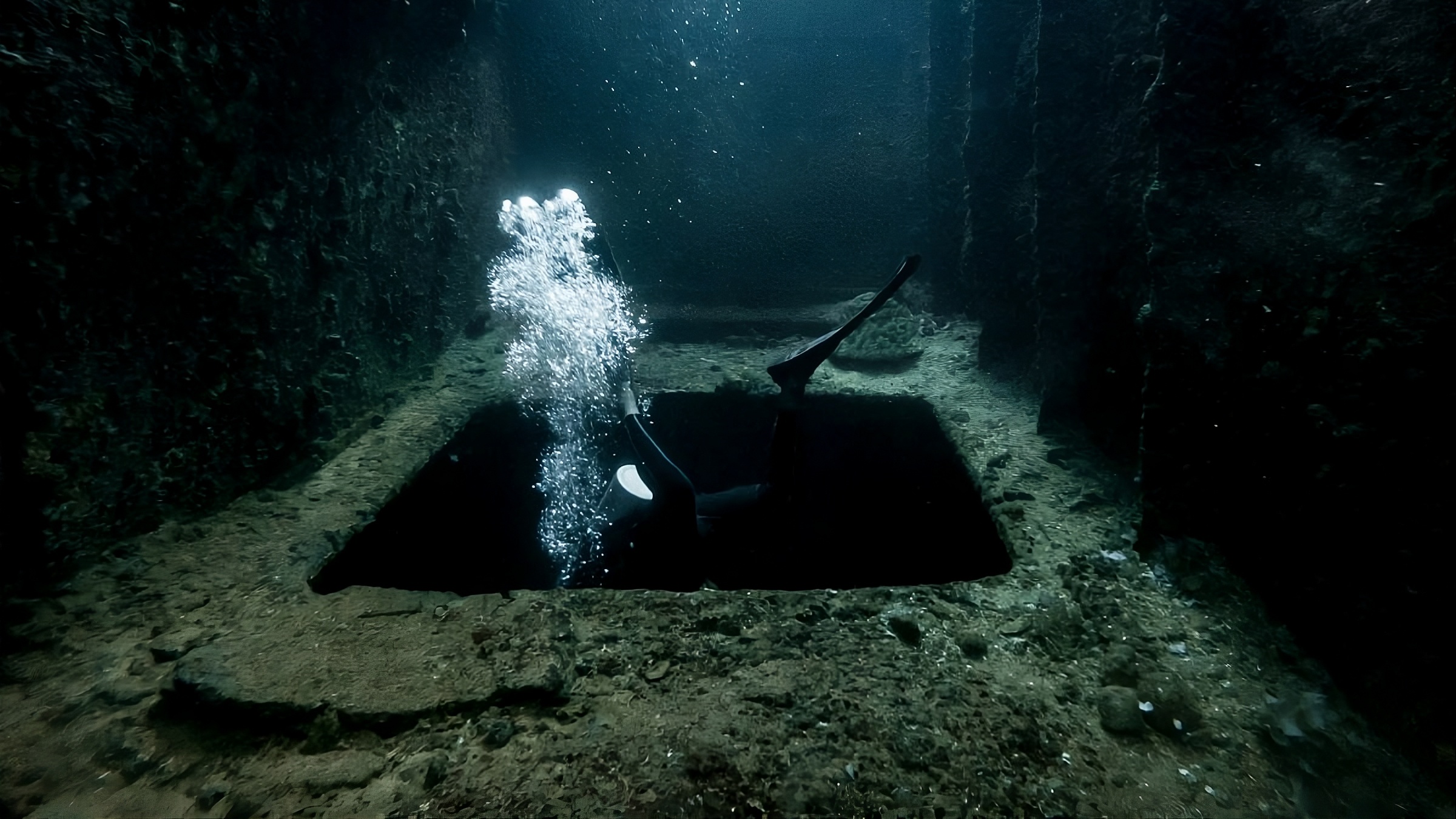
A sheet pile inspection by professional divers is not a superficial visual check. The diver works systematically along the underwater structure, records every relevant finding, and documents it in text, images, and video. What is specifically examined:
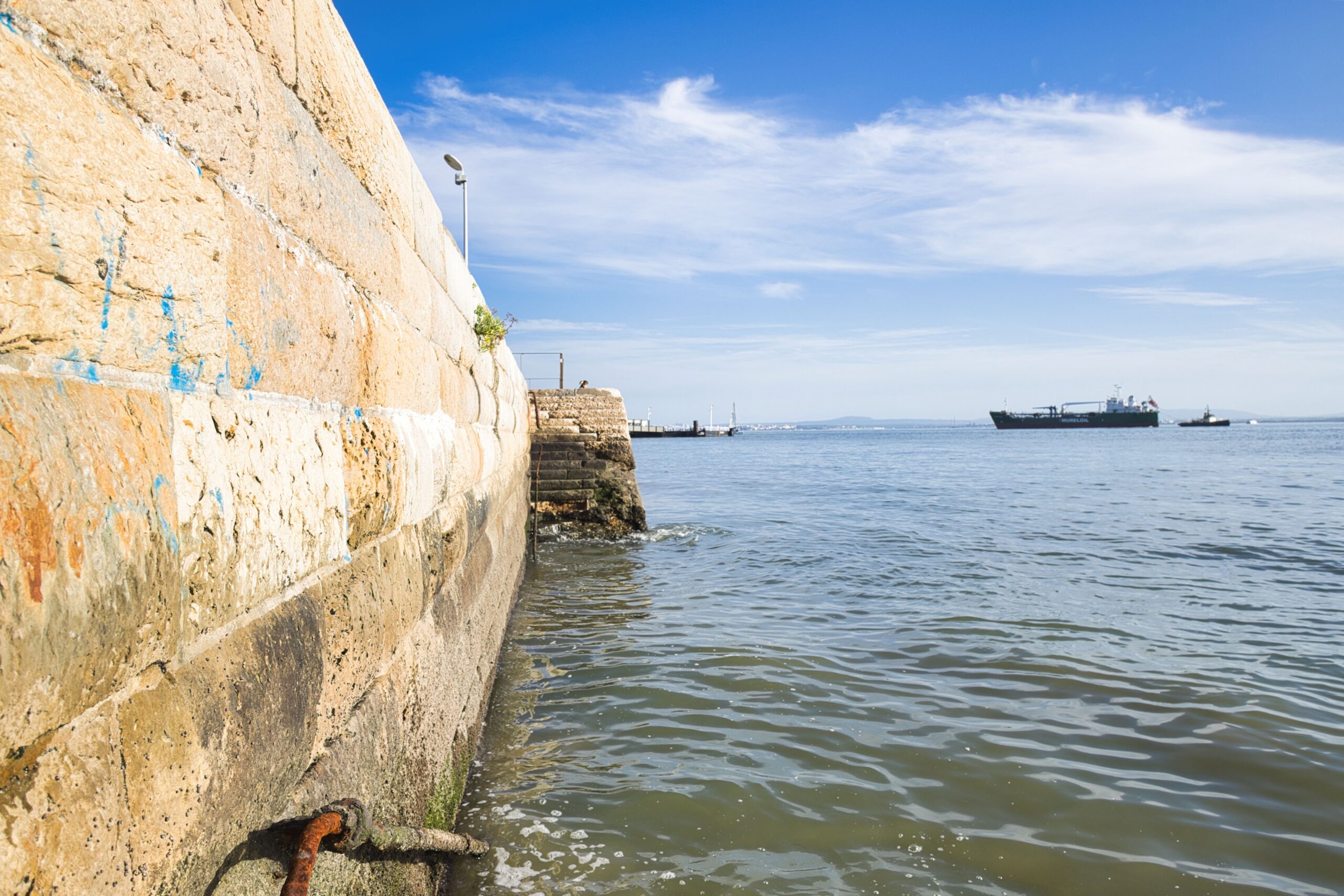
Quay walls and shore reinforcements: cracks, scouring, joint openings, and material loss, especially in foundation areas that are permanently stressed by ship propeller wash and current.
Sheet piles: degree of corrosion according to DNVGL or NACE standards, deformations in the interlock area, damage to tie rods and walings, and wall thickness development compared to the original construction plans.
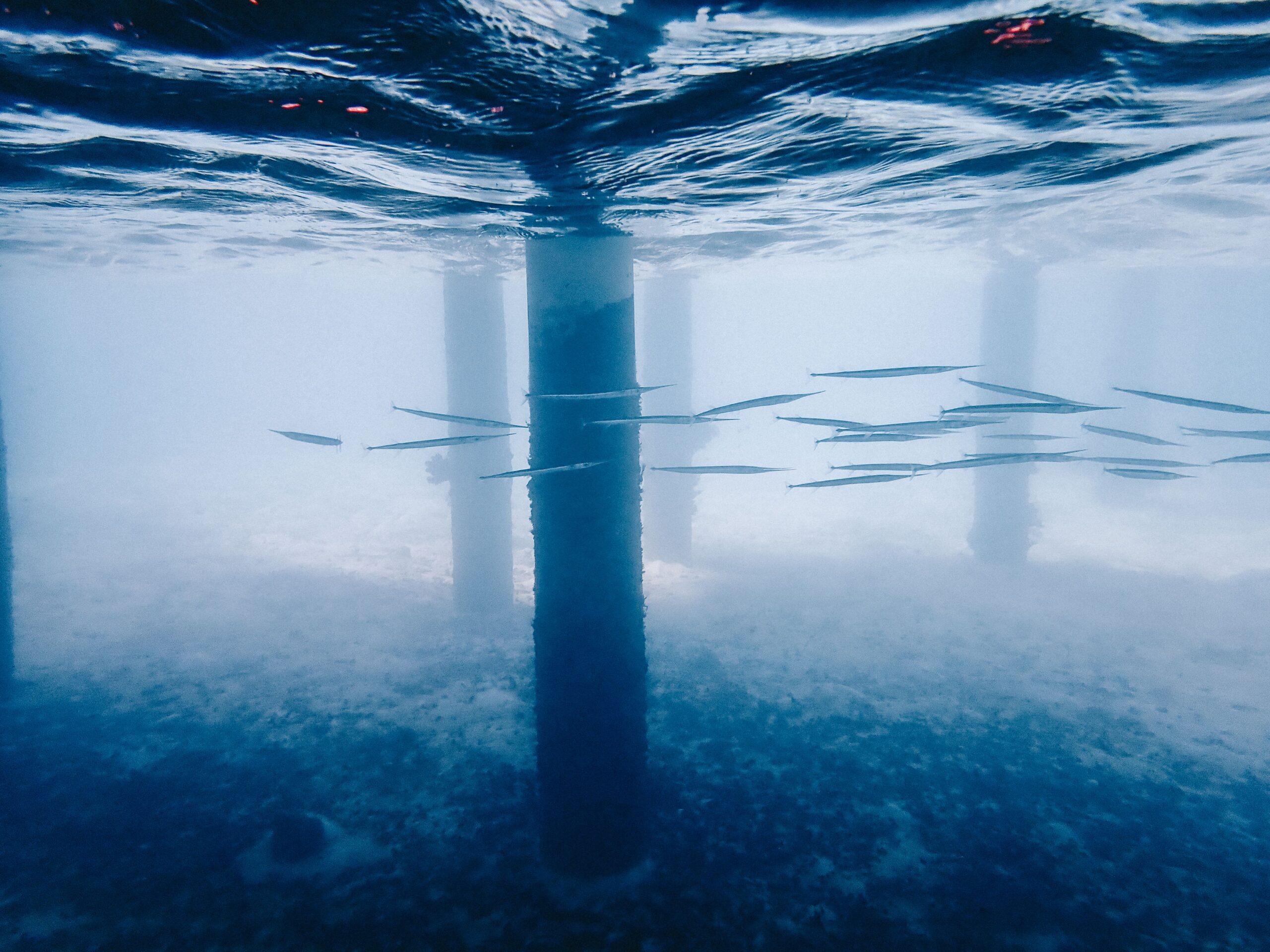
Piers and dolphins: reinforcement corrosion, concrete spalling, crack depth, and biological fouling, which complicates condition assessment and must be removed.
Connecting elements: chain links, bolted connections, and welds on underwater anchors, all checked for wear and failure.
Documentation: photo documentation by dive section, video recording of the entire survey, findings report classified by urgency. This is the basis on which the operator makes decisions, not a two-page summary with phone photos.
The legal requirements: What operators need to know
DIN 1076 prescribes main inspections for engineering structures in road and waterway construction on a six-year cycle, with intermediate inspections every three years. Underwater components are explicitly included. Anyone who carries out these inspections without a diver inspection does not meet the standard.
In addition, there are the requirements of the Federal Waterways and Shipping Administration (WSV) for facilities on federal waterways, the Ordinance on Industrial Safety and Health for installations requiring monitoring, as well as state water-law regulations. These regulatory frameworks interlock. An operator who is aware of only one source typically has a gap.
The diving work itself is subject to DGUV Regulation 40 and BGR 237. This means: a written diving operations plan before work begins, a qualified diving supervisor on site, an emergency plan, and first-aid equipment at the work site. Clients who commission a company that does not meet these requirements bear shared liability in the event of damage. This is not a theoretical risk. It is established case law.
Where TUF International inspects port facilities and waterways
TUF International carries out underwater inspections and maintenance work on port facilities, locks, and hydraulic infrastructure in Germany and worldwide. Our areas of operation at a glance:
- Port and harbor infrastructure diving services for quay walls, sheet piles, dolphins, fenders, and other underwater structures in port operations
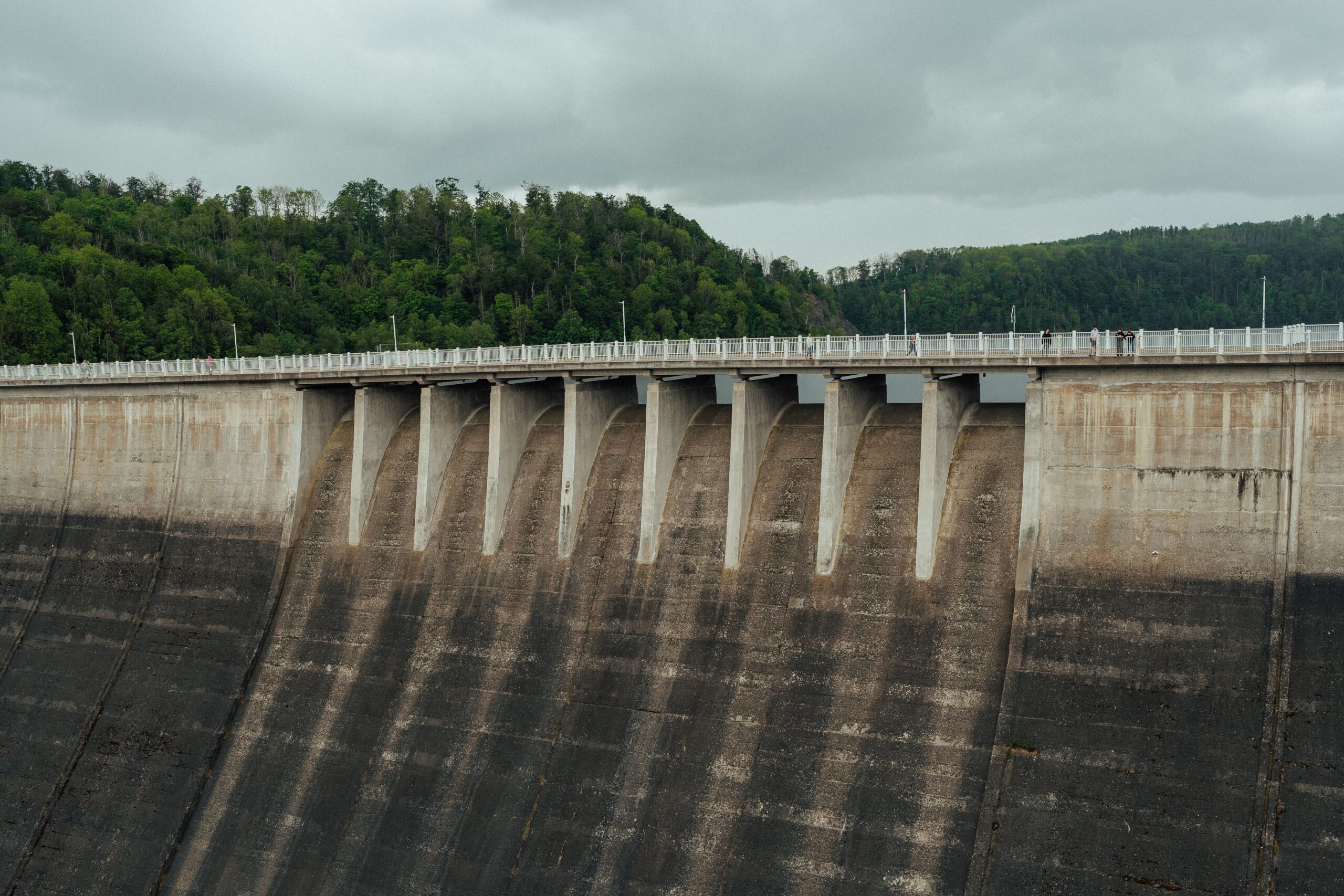
- Hydraulic engineering and infrastructure for underwater bridge inspection, lock inspection, and dam surveys
- Industry and energy for power plants, waterworks, and industrial facilities with underwater access
- Water and wastewater management for treatment plants, water tanks, and pipeline systems
- Chemical facilities for specialized diving in process basins and facilities with heightened safety requirements
With operations in over 154 countries, TUF International brings the experience that makes the difference in complex underwater projects, between an inspection that holds up in court and one that doesn’t.
When the right time for an inspection is
There are four situations in which a diver inspection should not be postponed.
First: The regular cycle under DIN 1076 has been reached or is approaching. Anyone who waits until it is formally overdue has already missed an inspection obligation.
Second: The structure has experienced an extreme event, for example flooding, ice drift, a vessel collision, or unusually strong current loading. Visible damage above the waterline is not a reliable indicator of the condition below.
Third: A repair measure is planned. A condition survey before work begins protects the client legally and gives the contractor the basis on which to work.
Fourth: There are concrete indications of problems, such as changed settlement, cracks in the visible area, water leakage, or anomalies in the sounding profile. In these cases, the question is not whether, but when.
Commission a diver inspection
If you would like to have a quay wall, sheet pile, or port facility inspected, on a regular schedule or at short notice, contact TUF International for a no-obligation consultation regarding your project.