Коммерческие водолазные работы в Германии: Регулирование и на что обратить внимание при выборе подрядчика
Германия имеет одну из самых строгих нормативных баз для коммерческих подводных работ в Европе. Для владельцев проектов, управляющих объектами и групп по закупкам, которые заказывают подводные работы, понимание правовой базы не является необязательным — оно напрямую влияет на ответственность, действительность страховки и безопасность всех на объекте.
В данном руководстве подробно рассмотрены основные нормативные акты, регулирующие коммерческое подводное плавание в Германии, а также описано, чем отличается надежный и компетентный подрядчик от того, кто подвергает риску ваш проект и вашу организацию.
Нормативная база: DGUV Vorschrift 40
Основой регулирования коммерческого дайвинга в Германии является Правила DGUV 40 “Подводные работы” (Операции водолазов), выпущенный Германским законодательным страхованием от несчастных случаев — немецким органом обязательного страхования от несчастных случаев. Он является обязательным для любой компании, которая осуществляет или заказывает водолазные работы на территории Германии.
DGUV Vorschrift 40 устанавливает минимальные требования в четырех областях:
Квалификация дайвера: Все профессиональные водолазы должны иметь признанные сертификаты коммерческого дайвинга. На каждой операции должен присутствовать назначенный руководитель водолазных работ.
Стандарты оборудования: Для большинства коммерческих работ обязательны системы подачи воздуха с поверхности, полнолицевые маски или шлемы, системы связи и обеспечение подводного водолаза. Использование только аквалангов строго ограничено.
Медицинская справка Каждый водолаз должен иметь действующую медицинскую справку G31 — результаты специализированного медицинского осмотра, предназначенного специально для профессиональных водолазов, который необходимо проходить через определенные промежутки времени.
Документация: По каждой операции должен вестись бортовой журнал погружений, наряду с оценкой рисков для конкретного места и письменным планом действий в чрезвычайных ситуациях.
Важно, что DGUV Vorschrift 40 дополняется Правило DGUV 103-005, техническое руководство, которое заменило ранее существовавший BGR 237. Вместе эти два документа составляют полную основу для соблюдения требований при коммерческих подводных работах в Германии.
Что это означает для вас как для клиента
Заказ водолазных работ не означает перекладывания ответственности на подрядчика. Немецкий закон о безопасности труда (Arbeitsschutzgesetz) возлагает на заказчика солидарную ответственность за проверку соответствия привлеченного подрядчика установленным стандартам. В случае происшествия ответственность может быть возложена на заказчика, если он не проявил должной осмотрительности.
Перед заключением любого контракта на водолазные работы в Германии вы должны запросить и проверить:
- Документ, подтверждающий квалификацию водолазов для всего персонала, назначенного на ваш проект
- Действительные медицинские справки G31 для каждого дайвера
- Доказательство соответствия оборудования, подаваемого с поверхности, стандартам DGUV
- Предварительно подготовленная оценка риска на конкретном объекте
- План действий в чрезвычайных ситуациях и спасательных работ, включающий ближайшую гипербарическую камеру
- Страхование коммерческой ответственности, покрывающее водолазные работы
Это не формальная бюрократия. Эти документы — ваше доказательство должной осмотрительности и ваша защита, если что-то пойдет не так.
На что обратить внимание при выборе подрядчика по коммерческому дайвингу
Помимо соответствия базовым требованиям, качество услуг коммерческого дайвинг-подрядчика значительно различается. Вот что отличает профессиональные операции от тех, которые просто соответствуют минимальному порогу.
Прозрачная документация с самого начала Надежный подрядчик предоставит подтверждающую документацию до начала работ, не дожидаясь повторной просьбы. Если компания не хочет предоставлять данные о квалификации дайверов, протоколы проверки оборудования или страховые полисы, это следует рассматривать как серьезный сигнал тревоги.
Реальная оценка рисков — не шаблон DGUV Vorschrift 40 требует проведения оценки рисков на каждом объекте для каждой операции. Это означает, что квалифицированный руководитель водолазных работ должен оценить конкретные условия на вашем объекте: качество воды, видимость, течение, риски нахождения в замкнутом пространстве, близость работающего оборудования, потенциальное загрязнение. Типовой документ, скопированный из предыдущего проекта, не соответствует стандарту.
Опыт работы в конкретной отрасли Промышленное водолазно-подводное дело охватывает широкий спектр условий работы, каждая из которых сопряжена со своими опасностями. Подрядчик, имеющий опыт проведения инспекций портовой инфраструктуры, работает в условиях, кардинально отличающихся по уровню риска от тех, в которых работает специалист, занимающийся проверками химических объектов или гидротехнических сооружений, находящихся под давлением. Опыт работы в конкретной отрасли имеет большое значение.
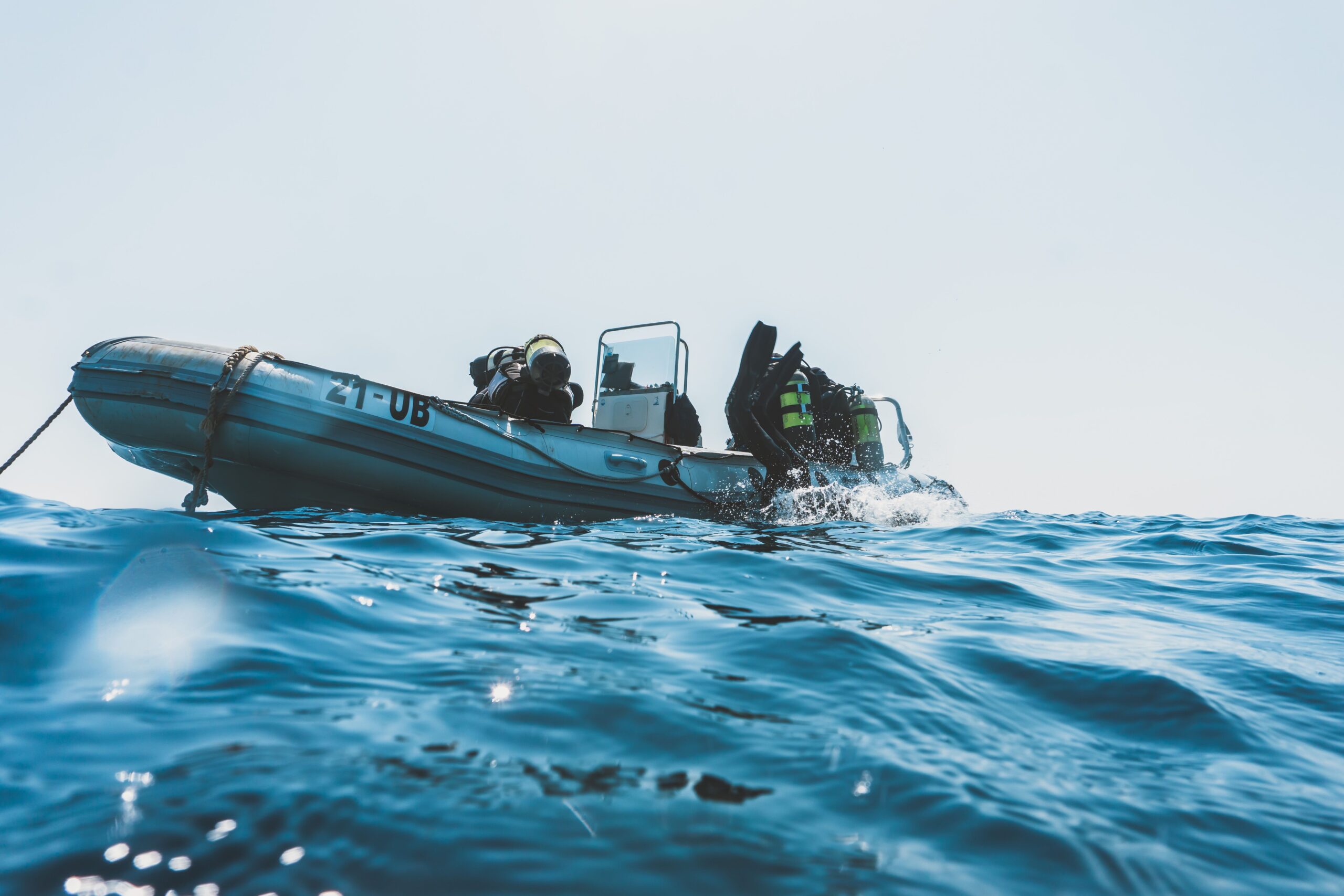
Положение о резервных водолазах Согласно DGUV Vorschrift 40, во время работ должен присутствовать водолаз-наблюдатель — полностью экипированный и готовый к спуску. Это не подлежит обсуждению. Любой подрядчик, предлагающий работать без него, не соответствует требованиям.
Четкое общение и координация проекта Дайвинговые работы требуют координации с вашей общей площадкой: изоляции притоков, остановки соседних заводских операций, управления судоходным движением, инструктажа вашей собственной команды по безопасности. Профессиональный подрядчик будет управлять этим процессом проактивно, а не реактивно.
Промышленное применение
Коммерческое подводное плавание в соответствии с правилами DGUV Vorschrift 40 применяется в широком спектре отраслей. TUF International предоставляет полностью соответствующие нормам услуги по подводным работам во всех следующих областях:
- Промышленность и энергетика: Будучи подрядчиком по подводным работам в энергетическом секторе, TUF осуществляет инспекцию и техническое обслуживание водозаборных сооружений, турбинного оборудования и промышленных систем водоснабжения. Услуги в области промышленного и энергетического подводного плавания — TUF International
- Гражданское строительство и инфраструктура: Как подрядчик по подводным строительным работам, TUF выполняет подводный осмотр мостов, шпунтовых ограждений, фундаментов и морских сооружений → Проектирование и строительство гражданских сооружений и инфраструктуры. Дайвинг-услуги. TUF International
- Химические объекты: Водолазные работы в условиях загрязнения с полным соблюдением требований по охране труда, здоровья и окружающей среды, проверки баллонов и протоколов работы в опасных средах → Услуги по подводному погружению на химических объектах — TUF International

- Коммунальные предприятия по водоснабжению и водоотведению: Подводно-технические работы на водопроводных сетях, включая обследования действующих очистных сооружений, водохранилищ, напорных трубопроводов и насосных станций Подводные работы для водоканалов и очистных сооружений — TUF International
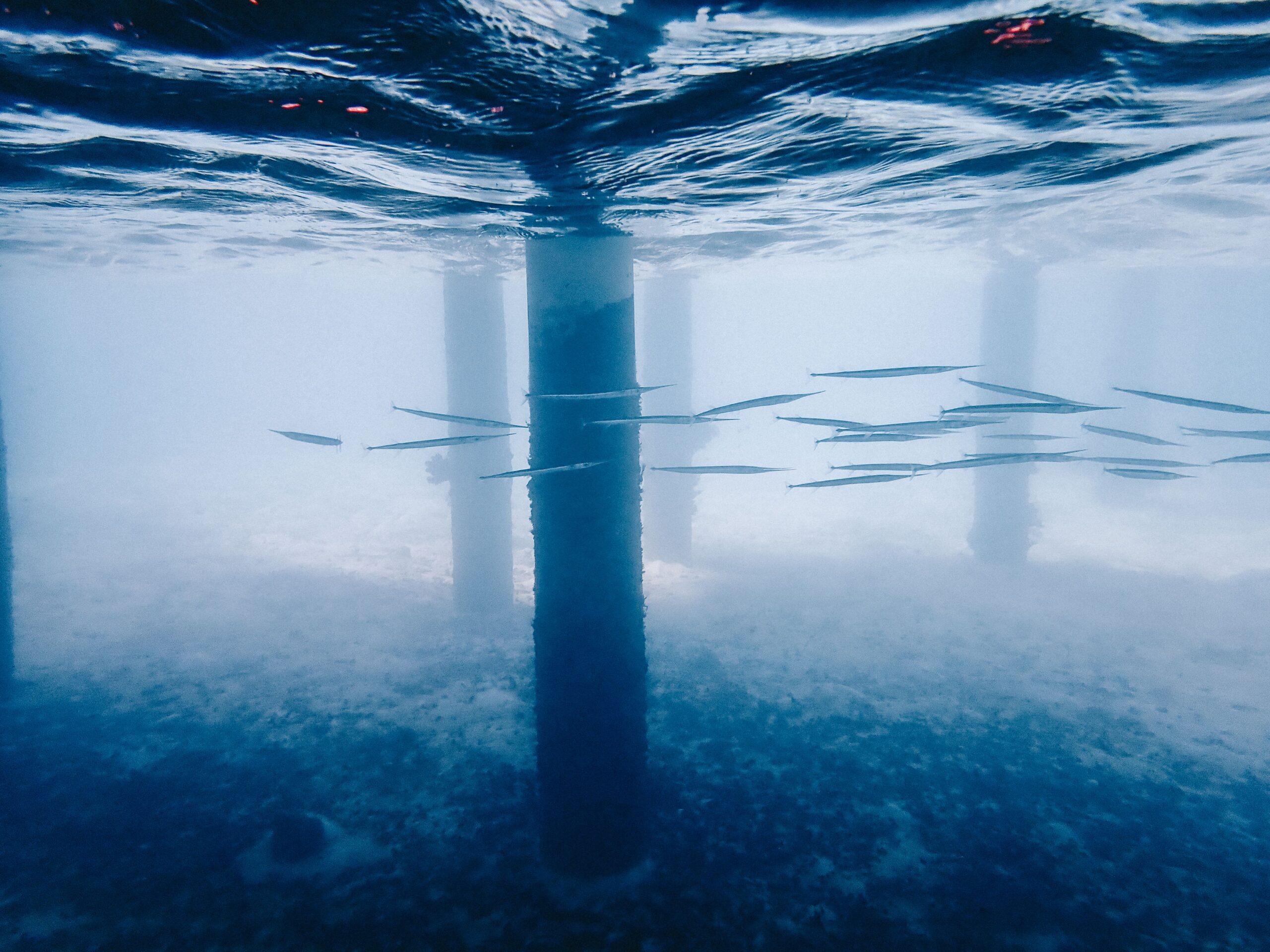

- Порты и гавани: Подводные работы на причальных стенках, сваях, воротах шлюзов и портовой инфраструктуре Услуги по подводному строительству в портах и гаванях — TUF International
Итог
Правила коммерческого дайвинга в Германии существуют, потому что последствия несоблюдения серьезны — как для работников, так и для организаций, заказывающих их работу. DGUV Vorschrift 40 — это не руководство; это закон.
Выбор подрядчика, работающего в полном соответствии с требованиями, защищает ваш проект, вашу ответственность и людей, выполняющих работу. TUF International работает в полном соответствии с DGUV Vorschrift 40 и DGUV Regel 103-005 во всех секторах и типах проектов.
Если у вас есть предстоящий проект, требующий коммерческого дайвинга в Германии, Связаться с TUF International для бесплатной консультации.