الغوص التجاري في ألمانيا: اللوائح وما يجب البحث عنه في المقاول
تطبق ألمانيا أحد أكثر الأطر التنظيمية صرامةً في مجال الغوص التجاري في أوروبا. وبالنسبة لأصحاب المشاريع ومديري المرافق وفرق المشتريات التي تتولى الإشراف على الأعمال تحت الماء، فإن فهم الإطار القانوني ليس أمراً اختيارياً — فهو يؤثر بشكل مباشر على المسؤولية القانونية وصلاحية التأمين وسلامة جميع الموجودين في الموقع.
يقدم هذا الدليل شرحاً للوائح الرئيسية التي تحكم الغوص التجاري في ألمانيا ويوضح ما يميز المقاول الملتزم والكفء عن المقاول الذي يعرّض مشروعك - ومؤسستك - للخطر.
الإطار التنظيمي: لائحة DGUV 40
تستند لوائح الغوص التجاري في ألمانيا إلى DGUV Vorschrift 40 “أعمال الغوص” (عمليات الغوص)، الصادرة عن الهيئة الألمانية للتأمين ضد حوادث العمل القانونية - وهي هيئة التأمين القانوني ضد حوادث العمل في ألمانيا. وهي ملزمة لأي شركة تقوم أو تكلف بأعمال الغوص على الأراضي الألمانية.
تنص اللائحة DGUV Vorschrift 40 على الحد الأدنى من المتطلبات في أربعة مجالات:
مؤهلات الغواص يجب على جميع الغواصين المحترفين حمل شهادات غوص تجارية معترف بها. يجب أن يتواجد مشرف غوص معين في كل عملية.
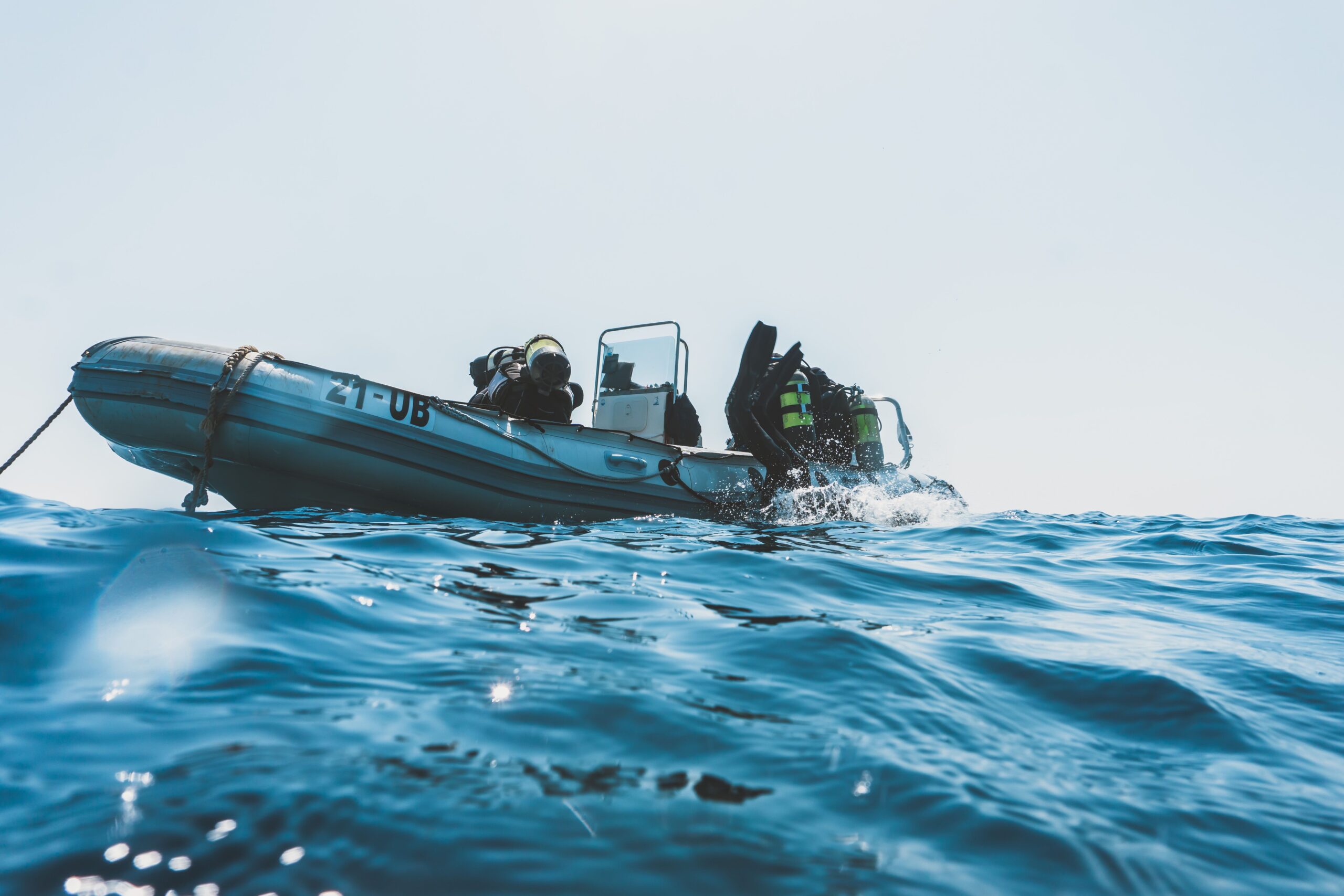
معايير المعدات: الأنظمة المزودة بالهواء من السطح، والأقنعة أو الخوذات ذات الوجه الكامل، وأنظمة الاتصالات، وتجهيزات الغواص الاحتياطي إلزامية لمعظم العمليات التجارية. تكوينات الغوص المستقل (سكوبا) مقيدة بشدة.
اللياقة الطبية يجب أن يكون كل غواص حاصلاً على شهادة صحة مهنية G31 سارية المفعول — وهي عبارة عن فحص طبي متخصص مخصص للغواصين المحترفين، وقابلة للتجديد على فترات زمنية محددة.
توثيق يجب الاحتفاظ بسجل غوص لكل عملية، بالإضافة إلى تقييم مخاطر خاص بالموقع وخطة طوارئ مكتوبة.
من المهم أن يُستكمل قانون DGUV Vorschrift 40 بـ لوائح DGUV 103-005, ، الوثيقة التوجيهية الفنية التي حلت محل BGR 237 السابقة. معًا، يشكل هذان المستندان خط الأساس الكامل للامتثال للغوص التجاري في ألمانيا.
ماذا يعني ذلك بالنسبة لك كعميل
إن تكليف أعمال الغوص لا ينقل مسؤوليتك إلى المقاول. يضع قانون الصحة المهنية الألماني، قانون حماية العمل (Arbeitsschutzgesetz)، مسؤولية مشتركة على العميل للتحقق من أن أي مقاول يتم التعاقد معه يفي بالمعايير المطلوبة. في حالة وقوع حادث، يمكن أن تمتد المسؤولية إلى الطرف المكلف إذا لم يتم بذل العناية الواجبة.
قبل منح أي عقد غوص في ألمانيا، يجب عليك طلب ومراجعة:
- إثبات مؤهلات الغواصين لجميع الأفراد المعينين لمشروعكم
- شهادات G31 طبية صالحة لكل غواص
- دليل على المعدات المزودة بالهواء من السطح المطابقة لمعايير DGUV
- تقييم مخاطر خاص بالموقع مُعد مسبقًا
- خطة طوارئ وإنقاذ مكتوبة تشمل أقرب غرفة ضغط عالي
- تأمين المسؤولية التجارية الذي يغطي عمليات الغوص
هذا ليس مجرد إجراء بيروقراطي لوضع علامة في خانة. فهذه الوثائق هي دليلك على بذل العناية الواجبة — وحمايتك في حال حدوث أي مشكلة.
ما الذي تبحث عنه في مقاول غوص تجاري
بعد الامتثال الأساسي، تختلف جودة شركة المقاولات للغوص التجاري بشكل كبير. إليك ما يميز العمليات الاحترافية عن تلك التي تلبي الحد الأدنى فقط.
توثيق شفاف من البداية سيقدم المقاول الموثوق به وثائق الامتثال قبل بدء العمل، دون أن يُطلب منه مرتين. إذا كانت الشركة مترددة في مشاركة مؤهلات الغواصين، أو سجلات فحص المعدات، أو شهادات التأمين، فاعتبر ذلك علامة تحذير خطيرة.
تقييم المخاطر الحقيقي - وليس نموذجًا تتطلب DGUV Vorschrift 40 إجراء تقييم مخاطر خاص بالموقع لكل عملية. هذا يعني أن مشرف غوص مؤهل يجب أن يقيّم ظروف موقعك المحددة: جودة المياه، الرؤية، التيار، مخاطر الأماكن الضيقة، القرب من المنشآت العاملة، احتمالية التلوث. المستند العام المنسوخ من مشروع سابق لا يفي بالمعيار.
خبرة في مجال الصناعة يغطي الغوص التجاري مجموعة واسعة من البيئات - لكل منها مخاطره المميزة. يعمل المقاول ذو الخبرة في عمليات تفتيش البنية التحتية للموانئ في بيئة مخاطر مختلفة جوهريًا عن المقاول الذي يعمل داخل منشأة كيميائية أو هيكل شبكة مياه مضغوطة. خبرة القطاع المحدد مهمة.
توفير غواص احتياطي بموجب اللائحة رقم 40 الصادرة عن DGUV، يجب أن يتواجد غواص احتياطي — مجهز بالكامل وجاهز للدخول إلى الماء — أثناء العمليات. وهذا أمر غير قابل للتفاوض. وأي مقاول يقترح العمل بدون غواص احتياطي يكون غير ملتزم باللوائح.
التواصل الواضح وتنسيق المشاريع تتطلب عمليات الغوص التنسيق مع موقعك الأوسع: عزل التدفقات، وإيقاف عمليات المصانع المجاورة، وإدارة حركة السفن، وتقديم إحاطة لفريق السلامة الخاص بك. سيقوم المقاول المحترف بإدارة هذه العملية بشكل استباقي، وليس تفاعلي.
تطبيقات صناعية
الغوص التجاري بموجب اللائحة DGUV Vorschrift 40 ينطبق عبر مجموعة واسعة من القطاعات. تقدم TUF International خدمات غوص متوافقة بالكامل في جميع ما يلي:
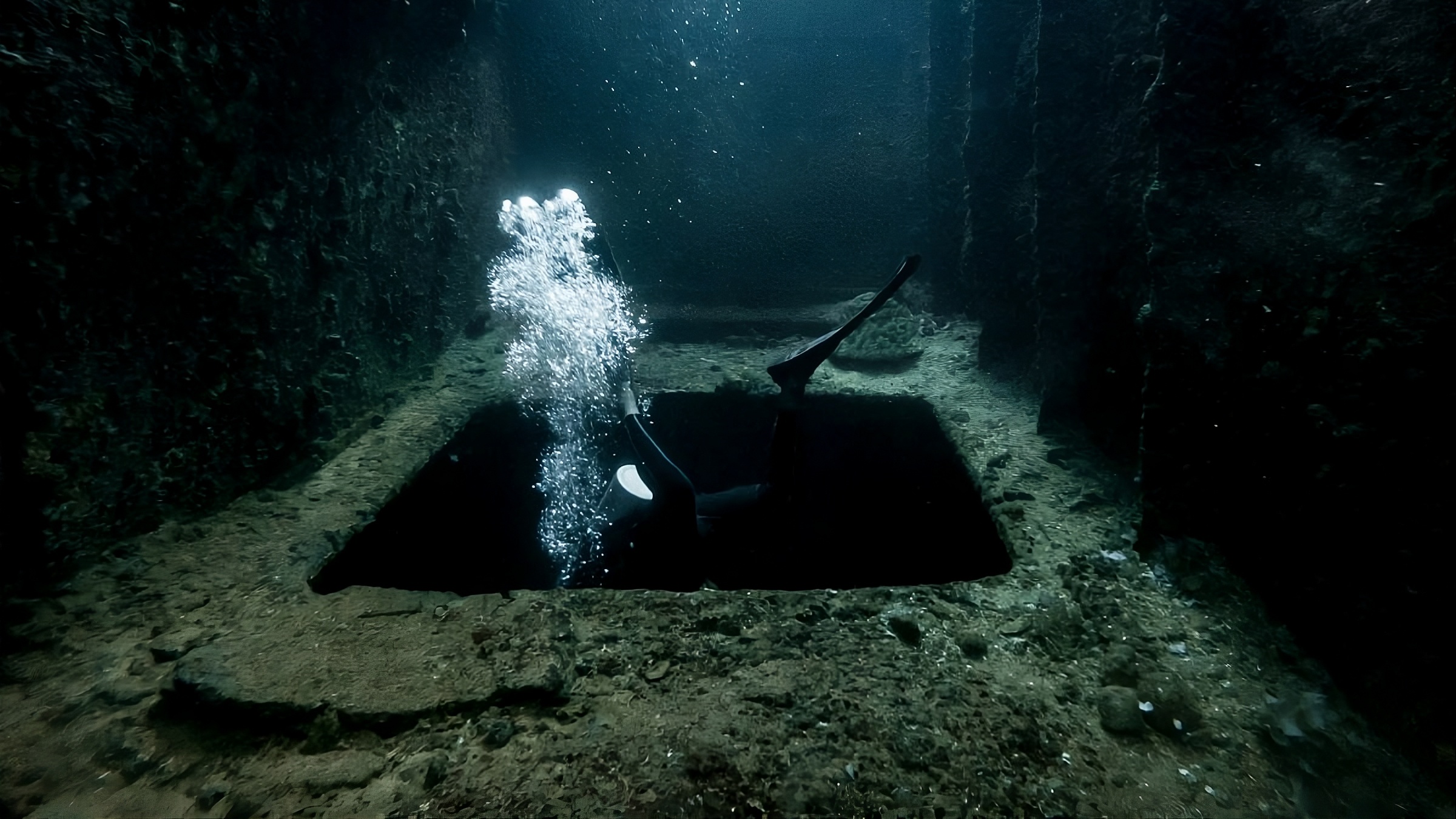
- الصناعة والطاقة بصفتها مقاول غوص بحري في قطاع الطاقة، تنفذ TUF أعمال الفحص والصيانة لمآخذ مياه التبريد، والبنية التحتية للتوربينات، وأنظمة المياه الصناعية. خدمات الغوص التجاري في قطاعي الصناعة والطاقة — TUF International
- الهندسة المدنية والبنية التحتية: بصفتها شركة مقاولات غوص هندسية مدنية، تقوم TUF بإجراء الفحص تحت الماء للجسور، وأكوام الألواح، والأساسات، والهياكل البحرية خدمات الغوص في الهندسة المدنية والبنية التحتية — TUF International
- المرافق الكيميائية عمليات الغوص في ظروف التلوث مع ضوابط الصحة والسلامة والبيئة الكاملة، وفحص الخزانات، وبروتوكولات البيئات الخطرة خدمات الغوص تحت الماء في المنشآت الكيميائية — TUF International

- مرافق المياه والصرف الصحي: خدمات الغوص في خطوط أنابيب مرافق المياه بما في ذلك الفحص أثناء الخدمة لمحطات المعالجة والخزانات وخطوط الضغط ومحطات الضخ خدمات الغوص للمرافق المائية والصرف الصحي — TUF International
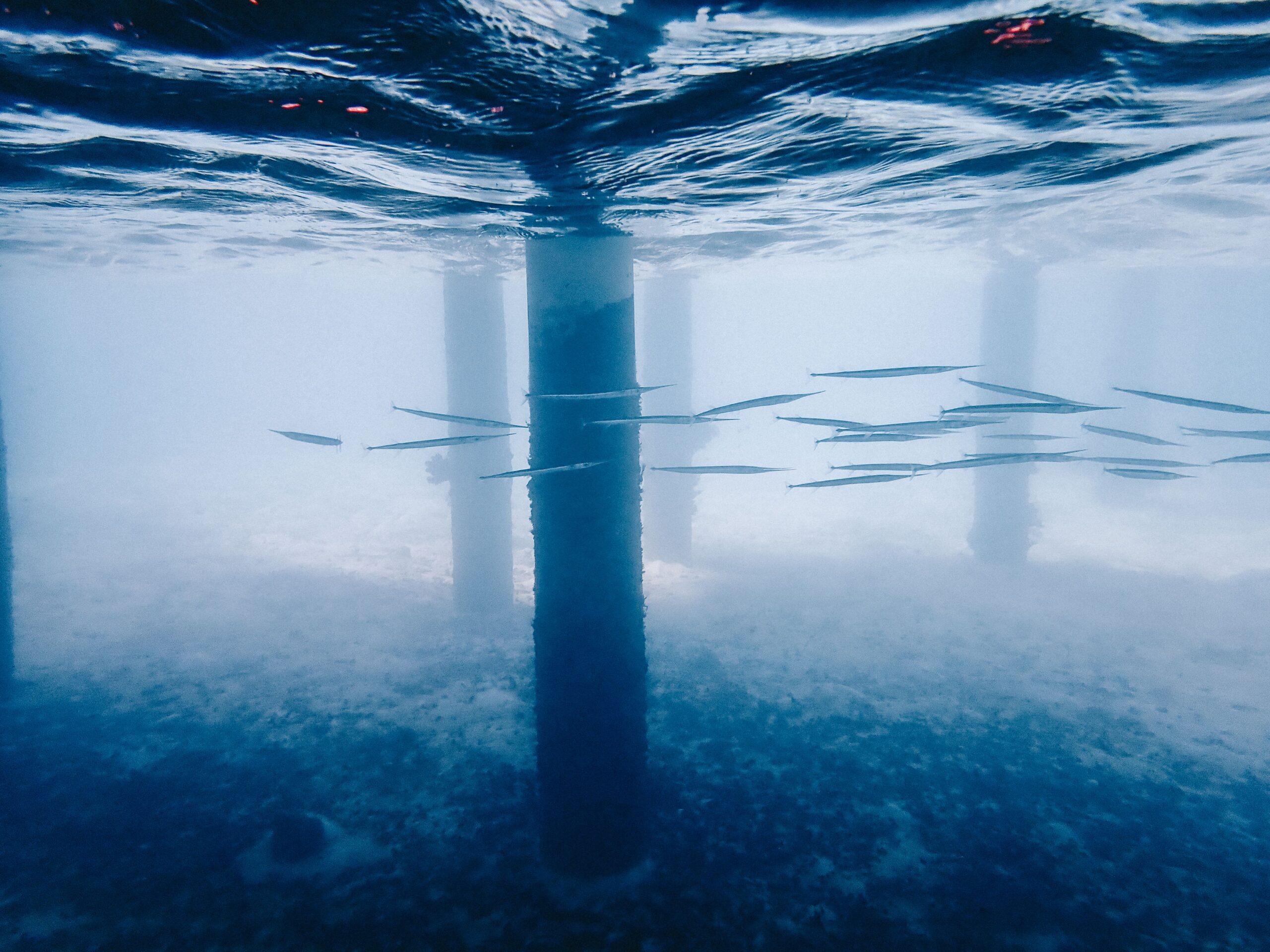


- الموانئ والمرافئ أعمال تحت الماء على جدران الأرصفة، والأعمدة، وبوابات الهويس، والبنية التحتية للميناء خدمات الغوص في إنشاء الموانئ والمرافئ — TUF International
الخلاصة
تصدرت لوائح الغوص التجاري في ألمانيا بسبب العواقب الوخيمة لعدم الامتثال - للعاملين وللمنظمات التي تكلفهم بأعمالهم. DGUV Vorschrift 40 ليس مجرد توجيه؛ بل هو قانون.
اختيار متعاقد يلتزم بمتطلباته الكاملة يحمي مشروعك، ووضعك القانوني، والأشخاص الذين يقومون بالعمل. تعمل TUF International بالكامل وفقًا لـ DGUV Vorschrift 40 و DGUV Regel 103-005 عبر جميع القطاعات وأنواع المشاريع.
إذا كان لديك مشروع قادم يتطلب غوصًا تجاريًا في ألمانيا،, اتصل بتوف إنترناشيونال للحصول على استشارة مجانية.