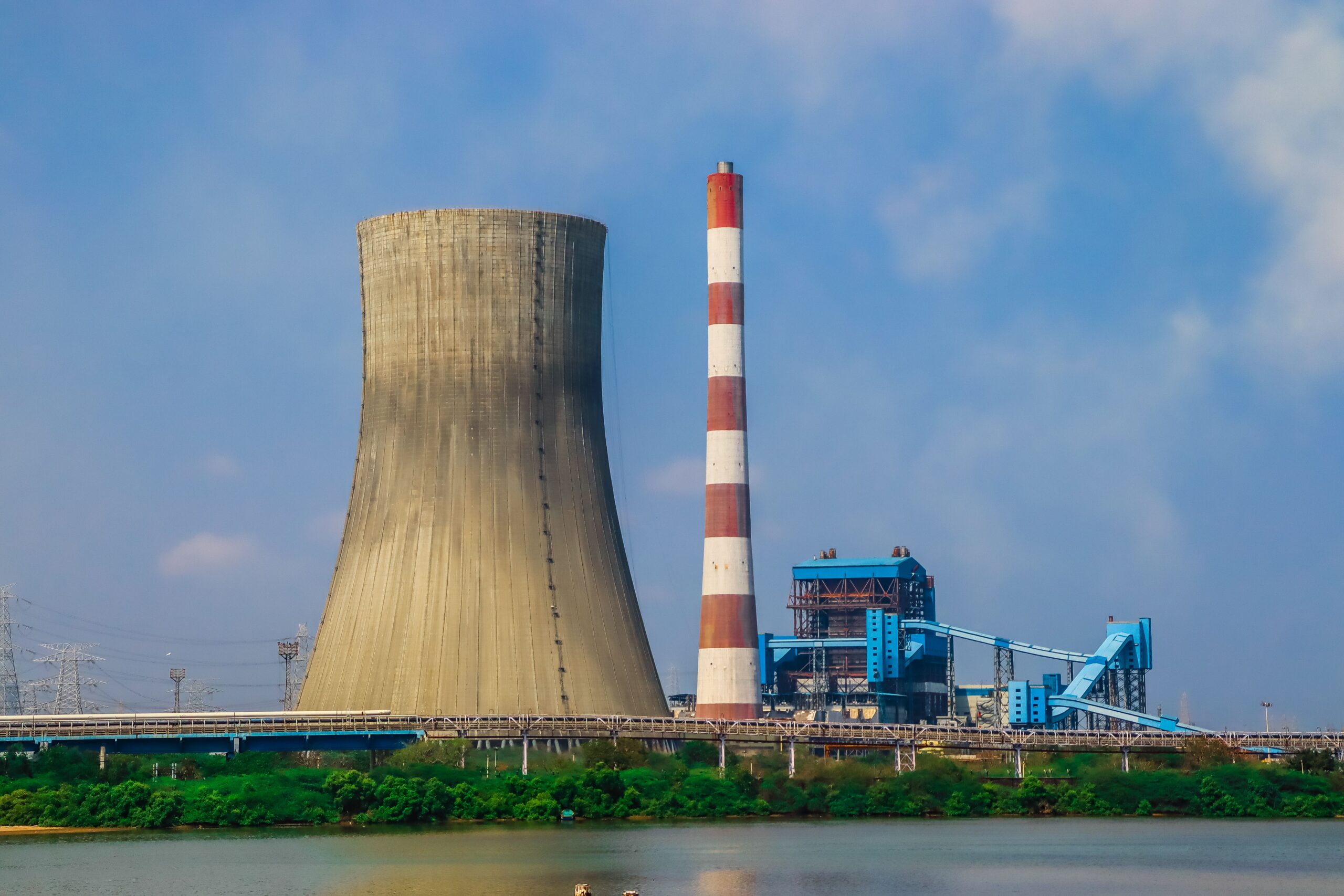
电厂冷却水取水口潜水:检测与维护要点
每一座从河流、运河或水库取用冷却水的电厂,都依赖一处几乎无人能亲眼见到的取水结构。拦污栅、取水格栅、涵洞和排水渠长期处于水下,其状态直接影响电厂运行效率、环保合规以及计划外停机的风险。电厂冷却水取水口潜水让电厂运营方能够在不排空取水口、也不中断电厂所依赖的冷却循环的情况下完成检测与维护。对于负责此类设施的工程与维护团队而言,了解合格检测应涵盖的范围,以及哪些维护工作可以在水下切实完成,有助于同时避免不必要的停机和被忽视的隐患。
为何冷却水取水口潜水是一项专门技术
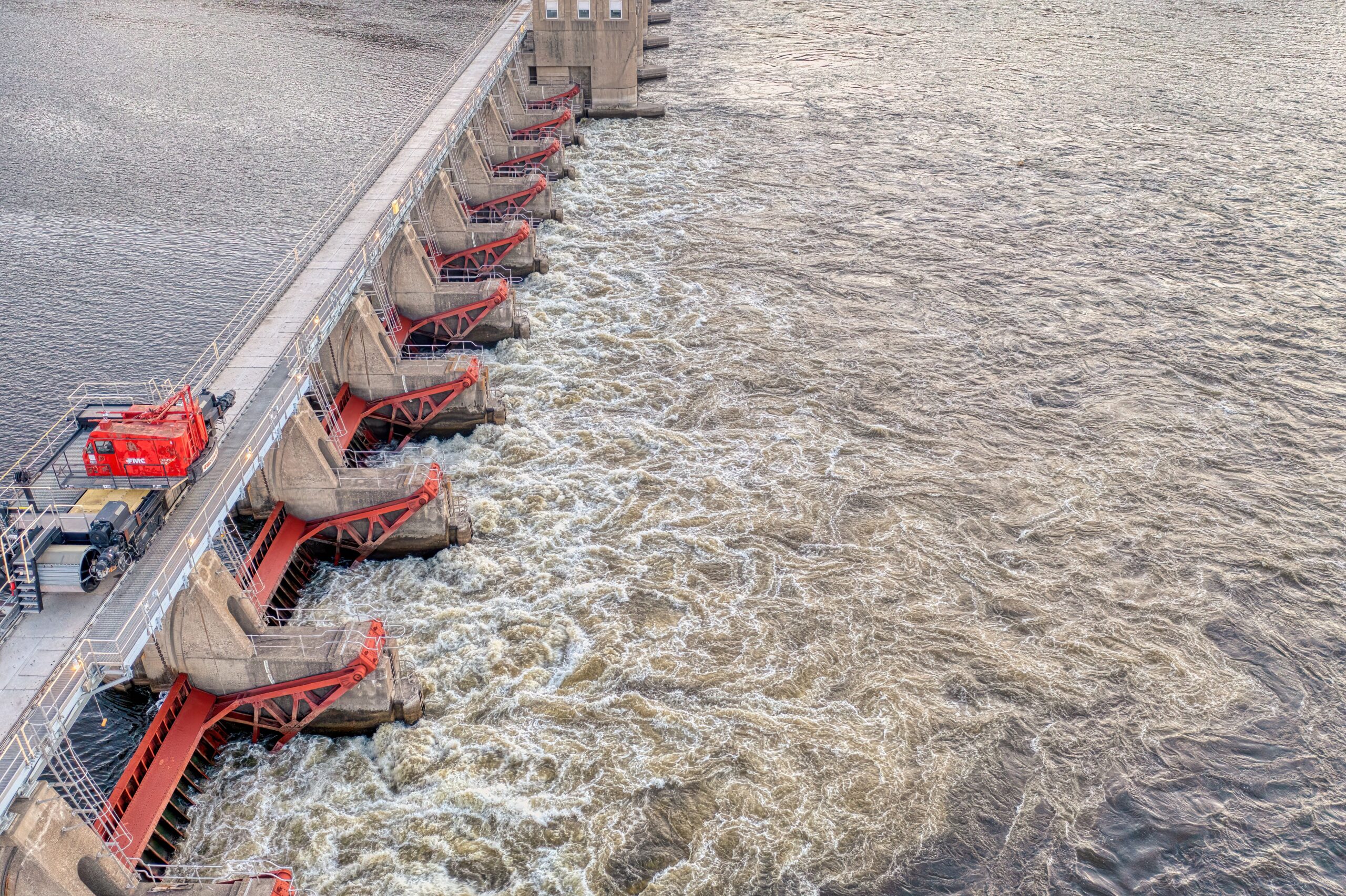
Cooling water intake structures face a specific combination of operating conditions that most general underwater work does not. Continuous flow through the intake can create strong currents directly at the point divers need to work, trash racks and screens accumulate biological growth and debris that must be cleared without damaging the structure, and intake culverts are frequently narrow, low-visibility spaces that demand controlled, methodical search techniques.
On top of that, most of this work has to happen while the plant continues operating, which means the dive team must coordinate closely with plant control staff and work around systems that cannot simply be switched off for convenience. Divers working on live industrial sites also need to follow the plant’s own permit-to-work and lockout procedures, which adds a layer of coordination that general commercial diving contractors do not always have experience managing.
检测与维护包含哪些内容
A typical scope for power plant cooling water intake diving includes trash rack and screen condition surveys, debris and biofouling removal from intake structures, culvert and tunnel inspection using diver video and still photography, corrosion assessment on steel trash racks, gates and support structures, and sediment depth checks that can affect intake flow capacity over time. Where damage or heavy fouling is found, many of these issues can be addressed directly by the same dive team, such as clearing blocked screens or carrying out localised repairs, rather than requiring a separate contractor mobilisation once the inspection is complete.
为何延迟维护的代价比看起来更高
取水结构的维护延迟,通常首先表现为电厂效率下降,而不是明显的故障。部分堵塞的拦污栅会增加取水口的压力损失,从而减少冷却水流量,长期来看既可能影响电厂出力,也可能增加泵送能耗成本。如果长期得不到处理,附着物或结构损坏还可能为更严重的计划外停机创造条件。由于这些影响是逐步累积的,与其等到出现可量化的性能下降才采取行动,建立定期的水下检测计划能够防止与取水口相关的损失变成维护预算中反复出现的一项开支。
在这类项目中,检测记录的重要性不亚于潜水作业本身。工程团队需要将检测结果与具体结构部件对应,并与此前的检测数据进行比较,这样泥沙淤积上升或腐蚀加剧等渐进趋势才能在问题出现之前、而不是之后被及时发现。一家始终采用相同参照点和状态评级标准、持续记录每次检测的承包商,能够让电厂在数年间追踪设施状态,而不是把每次作业都当作孤立事件。
评估潜水承包商时,电厂工程人员应关注那些在工业和能源设施方面有记录在案经验的团队,因为在运行中的设施安全作业需要一般商业潜水承包商未必具备的协调规程。同时也值得确认,该承包商是否能在同一次调动中同时完成检测与后续整改工作,因为将这两项工作拆分给不同承包商通常只会增加成本和延误,却带不来任何额外价值。
应用领域 — 我们的业务范围
TUF International supports inspection and maintenance diving across infrastructure sectors including power plant cooling water intake diving and process water diving for industrial and energy sector clients through our 工业与能源潜水服务, structural condition surveys and repair support for bridges, dams and waterway structures through our 土木工程潜水承包服务, intake and outfall inspection work through our 水务管道潜水服务, quay wall, berth and navigation structure surveys via our 港口潜水服务, and tank, pipework and containment diving through our 化工设施潜水服务.
结语
一处冷却水取水口的可靠程度,取决于水线以下那座结构本身,而这座结构无法仅从水面进行评估。定期的电厂冷却水取水口潜水能让拦污栅、格栅和涵洞保持畅通,并为工程团队提供在小问题演变为电厂效率问题之前所需的状态数据。如需探讨您设施的检测或维护方案, 欢迎联系TUF International获取无义务咨询.