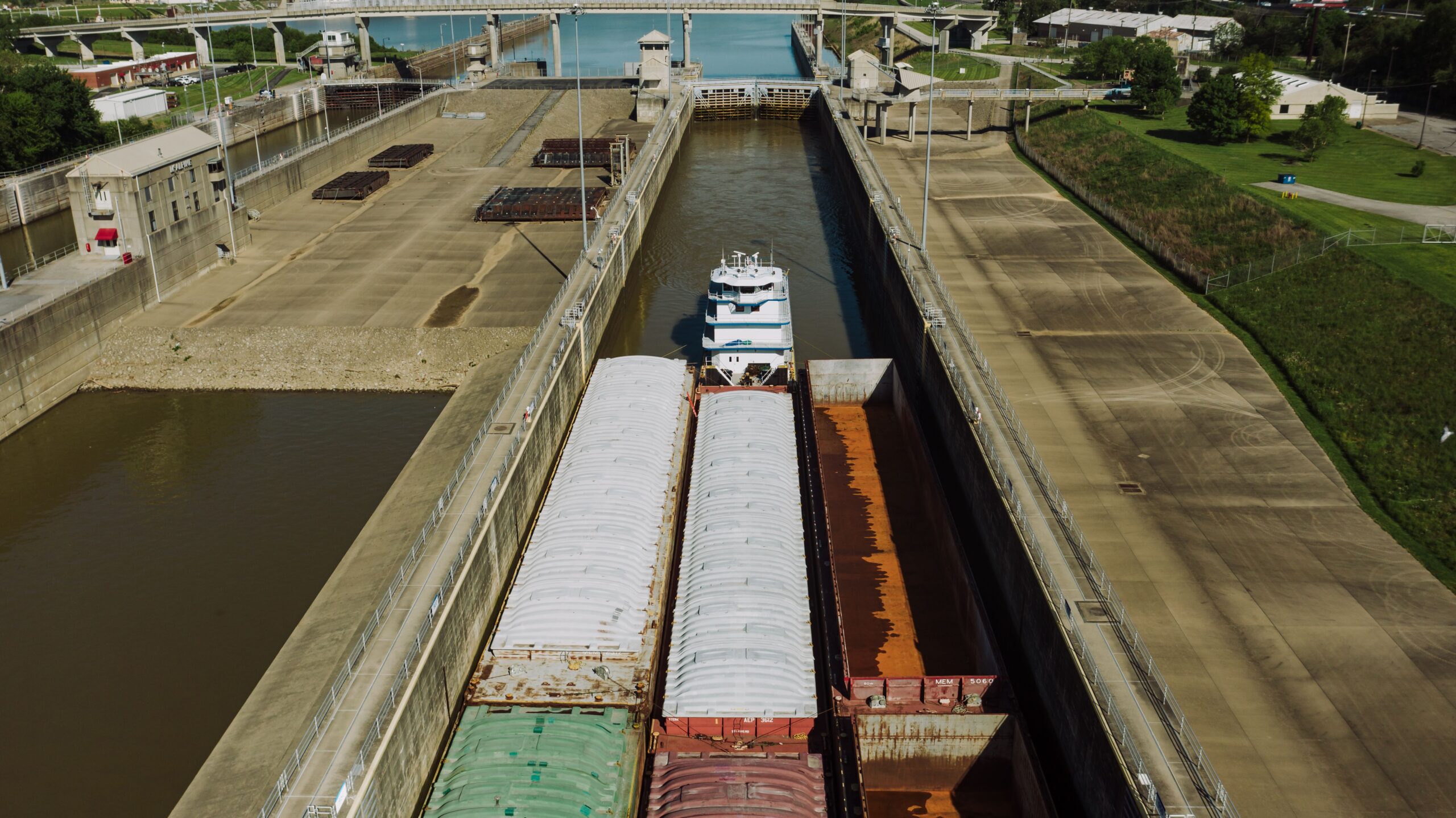
Canal and Lock Gate Diving Maintenance for Germany’s Inland Waterways
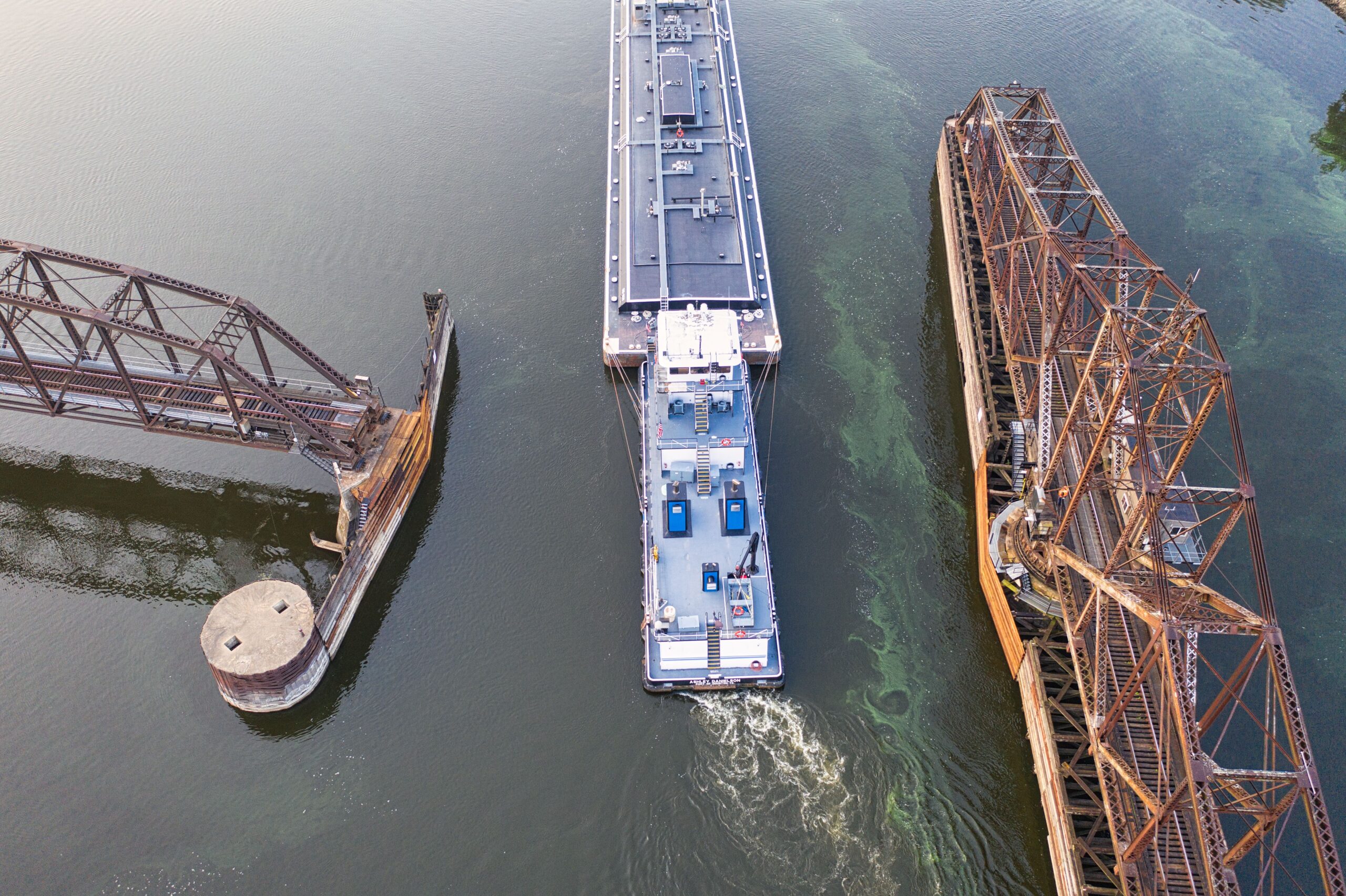
Germany’s inland waterway network moves a significant share of the country’s industrial freight, and almost none of that depends on open rivers alone. Locks, weirs and canal sections carry barge traffic across elevation changes and between river systems, and every one of those structures has underwater components that cannot be maintained from the bank. Lock and canal diving services are what keep gates, sills, fenders and lock chambers functioning without taking the waterway out of service for weeks at a time. For operators and civil engineers responsible for this infrastructure, understanding what underwater maintenance actually involves helps in planning realistic inspection cycles and budgeting for the right contractor.
德国内河航道为何依赖水下维护
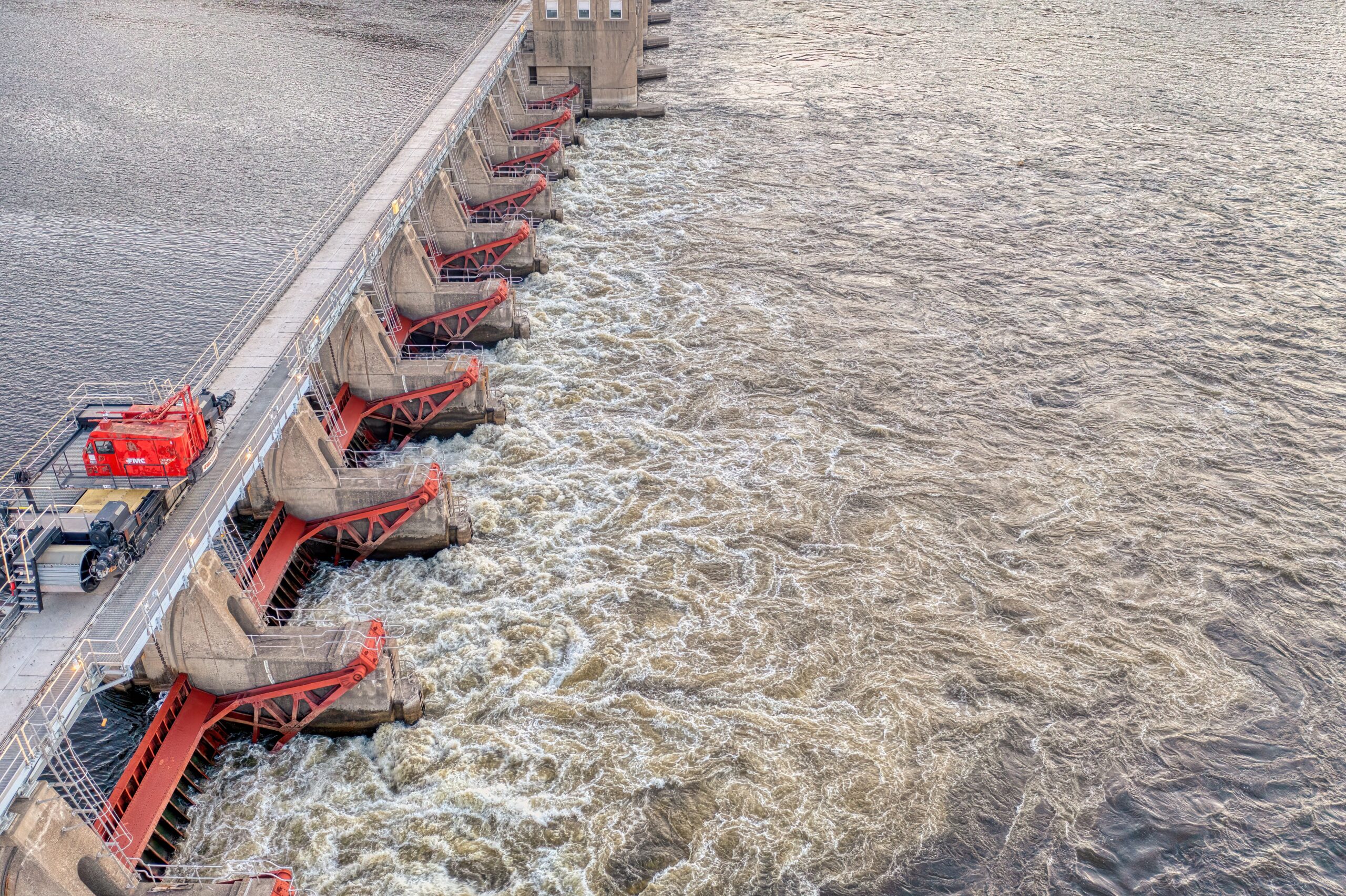
船闸是一种机械活动结构,每次船舶通过时,其水线以下部分都会承受磨损。闸门密封件会逐渐磨损,门槛处会积聚泥沙和杂物,液压部件也可能因船舶触底或碰撞而受损。运河段本身同样需要对护岸、涵洞以及水下管线交叉处进行定期状态检查。由于船闸通常无法在不严重干扰货运的情况下完全排空,船闸作业潜水员成为在不停航的情况下评估和维护这些部件的唯一可行方式,尤其是在那些全年大部分时间都接近通行能力上限运行的航道上。
船闸和运河潜水服务包含哪些内容
实际上,这与任何船闸作业潜水检测的核心范围相同:闸门密封件、门槛、闸室墙体以及维持船闸运转的机械设备。对于着眼长远规划的航道运营方而言,真正重要的不是检测清单本身,而是这项工作如何融入更广泛的资产管理方案,而这正是下文将要探讨的真正挑战。
船闸和运河特有的维护挑战
Locks and canals present a distinct set of operational challenges compared with open-water diving. Visibility is frequently poor due to sediment disturbance from vessel traffic, currents through gate openings can be strong and unpredictable, and divers often work in confined spaces between gate leaves or around mechanical gear that must remain isolated during the dive.
Scheduling is also tighter than on most infrastructure projects, since lock operators want inspection windows that minimise disruption to commercial traffic, which usually means working around a live operating schedule rather than a full shutdown. A contractor unfamiliar with lock environments can both underestimate the time required and create safety risks around energised or pressurised systems that a specialist team would isolate as standard practice before any diver enters the water.
德国的运河网络部分已经老化,许多结构建于数十年前,如今承载的通行量远超最初设计标准。这种情况使得持续的水下监测变得更加重要,因为磨损的闸门密封件或门槛处逐渐形成的冲刷坑,如果在检测周期之间未被发现,就可能升级为计划外的停航。相较于仅在缺陷出现后才进行反应式处置,建立结构化的年度或两年一次的潜水检测计划,能让运营方在维护预算和停运规划方面拥有更大的掌控力,并为工程团队提供用于长期资产管理决策的状态记录历史。
在为此类工作选择潜水承包商时,运营方应关注既具备水工工程潜水经验、又在实际运营的船闸和运河环境中积累过具体经验的团队,因为这两者并不能相互替代。承包商能否配合正常运行的通行计划、能否安全隔离机械系统、能否提供对照结构图纸标注的检测数据,其重要性不亚于一般潜水能力本身。
应用领域 — 我们的业务范围
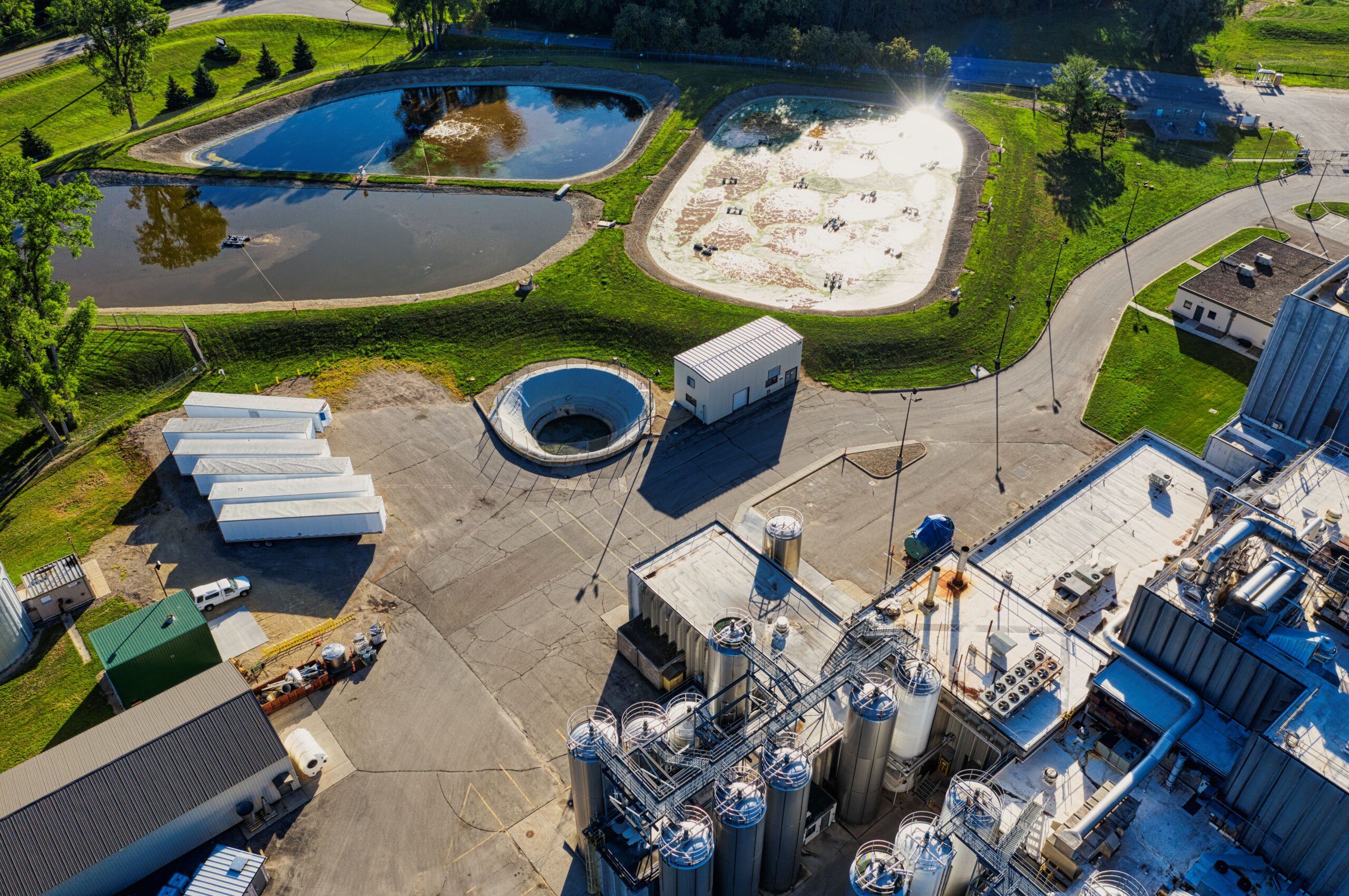
TUF International 在多个基础设施领域提供检测与维护潜水服务,包括通过我们的土木工程潜水承包服务为桥梁、堰坝、船闸和水工结构提供状态检测与维修支持,通过我们的水务管道潜水服务开展进水口和排水口检测,通过我们的港口潜水服务进行码头和航运结构勘查,通过我们的化工设施潜水服务开展储罐与管道潜水作业,以及通过我们的工业与能源潜水服务提供冷却水和工艺用水潜水服务。 土木工程潜水承包服务, intake and outfall inspection work through our 水务管道潜水服务, quay wall, berth and navigation structure surveys via our 港口潜水服务, tank, pipework and containment diving through our 化工设施潜水服务, and cooling water and process water diving under our 工业与能源潜水服务.
结语
德国船闸和运河的正常运转,依赖于发生在水面之下的维护工作,而这类问题往往在变得代价高昂之前很容易被忽略。一套结构化的船闸和运河潜水服务计划能够及早发现这些问题,让货运保持畅通。如需探讨您的航道基础设施检测或维护方案, 欢迎联系TUF International获取无义务咨询.